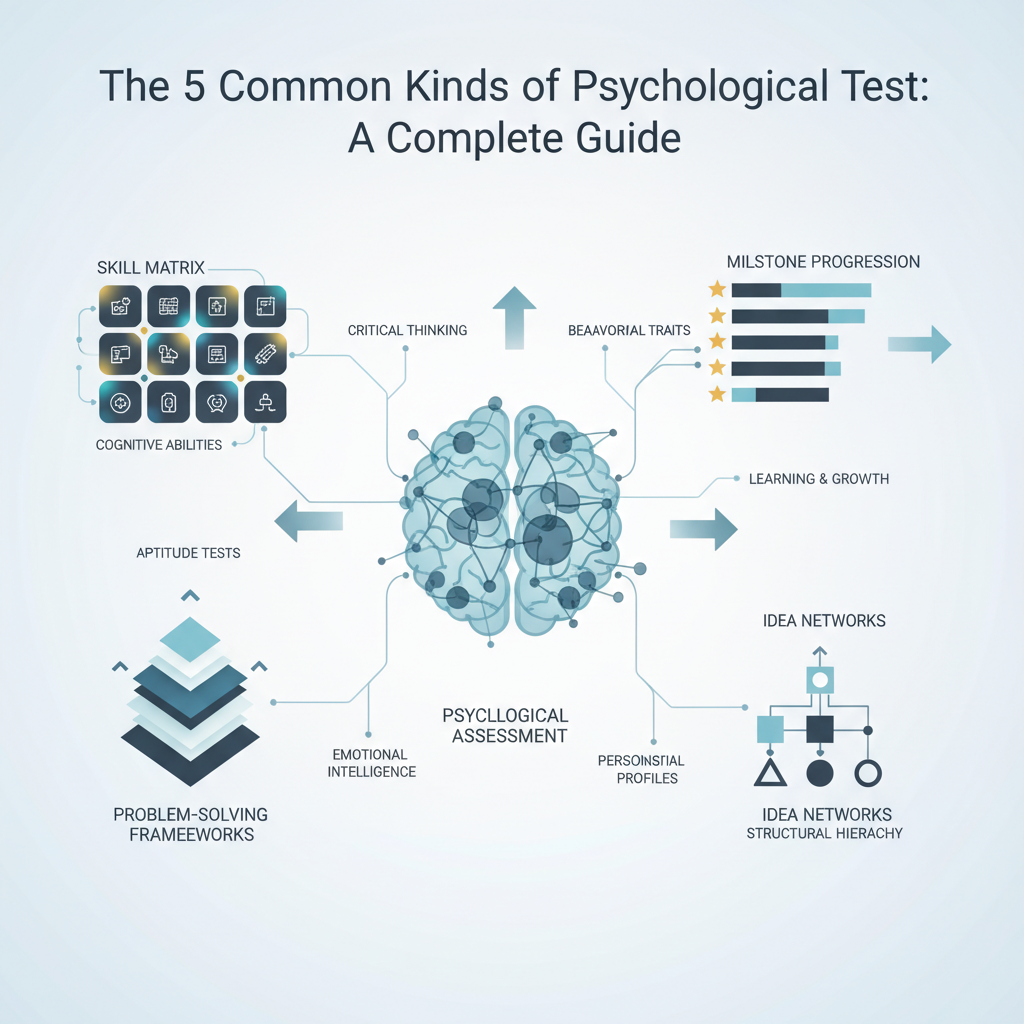
Psychological tests are standardized tools designed to measure behavior, personality, and cognitive abilities. The main kinds include intelligence tests (measuring IQ), personality tests (assessing traits), clinical tests (diagnosing mental health conditions), neuropsychological tests (evaluating brain function), and creativity tests (assessing innovative thinking styles).
Do you ever wonder what guides your choices, shapes your personality, or sparks your best ideas? Getting to know yourself is a journey, and helpful tools like psychological tests can guide you. These aren’t abstract concepts; they’re science-based assessments that offer real insight into how your mind works. This guide will explain five common types of psychological tests, showing what they measure and how they can highlight your unique strengths.
Taking these tests isn’t about getting a label—it’s about gaining a deeper understanding of yourself. Whether you’re curious about your intelligence, personality, or creative style, each test provides a different view. You can use these insights to create practical steps for personal and professional growth. This helps you improve your problem-solving skills and get a clearer picture of how you think.
Among these tools, creativity assessments like the Creative Ability Test are especially useful. They measure your potential for original ideas, your mental flexibility, your ability to brainstorm (divergent thinking), and your openness to new experiences. For anyone looking to build confidence and apply creative thinking to real life, understanding these tests is a key step toward a more inventive future.
What Are Psychological Tests and Why Do They Matter?
Psychological tests are powerful tools that show us how our minds work. Essentially, they are standardized measures used to understand a person’s thoughts and actions.
They can explore many areas, such as intelligence, personality traits, emotional states, and specific skills. These tests help us understand how you think and create. For instance, some measure your problem-solving style, while others can reveal your ability to think in new ways.
Why are these tests so important? They provide clear, data-driven insights that go beyond your own perceptions. They offer a better picture of your natural talents and learned skills. Ultimately, knowing yourself is the first step toward personal growth.
Unlocking Self-Awareness and Potential
Psychological tests are not just for specialists. They are valuable for anyone who wants to improve. They provide a structured way to understand yourself, which helps you make better decisions about your life and career. For example, knowing your creative strengths can guide you toward more fulfilling work.
Moreover, these tests are based on scientific research. Psychologists and researchers develop them using careful methods to ensure they are accurate and reliable. Because of this, the results offer a trustworthy starting point for self-discovery.
Here are key reasons why psychological tests are so significant:
- Enhance Self-Understanding: They reveal hidden strengths and areas for improvement, leading to greater self-awareness.
- Guide Personal Growth: Insights from tests can help you create a personal development plan and target specific skills to improve.
- Support Professional Development: Understanding your natural abilities helps with career planning and can boost performance in your current role.
- Improve Problem-Solving: By understanding your thinking style, you can tackle challenges more effectively. Creative thinking tests are especially helpful for this.
- Foster Innovation Skills: Tests can highlight your ability to come up with many different ideas, which is key for developing new solutions.
At Creative Ability Test, we focus on empowering you. Our science-backed assessment helps you measure your creative potential. We provide personalized feedback to help you understand your unique thinking style. This gives you practical strategies to grow your creativity. Our platform turns uncertainty into clear self-awareness and guides you toward steady growth. You can then apply your creativity to solve real-world problems and innovate.
What are the 4 main types of psychological tests?
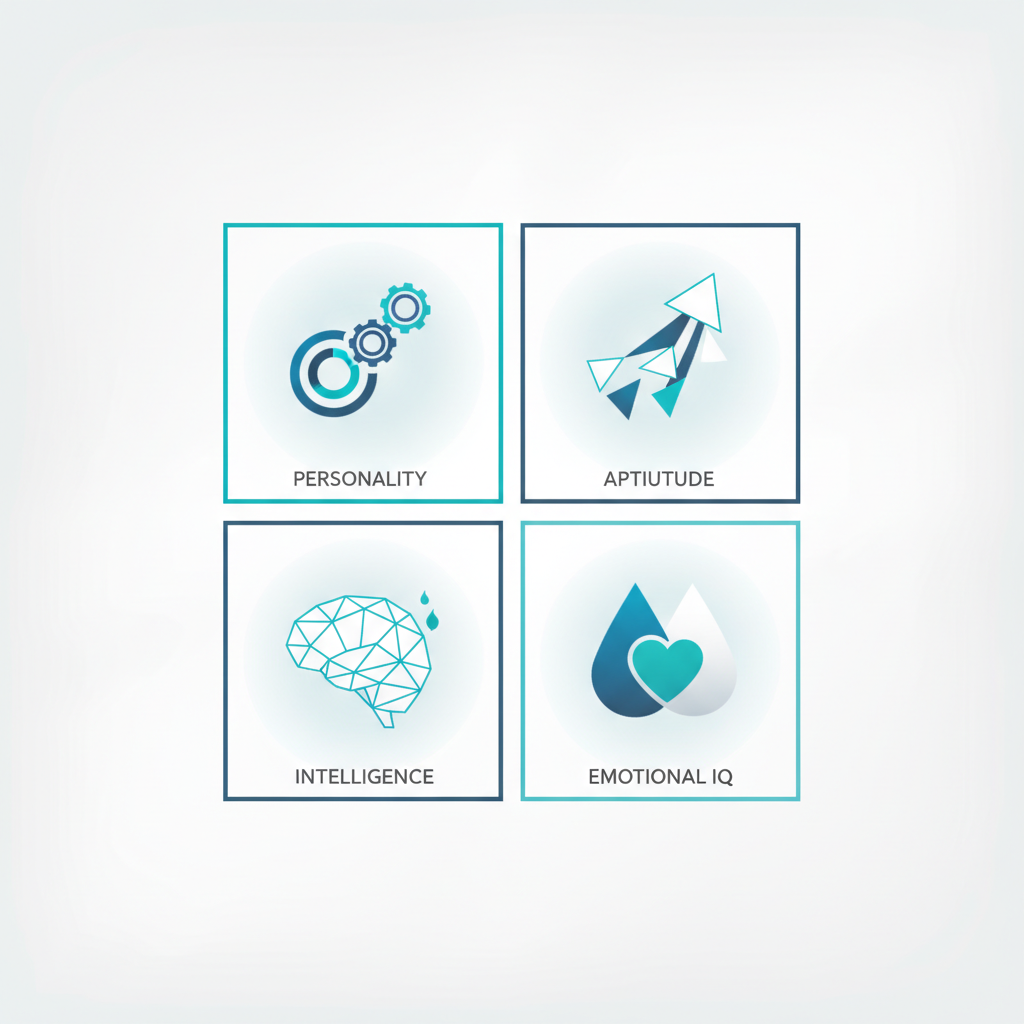
Psychological tests are powerful tools for understanding yourself. They show how you think, feel, and act. Learning about these tests can help you discover your strengths and find new ways to grow.
Each test has a specific goal. Together, they create a full picture of who you are. This can show you what you’re good at and where you can improve.
1. Intelligence & Aptitude Tests
Intelligence and aptitude tests measure how you think. They check your ability to learn and succeed. These tests don’t just look at what you already know. Instead, they focus on your reasoning and problem-solving skills.
Common examples include IQ tests and tests for specific skills like verbal reasoning, math, or spatial awareness. These tests measure your core thinking skills. Creativity uses these skills but is something more. It requires a type of flexible thinking that goes beyond basic intelligence. [1]
Knowing your aptitudes shows you how you think and solve problems. It helps you find your natural talents. This is a great first step to building new skills.
2. Personality tests
Personality tests explore your unique traits. They show your typical patterns of thinking, feeling, and behaving. These tests give you a look into how you interact with the world, what motivates you, and how you relate to others.
Famous examples include the Big Five personality traits (Openness, Conscientiousness, Extraversion, Agreeableness, and Neuroticism) and the Myers-Briggs Type Indicator. Learning about your personality is very useful. It can help you see your strengths in a team and predict how you’ll handle stress or change.
When it comes to creativity, traits like ‘Openness to Experience’ are key. People who are open tend to enjoy new ideas and experiences. They often think outside the box and are open to new solutions. Understanding your personality can boost your creativity. It shows you what comes naturally and helps you find the right environment to be creative.
3. Clinical & Neuropsychological Tests
Clinical and neuropsychological tests are used for specific medical reasons. They help diagnose conditions like mental health disorders or learning disabilities. They can also check brain function after an injury or illness. These tests usually include detailed questionnaires and thinking exercises.
Examples include tests for depression or anxiety. Neuropsychological tests check skills like memory, attention, and planning. The main goal is to find a diagnosis and help create a treatment plan. For example, they can pinpoint specific thinking problems. Only trained professionals can give these tests, as they provide important information for patient care.
These tests are very important in medicine, but they are not for general self-improvement or boosting creativity. They are designed to solve specific health problems. While they help us understand brain health, they usually don’t measure or build creative skills.
4. Achievement & Creativity tests
Achievement tests measure what you have already learned. A common example is a standardized school exam, which checks your skills in subjects like math or reading.
Creativity tests measure a different skill set. They look at your ability to come up with new and original ideas. They also check how flexibly you can solve problems and your potential for new ways of thinking.
The Creative Ability Test is a great example. It is a 30-question, science-based test that measures different parts of creativity, like flexible and original thinking. After the test, our platform gives you personal feedback and practical tips. This helps you understand your thinking style and shows you how to become more creative. By finding your creative strengths, you can use them to solve real-world problems. This helps you grow both personally and professionally.
How Can Understanding Test Types Benefit Your Growth?
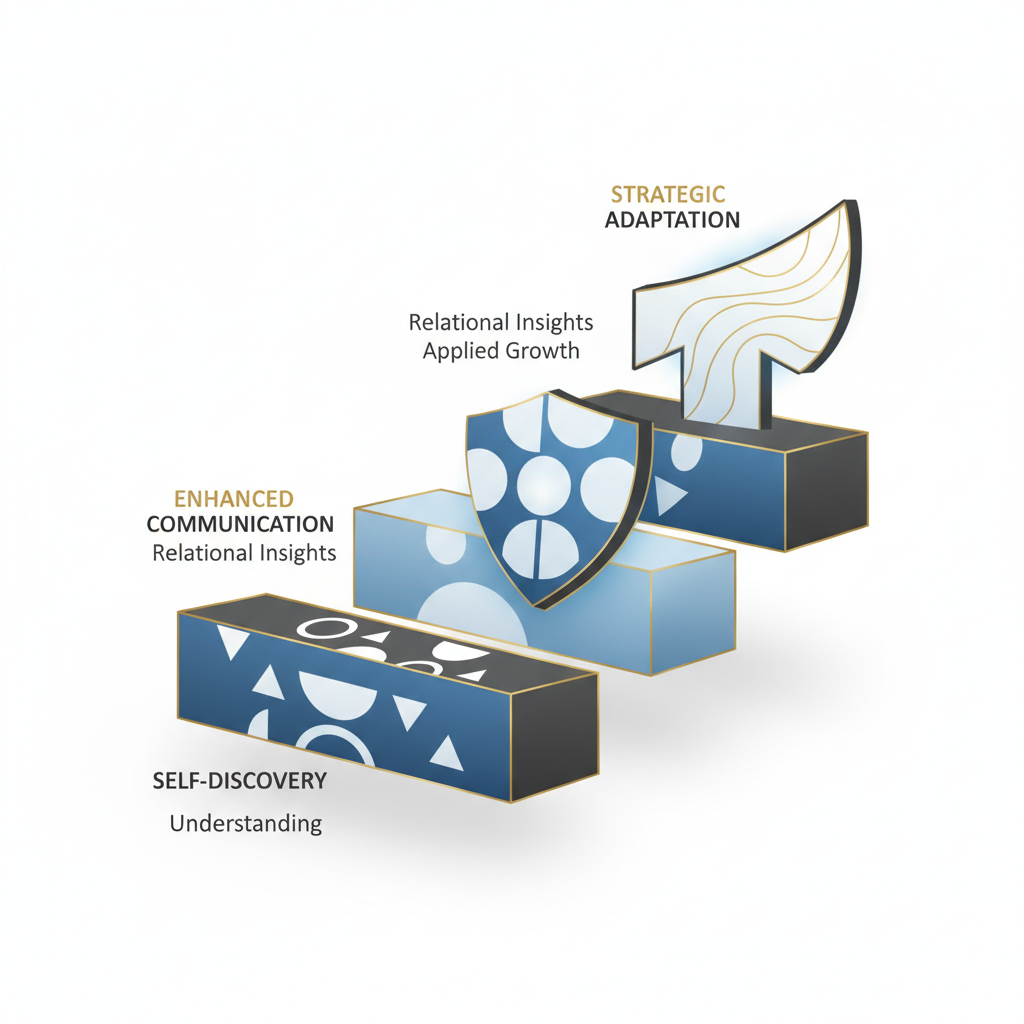
Identifying Your Strengths
Psychological tests can help you find your unique strengths. These tests offer a clear look at your natural talents. They can show you skills you might not even know you have. For example, you might find you’re good at critical thinking or have great problem-solving skills.
These tests show more than just the obvious talents. They look at things like your creative potential and how you handle new ideas. When you know your strengths, you can use them in all parts of your life. This knowledge is a great first step toward personal growth [2].
Our Creative Ability Test, for example, finds your specific creative strengths. It measures how you come up with ideas. It also looks at your ability to think in new ways. This personal insight is very helpful.
Gaining Self-Awareness
Psychological tests are a great way to become more self-aware. They give you a clear look at how your mind works. You can learn about your thinking style and understand your emotional responses better. This knowledge helps you see why you react to things the way you do.
Self-awareness is key to personal growth. It helps you understand your own creative process. Do you think better alone or in a group? Do you work best under pressure, or when you have plenty of time to think? Knowing these things helps you do your most creative work.
Being more self-aware also builds confidence. It helps you feel more sure of yourself and what to do next. You learn how your mind handles challenges. This deep understanding helps you truly grow as a person [3].
Navigating Personal and Professional Development
What you learn from psychological tests is very useful for your life and career. Knowing your strengths and thinking style helps you make better decisions. You can choose a career that fits your natural talents. You can also find training that will really help you grow.
For example, if a test shows you’re good at coming up with lots of new ideas, you might enjoy a job that requires innovation. If you can adapt your thinking easily, you’ll find it easier to handle new challenges. This knowledge can change how you solve problems and help you use your creativity in practical ways.
The Creative Ability Test gives you personal feedback and practical tips just for you. This helps you turn your creative ideas into real skills. It gives you a clear plan for improvement. You can move from being creative once in a while to having a strategy to improve all the time [4].
Where Does a Creativity Test Fit In?
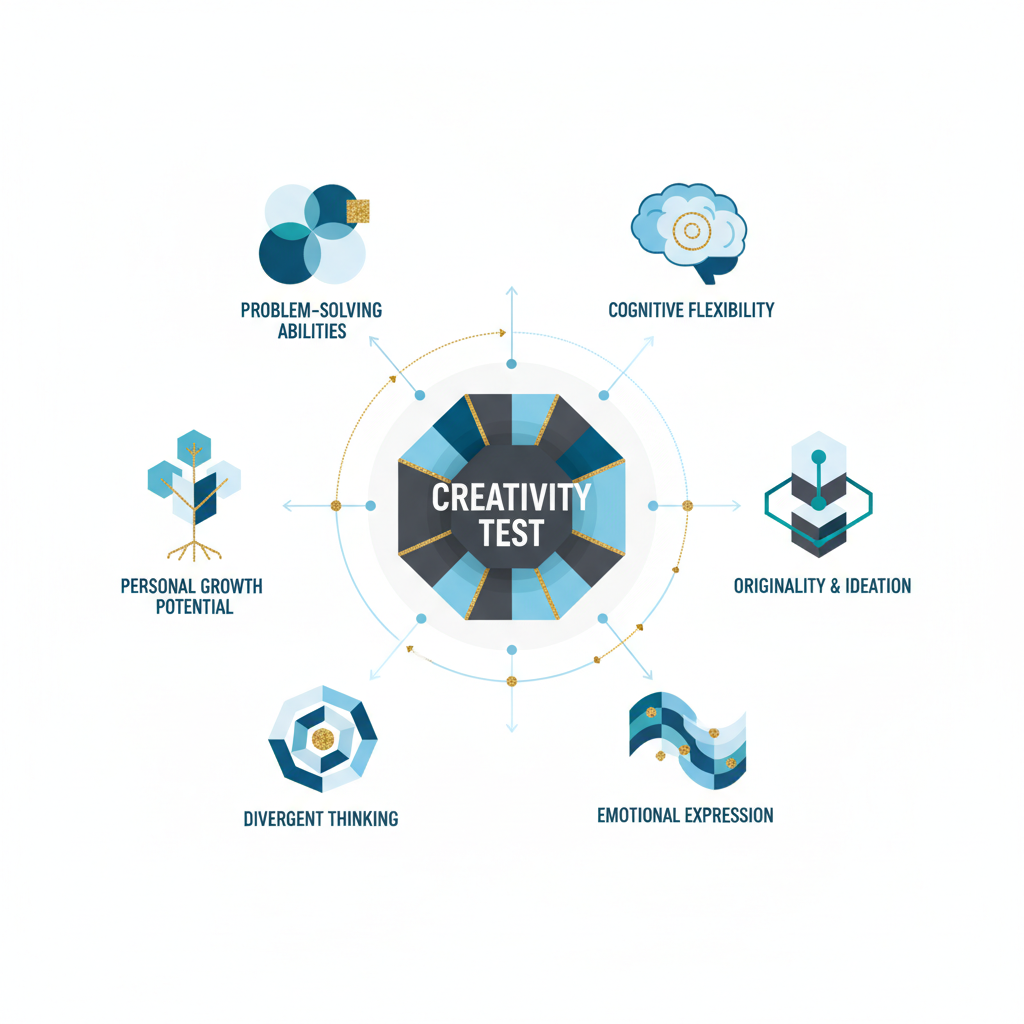
Measuring Your Creative Potential
Most psychological tests measure things like intelligence or personality. A creativity test is different. It measures your natural ability to be creative. Instead of looking at what you already know, it sees how you come up with new ideas and solve problems in fresh ways.
Our Creative Ability Test uses a proven scientific method. It measures different parts of your creativity, like your ability to think in many different directions and your mental flexibility [5]. Understanding these areas gives you a clear picture of your creative strengths. You get useful tips for your personal and professional growth.
The assessment helps identify:
- Your ability to think of original ideas.
- How easily you can brainstorm many different ideas.
- Your skill in adapting to new situations.
- How open you are to new experiences.
Ultimately, a creativity test helps you clearly understand your creative skills. It shows you what makes your creative mind special.
Understanding Your Unique Thinking Style
Creativity isn’t just one thing. It’s a mix of different thinking styles, and our test shows you your unique combination. For example, some people are great at “divergent thinking.” This is the skill of finding many different solutions to one problem [6]. Others are strong in “associative thinking,” which is connecting ideas that seem unrelated.
Knowing your unique thinking style is powerful. It helps you understand:
- Why you approach challenges in a particular way.
- Which types of creative tasks energize you most.
- How to use your natural strengths.
- How to get better in weaker areas.
For example, if you have strong mental flexibility, you can easily change how you look at things. This is great for solving tough problems. On the other hand, knowing a weakness helps you find exercises to improve it. This personal feedback turns a simple test into practical knowledge about yourself.
Turning Insights into Action
The real value of a creativity test is what you can do with the results. Our platform doesn’t just give you a score. It gives you personal feedback and useful strategies to help you improve your creative thinking and problem-solving skills right away.
We show you how to use what you learn. This helps you turn occasional creative moments into a clear plan for growth. For example, if your test shows a need to improve divergent thinking, we might suggest brainstorming exercises. If you need to be more original, we can offer ways to challenge your usual assumptions.
Practical strategies you might explore include:
- Mind-mapping for idea generation.
- “SCAMPER” method for innovation.
- Practicing lateral thinking puzzles.
- Engaging in regular creative journaling.
These strategies help you use your creativity in real-life situations, for personal growth or professional development. As a result, you’ll go from a basic understanding of creativity to confidently using it to solve everyday problems and drive innovation.
Frequently Asked Questions
What are some psychological testing examples?
Psychological tests give you useful information about your mind. They can show you your mental strengths, personality traits, and creative skills. Here are a few common types of psychological tests:
-
Intelligence and Aptitude Tests: These look at your thinking skills and specific talents. The Wechsler Adult Intelligence Scale (WAIS) is a well-known example that measures general intelligence [7]. These tests help you understand how you learn and solve problems.
-
Personality Tests: These explore your usual ways of thinking, feeling, and behaving. The Minnesota Multiphasic Personality Inventory (MMPI) is a common tool in this area [8]. Understanding your personality helps you know yourself better and improve how you relate to others.
-
Clinical and Neuropsychological Tests: These check for mental health conditions or issues with brain function. For example, they might look at your memory, attention, or planning skills. These tests are often used by doctors or therapists.
-
Achievement and Creativity Tests: Achievement tests measure what you have learned or the skills you have. Creativity tests, like our Creative Ability Test, focus on your unique ways of thinking. They look at your ability to come up with new ideas, think flexibly, and stay open to new things. This knowledge helps you tap into your creative side and use it in your daily life.
Each type of test has a different goal. They offer different ways to see and understand yourself more clearly.
What are the uses of psychological test?
Psychological tests are used for many important reasons. They help people and professionals make better decisions. They also help you understand yourself and grow as a person.
Here are the key uses of psychological tests:
-
Self-Discovery and Personal Growth: Tests show your unique strengths and areas where you can improve. For example, a creativity test can point out your special ways of thinking. This knowledge helps you build on your natural talents.
-
Career Guidance and Professional Development: By understanding your skills and personality, you can choose a career path that fits you well. Tests can also show you what skills you need to advance in your job. They give you practical tips for improving your abilities and becoming a better leader.
-
Clinical Diagnosis and Treatment Planning: In therapy, tests help pinpoint specific mental health conditions. They guide therapists in creating treatment plans that work. This ensures you get care that is focused and right for you.
-
Educational Planning and Support: Tests can identify a student’s learning style or challenges in school. This helps teachers adjust their methods. As a result, students get the support they need to do well.
-
Research and Understanding Human Behavior: Psychologists use tests to study how people behave. This adds to what we know about the human mind. This research helps create better ways to support people.
In the end, psychological tests give you useful knowledge. They help you face challenges and seize opportunities with more clarity and confidence. What you learn can turn confusion into a clear understanding of yourself that you can act on.
What is the difference between psychological testing and assessment?
Many people use “testing” and “assessment” as if they mean the same thing. In psychology, however, they are different ideas. Knowing the difference makes it easier to understand how you can learn more about your mind.
Here’s a breakdown of each term:
-
Psychological Testing:
- Focus: This is the simple act of using a specific test or tool.
- Method: It involves using a standard tool, like a questionnaire or an activity.
- Outcome: The result is usually a score or a set of numbers.
- Scope: It’s just one part of a much larger process.
- Example: Taking our Creative Ability Test is psychological testing. You answer the 30 questions and get a score.
-
Psychological Assessment:
- Focus: This is a complete process used to understand a person or a problem.
- Method: It combines information from many sources, including tests, interviews, observations, and personal history.
- Outcome: The result is a full picture of a person, with detailed feedback and personal advice.
- Scope: It involves looking at test results as part of a bigger picture. A psychologist might compare your scores to those of other people [9].
- Example: After taking the Creative Ability Test, getting feedback and strategies made just for you is part of an assessment. It combines your score with an expert’s view. This helps you understand your creative strengths and how to grow.
In short, testing is the tool. Assessment is the whole process of gathering and understanding the information. Our platform offers a full assessment experience. We take you beyond just a score to a deep, practical understanding of your creativity.
Sources
- https://www.apa.org/education-career/guide/science/intelligence-testing
- https://positivepsychology.com/identifying-your-strengths/
- https://www.psychologytoday.com/us/blog/head-games/201309/the-power-self-awareness
- https://hbr.org/2018/01/why-self-awareness-is-the-secret-weapon-of-great-leaders
- https://www.apa.org/pubs/journals/features/xge-0000109
- https://www.sciencedirect.com/topics/psychology/divergent-thinking
- https://www.apa.org/pubs/books/wechsler-adult-intelligence-scale-wais-iv
- https://www.pearsonassessments.com/store/us/en/products/clinical-pathology/adult/minnesota-multiphasic-personality-inventory%C2%AE-2-%28mmpi%C2%AE-2%29/p/100000300.html
- https://www.apa.org/topics/psychological-assessment
Leave a Reply