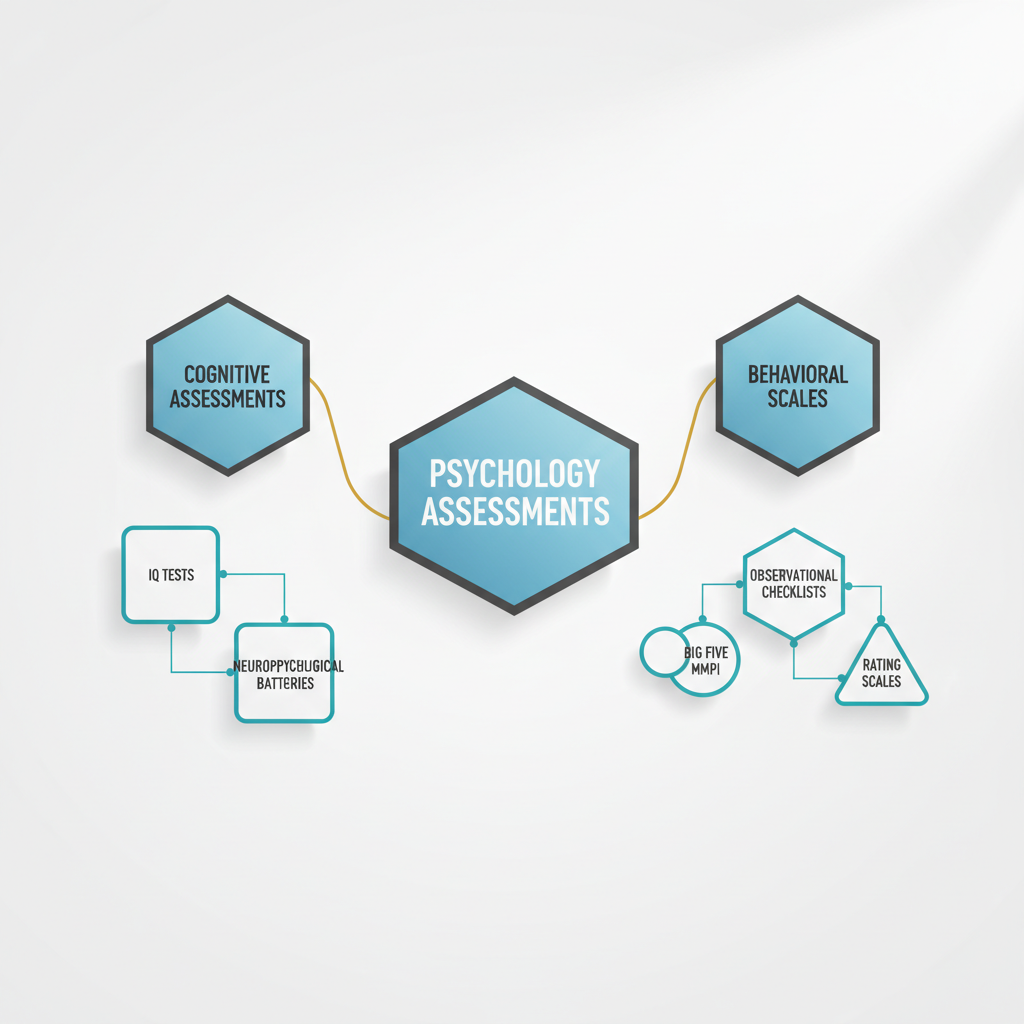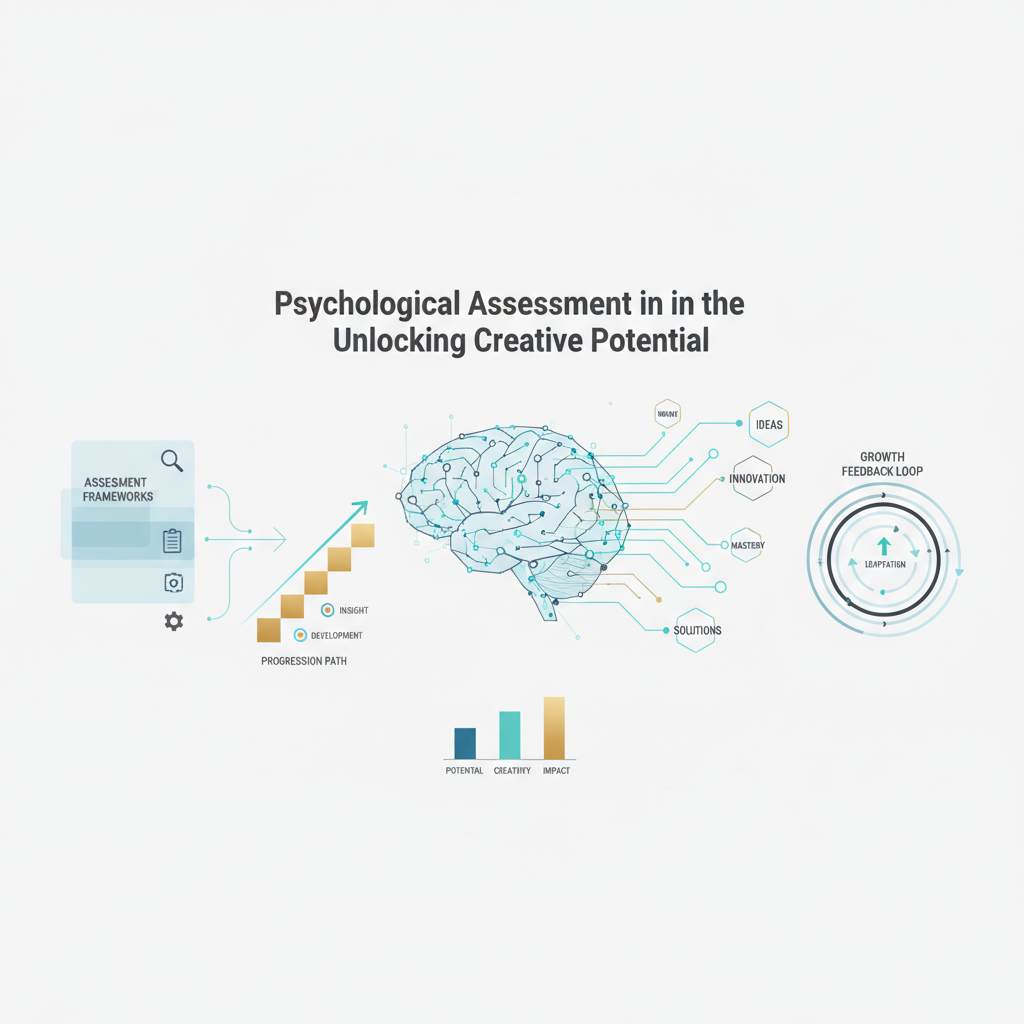
A psychological assessment in the workplace is a systematic process used to evaluate an individual’s cognitive abilities, personality traits, creative thinking, and other behavioral characteristics relevant to job performance. These assessments provide objective data to support hiring, professional development, and team-building decisions, helping organizations identify and nurture talent.
In today’s workplace, creativity and innovative problem-solving are more than just buzzwords. They are key to success for both individuals and companies. Businesses want to hire people who can think differently and adapt to new challenges. But how do employers find these qualities? And how can you understand your own creative strengths? This is where psychological assessment in the workplace can help.
This article explores how psychological assessments are used at work. These tools go beyond a typical interview to offer a deeper look into a person’s cognitive abilities, personality traits, and creative potential. We’ll explain why it’s important to understand your creative thinking style, as this helps you grow professionally and contributes to an innovative team. Our goal is to show you how these assessments can help you use your unique creative talents.
Join us as we explore the basic ideas behind psychological assessments, the different types available, and their real benefits. We’ll start by defining what these tests are and how they are used in a professional setting.
What is a Psychological Assessment in the Workplace?
A workplace psychological assessment is a structured way to learn about a person. It uses proven tools to measure someone’s thinking skills, personality, and work style. This helps companies get to know their employees and job candidates better. The insights go much deeper than a resume or interview can.
These tests do more than just check boxes. They look at the core parts of a person’s personality. They show how a person thinks, handles information, and works with others. For example, an assessment can show how someone solves problems or adapts to change.
In today’s fast-paced workplaces, these tests are great for spotting creative talent. They find people with strong cognitive flexibility and the ability to think outside the box [1]. These skills are essential for new ideas. Our Creative Ability Test, for example, is designed to measure this. It shows who is good at coming up with fresh ideas and solving tough problems in new ways.
For you, taking a psychological assessment can be a powerful experience. It gives you a clear look at your strengths and where you can improve. This self-knowledge helps you grow in your career. You’ll also see how your personal thinking style can help your team succeed.
For companies, these tests are useful in many ways. They lead to smarter choices in hiring, employee growth, and building teams. When a business knows the creative skills of its staff, it can encourage new ideas. As a result, the workplace becomes more engaging and productive.
In short, a workplace psychological assessment is a smart tool. It helps everyone better understand people’s true potential. It goes beyond resumes and interviews to find skills like creativity and new ways of solving problems. This helps both the person who wants to grow and the company that wants to succeed.
What is the importance of psychological assessment in workplace?
Improving Hiring Decisions
Hiring the right people is key. Psychological tests offer a deeper look at candidates, going beyond what resumes and interviews can show. These tools help predict how well someone will perform in a job and fit with your company culture.
As a result, companies can make smarter choices. This leads to stronger teams and reduces expensive employee turnover. Studies show that using structured tests can make hiring much more accurate [source: https://www.shrm.org/resources-and-tools/hr-topics/talent-acquisition/pages/how-to-improve-hiring-success.aspx].
For example, assessments like The Creative Ability Test reveal important strengths. They show a candidate’s creative problem-solving skills and how flexibly they think. These skills are vital for innovative roles. Knowing these traits helps you find the right person for a challenging job.
Key benefits include:
- Better Candidate-Job Fit: Matching a person’s strengths to the job’s needs.
- Reduced Turnover: People who are a good fit are more likely to stay.
- Objective Evaluation: Reducing bias in the hiring process.
- Identifying Hidden Potential: Finding talent that a resume doesn’t show.
Fostering Employee Development
Psychological tests are also powerful tools for employee growth. They help pinpoint an employee’s strengths and areas where they can improve. This information is very useful for creating personal training plans and supporting career growth.
For instance, understanding an employee’s creative thinking style can open up new possibilities. Our tests show how people approach problems and think outside the box. These insights lead to targeted training that helps people improve their problem-solving skills.
This process helps employees become more self-aware. They learn about their unique talents and find clear ways to be more creative. This builds a culture of continuous learning and helps people grow in their careers.
Benefits of using assessments for development:
- Personalized Growth Plans: Creating training that fits individual needs.
- Enhanced Skill Sets: Improving specific cognitive and creative skills.
- Increased Engagement: Employees feel valued when their company invests in their growth.
- Career Path Clarity: Helping people find roles where their creativity can shine.
Enhancing Team Dynamics
Great teams are made up of different kinds of people. They thrive on a mix of personalities and thinking styles. Psychological tests help leaders understand these differences. This knowledge is key for building strong teams and avoiding misunderstandings.
When you know how each team member thinks, collaboration gets better. For example, some people are great at brainstorming new ideas, while others excel at refining them. Knowing these styles helps you assign tasks wisely and ensures all ideas are heard.
Tests can also show communication styles and point out where conflicts might arise. Dealing with these issues early makes the team stronger. The result is a happier, more productive team that’s better at solving problems together.
How assessments boost team dynamics:
- Optimized Collaboration: Using different strengths to reach common goals.
- Improved Communication: Understanding different work and communication styles.
- Conflict Reduction: Handling potential conflicts before they start.
- Balanced Skill Sets: Building teams with skills that complete each other.
Boosting Innovation and Creativity
Innovation is key to business success, and psychological tests can help you build it. They help companies find creative people and build teams that can produce breakthrough ideas.
The Creative Ability Test, for example, measures key parts of creativity. It looks at how flexible someone’s thinking is and how open they are to new experiences. These are essential skills for innovation. Understanding these traits helps companies build a truly creative team.
When employees know how they create, they get better at innovating. They learn to use their unique strengths to solve tough problems. This leads to new solutions and opportunities, which drives a competitive advantage [source: https://hbr.org/2019/07/why-your-company-needs-a-creativity-strategy].
Using platforms like the Creative Ability Test helps workplaces:
- Identify Creative Talent: Finding people with high potential for innovation.
- Cultivate Creative Thinking: Offering ways to improve different types of thinking.
- Drive Problem-Solving: Helping employees tackle challenges with new ideas.
- Foster an Innovative Culture: Creating an environment where new ideas are encouraged.
- Gain Competitive Edge: Turning creative ideas into real business results.
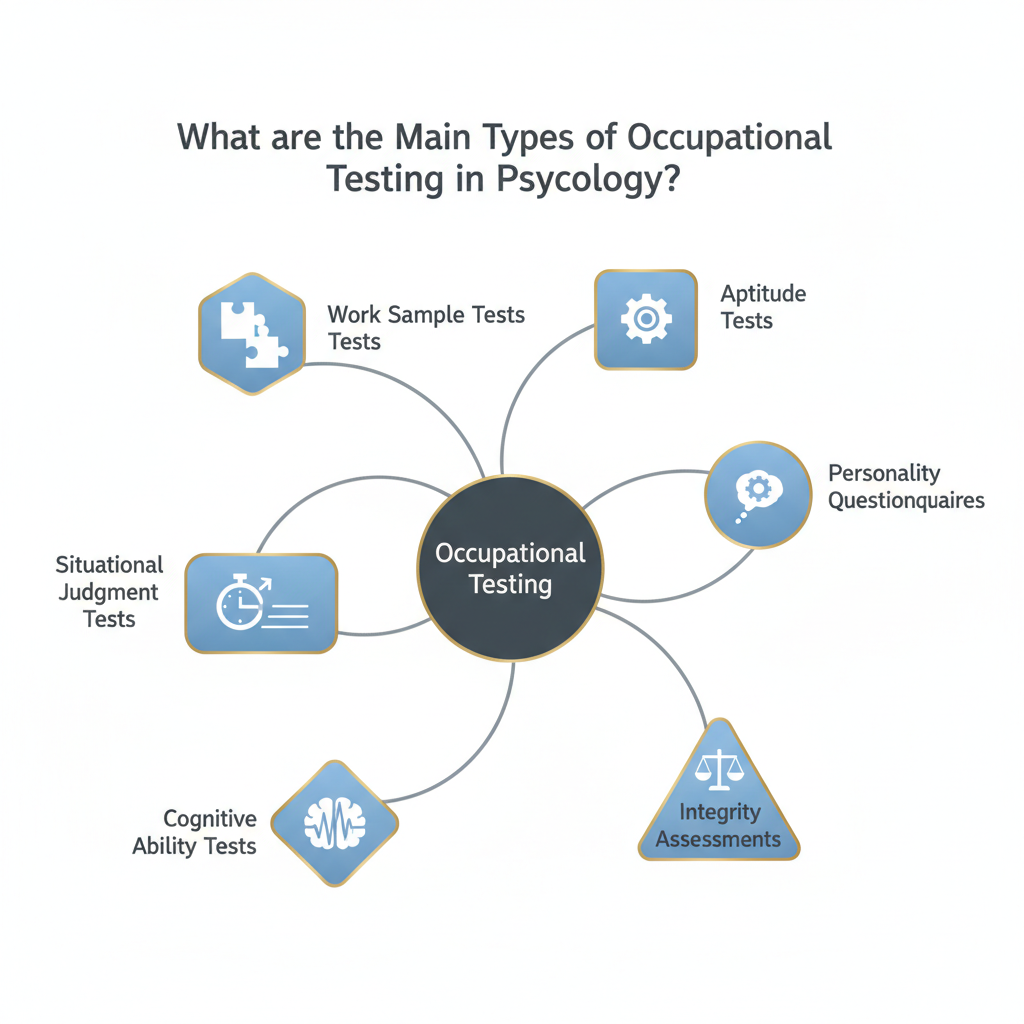
What are the types of psychological assessment in workplace?

A resume doesn’t tell the whole story about someone’s potential. Psychological tests offer a deeper look. They measure mental capabilities, personality, and skills. With these tools, companies can build stronger teams and create a place where new ideas grow.
Different tests are used for different reasons. But many focus on a person’s ability to create and solve problems. Let’s look at a few key types.
Cognitive ability tests
Cognitive ability tests measure your mental horsepower. These tests check how well you think, learn, and solve problems. They often ask questions about words, numbers, and patterns. For example, you might look at data or find patterns.
Strong thinking skills are important for many jobs. They show how fast you can learn new things. They also show how well you adapt to change [2]. Good thinking skills are also the foundation for creativity. They help you process information and connect different ideas, which helps you come up with new solutions.
Personality Assessments
Personality assessments show your usual ways of thinking, feeling, and acting. These tests look at things like your work style and how you get along with others. A common model is the Big Five personality traits. These are Openness to Experience, Conscientiousness, Extraversion, Agreeableness, and Neuroticism.
Knowing your personality helps you understand yourself better. It helps you find jobs where you can shine. For instance, people high in Openness to Experience are often very creative. They like new ideas and thinking outside the box. This knowledge can help you grow in your career and personal life.
Skills and Aptitude Tests
Skills and aptitude tests check for specific abilities needed for a job. Skills tests measure what you can already do. For example, a software developer might take a coding test. Aptitude tests, on the other hand, check your potential to learn new skills. This might include mechanical reasoning or picturing objects in space.
These tests make sure a person has the right skills for the job. They also show areas where you can improve. While not the same as creativity, some skills can help you be more creative. For example, strong critical thinking or spatial awareness can improve how you solve problems. They help you picture new designs or solutions.
Creativity and Innovation Assessments
In our fast-changing world, creativity is more important than ever. These assessments are designed to measure your creative potential. They look at how you come up with new ideas and handle tough challenges.
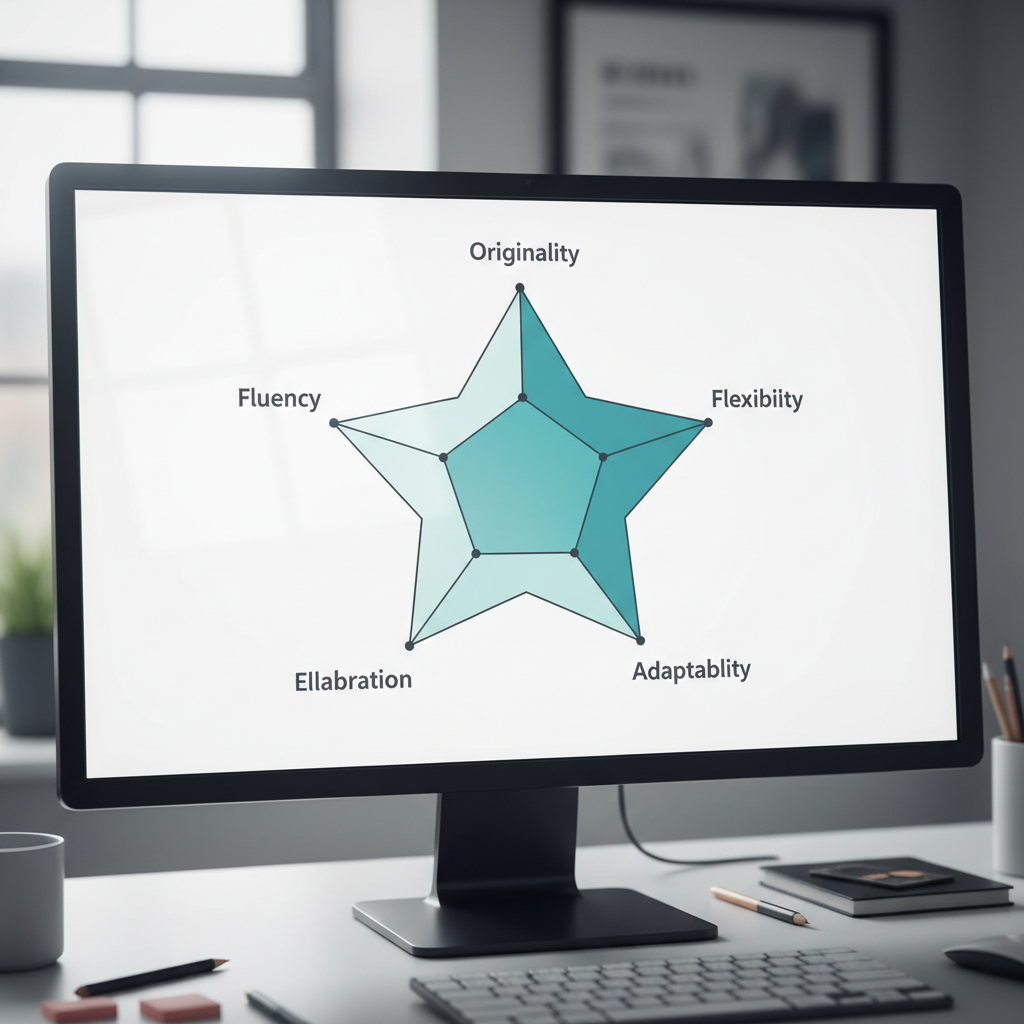
These tests go beyond basic problem-solving. They measure key parts of creative thinking, including:
- Divergent Thinking: Your ability to generate many unique ideas from a single starting point. Think of brainstorming different solutions.
- Convergent Thinking: Your skill at choosing the best and most practical solution from many options. This is about making good decisions.
- Cognitive Flexibility: How easily you can change your perspective or approach. It means adapting your thinking when you face a challenge.
- Originality: How new and unique your ideas are. It shows your ability to create truly new concepts.
Such assessments are great for identifying innovators. They help build teams with different creative strengths. The Creative Ability Test, for example, is a scientifically-grounded platform. It offers a full 30-question assessment that measures multiple sides of your creative potential. This tool helps you understand your unique thinking styles. You also get personal feedback with real steps to improve your creative thinking. You can then use these insights for real-world problem-solving and innovation.
How Can Assessments Identify Creative Problem-Solvers?

Measuring Divergent and Convergent Thinking
Creative problem-solving is an active process that involves two key types of thinking: divergent and convergent.
Divergent thinking is about coming up with many different ideas. It’s like brainstorming without judgment. Imagine you’re casting a wide net to explore all the possibilities. For example, you could list as many uses as possible for a simple object like a brick. This stage is all about the number and range of your ideas [3].
Convergent thinking, on the other hand, is about narrowing down those ideas to find the best one. You evaluate, improve, and choose the strongest option. This stage uses logic and judgment to reach a single, effective solution. These two thinking styles work together to make problem-solving successful.
Tests for creativity measure both types of thinking. Our Creative Ability Test can help you see which style comes more naturally to you. Are you better at coming up with new ideas? Or are you stronger at choosing the best one? Knowing this helps you understand your own creative strengths.
Assessing Cognitive Flexibility
Cognitive flexibility is another key part of creativity. It’s the ability to change how you think. This means you can look at things from a new angle or adjust your approach to a problem. It also lets you think about several ideas at once. This skill is essential for new discoveries [4].
Imagine you face a surprise challenge at work. If you are a flexible thinker, you can quickly size up the situation and change your plan. You can let go of old ideas that aren’t working and try something new. This helps you find fresh solutions.
Tests for creativity often use tasks that require this kind of quick thinking. They see how easily you can switch from one approach to another and avoid getting stuck. Our 30-question assessment is based on science and looks at these skills. It will give you a better understanding of how adaptable you are and suggest ways to improve.
Identifying Openness to New Experiences
Openness to new experiences is a personality trait closely linked to creativity. People who are very open tend to be:
- Curious about the world.
- Eager to try new things.
- Interested in abstract ideas and diverse cultures.
- Willing to question traditional ways of doing things.
- Open to new ideas and complex information.
This trait makes people want to learn and explore. Those who are open to experience actively look for new things to try. They aren’t held back by tradition, which helps them come up with new ideas. They are often the ones who create change [5].
Creativity tests often measure this trait using questions about what you like and how you think. Understanding how open you are gives you useful insight into yourself. It shows you how you naturally handle creative tasks and learning. Our Creative Ability Test helps you explore this part of your personality. You’ll learn how your openness affects your ability to be creative and how you can build a habit of thinking in new ways.
How Can You Prepare for a Workplace Psychological Assessment?
Understand the Purpose of the Test
Workplace psychological tests can seem scary. But knowing why you’re taking one can make you feel less anxious. Think of it as a tool companies use to understand your strengths and see how you might fit into a team.
For example, some tests look for creative problem-solvers. Others might focus on leadership skills. When you know what the test measures, you can approach it with a clear head. This helps you show your true self, making sure the results accurately show what you can do.
Take the Creative Ability Test, for example. Our science-based test helps you understand your creative style. It looks at things like flexible and original thinking. Knowing this helps you show how you really think. This is the first step to truly understanding yourself.
Get Adequate Rest
Preparing for a test isn’t just mental. Your physical health is also important. A good night’s sleep is key. It has a big effect on your thinking skills. Research shows that not getting enough sleep can harm your focus, memory, and ability to solve problems [6].
When you’re well-rested, your brain works at its best. Your thinking is sharper, and you can focus better. This clarity is very important for any test. It helps you understand information quickly. Good rest also helps you be more creative and come up with new ideas. It helps you think on your feet when you’re under pressure. Make sure to get enough sleep before your test. It’s a simple but powerful way to prepare.
Being rested helps you do your best. This makes sure the test shows your true potential, including your creative ideas and how you solve problems.
Answer Honestly
You might be tempted to guess the “right” answers, but it’s always best to be honest. These tests aren’t about passing or failing. They are meant to get a clear picture of your real skills and personality.
Trying to fake your answers can backfire. It leads to results that aren’t accurate and don’t show your real strengths. This could even lead to bad advice on how to grow in your career. Your honest answers give the most useful information. This helps both you and the company understand what you’re capable of. It shows how you can bring new ideas and solve problems.
Think of it as a way to find your creative strengths. The Creative Ability Test gives you personal feedback based on your honest answers. It helps you see what you’re good at and where you can improve. An honest test is the first step to truly understanding yourself in a useful way. It helps you grow with a clear plan. Use this chance to learn about yourself.
Discover Your Creative Potential with the Creative Ability Test

Find out what makes you creative. The Creative Ability Test is a simple, science-based way to learn about yourself. It helps you move from feeling unsure to knowing your creative strengths.
Our platform helps you see your natural creative talents. You will also find your unique thinking styles. Knowing this is important for growing personally and professionally.
The Creative Ability Test is an online quiz with 30 questions. These questions are made to measure different parts of your creativity. You will learn about how you solve problems and adapt to new ideas.
The test also looks at your openness to new experiences, a key part of creativity [7]. Our method is based on solid psychological research. This means you get trustworthy advice you can actually use.
Discover Your Creative Profile
Our test is more than a simple quiz. It gives you a complete picture of how you create. You will learn the unique ways your mind comes up with ideas and solves problems.
- Your Creative Strengths: Find out where your natural talents are. Are you great at coming up with new ideas? Do you excel at finding unique solutions? Our test shows you your natural creative gifts.
- Thinking Styles: Learn how you like to think. Divergent thinking helps you brainstorm lots of ideas. Convergent thinking helps you narrow them down. Knowing your style helps you use it well.
- Cognitive Flexibility: This measures how well you can see things from different angles. It also shows how easily you adapt to new information. Being flexible is key for new ideas [8].
- Problem-Solving Approaches: See how you usually handle challenges. The test shows if you solve problems using gut feelings or logic. You can then use this knowledge in your daily life.
- Openness to Experience: This personality trait is closely linked to creativity. It shows how curious you are and your willingness to try new things. The test helps you understand this important part of your creative self.
Practical Steps to Boost Your Creativity
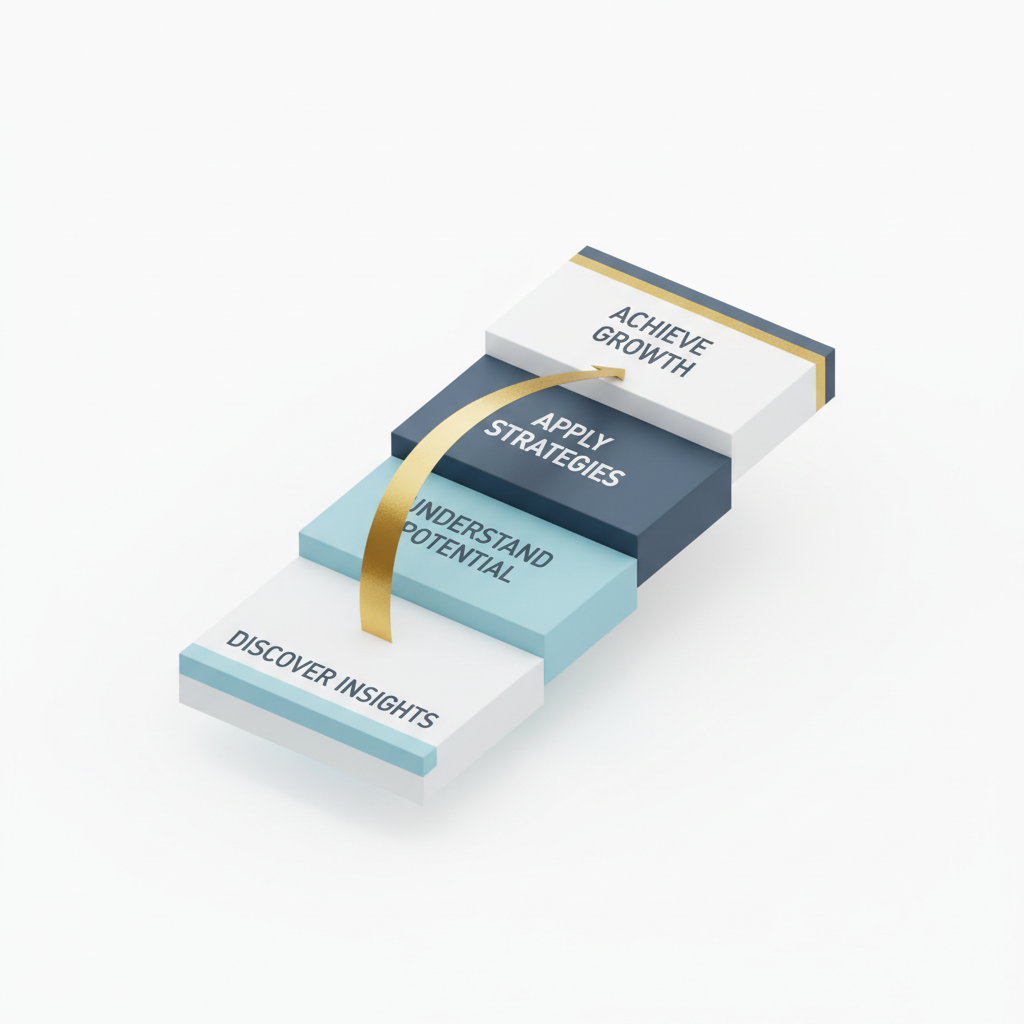
Knowing your creative profile is just the first step. The Creative Ability Test also gives you clear, practical tips. These tips help you grow and use your creative skills.
- Personalized Growth Strategies: Get advice made just for you. These tips are designed to build on your strengths and help you improve in other areas.
- Better Problem-Solving Skills: Use what you’ve learned to solve tough problems in new ways. This is a useful skill for every part of your life.
- More Innovation: Put your new creative knowledge to work. Bring new ideas to your projects, team, or company. Creativity helps everyone move forward [9].
- Greater Self-Awareness: Feel more confident in your creative abilities. Understand how your mind works best. This knowledge helps you unlock your full potential.
Start your journey of self-discovery. Take the Creative Ability Test today. Turn your creative potential into real results.
Frequently Asked Questions
What are the most common types of psychological assessments in the workplace?
Psychological assessments reveal a person’s skills and potential. Companies use them to make smart hiring decisions. They also help you understand your own strengths. Let’s look at the most common types.
-
Cognitive Ability Tests: These tests measure your thinking skills. They look at your ability to solve problems, think critically, and use logic. They often show how quickly you can learn new things [10]. These tests are key for jobs that require complex decision-making.
-
Personality Assessments: These tools explore your personality and work style. They show how you interact with others and approach your work. For example, the popular Big Five model looks at traits like openness and conscientiousness. Knowing your personality helps you find a role and team where you’ll fit in well. It also shows how your unique traits can spark creativity.
-
Skills and Aptitude Tests: These tests focus on specific job-related skills. They might measure your technical abilities, language skills, or knowledge of certain software. Aptitude tests show your potential to learn new things. They are important for specialized roles that require specific expertise.
-
Creativity and Innovation Assessments: These tests are designed to show your creative potential. They measure things like flexible thinking, originality, and how you brainstorm. They highlight your ability to come up with new ideas and find unique solutions to problems. Our Creative Ability Test is a science-backed tool for this. It measures different sides of your creative thinking, including your openness to new experiences. Knowing your creative style helps you bring new ideas to any job.
Each type of assessment offers a unique look at your skills. Together, they create a complete picture of your potential at work. This helps you grow both personally and professionally.
Why is psychological assessment important for team building?
Good team building starts with understanding each member’s unique skills. Psychological assessments are a key part of this. They reveal people’s strengths and preferred work styles. This helps create stronger, more productive teams.
First, assessments show the different ways people think. They reveal how team members approach problems and create solutions. For example, some people are great at brainstorming new ideas, while others are better at improving existing ones. Knowing this helps leaders assign roles effectively. As a result, projects benefit from many different viewpoints.
This knowledge also improves communication. When team members understand each other’s styles, there are fewer misunderstandings. It helps build empathy and stronger working relationships. Research shows that when people understand themselves and others, their team does better work [11].
Finally, assessments help teams become more innovative. When you know each person’s creative strengths, the team can use its combined talents. Our Creative Ability Test can show how each person contributes to innovation. Some might be great at coming up with ideas, while others are better at testing or implementing them. By knowing these roles, teams can solve problems better. This leads to stronger and more creative solutions.
In short, psychological assessments are a guide to building great teams. They help turn individual skills into a powerful team strength.
Are psychological assessments in the workplace accurate and fair?
It’s important to ask if psychological assessments are accurate and fair. When designed and used correctly, these tools are both. They offer valuable, unbiased insights into a person’s skills and potential.
Accuracy (Validity and Reliability):
A high-quality assessment is based on science. To be accurate, it must be both valid and reliable:
-
Validity: This means the test measures what it claims to measure. For example, a creativity test should actually evaluate creative thinking, not just intelligence. Careful research and testing ensure an assessment is valid.
-
Reliability: A reliable test gives you consistent results. If you took the same test again, your score would be very similar. This consistency shows the test is stable and trustworthy.
Our Creative Ability Test, for example, is developed using proven scientific methods. Its 30 questions are based on established creativity research. This ensures the test provides reliable and valid insights, offering a trustworthy measure of your creative potential.
Fairness (Bias and Equity):
Fairness is about making sure a test is free from bias. Good test developers take several steps to make their assessments fair:
-
Cultural Sensitivity: Test questions are carefully checked to avoid cultural bias. They are written to be easily understood by people from all backgrounds.
-
Standardized Administration: Everyone who takes the test gets the same instructions and has the same time limit. This creates a level playing field.
-
Statistical Analysis: The test results are regularly checked to see if they disadvantage any group of people. If a bias is found, changes are made to ensure fair outcomes for everyone [12].
So, when psychological assessments follow strict scientific and ethical rules, they are powerful tools. They provide objective data that is free from bias. This helps people understand themselves better and helps companies make fair, informed decisions.
Sources
- https://www.apa.org/pubs/journals/releases/psp-107-2-286.pdf
- https://hbr.org/2016/05/the-ultimate-recruiting-tool
- https://psychology.iresearchnet.com/experimental-psychology/cognition/divergent-thinking/
- https://www.sciencedirect.com/topics/psychology/cognitive-flexibility
- https://bigfivepersonality.com/openness-to-experience/
- https://www.sleepfoundation.org/sleep-deprivation/sleep-deprivation-and-cognitive-function
- https://psycnet.apa.org/record/1993-98282-000
- https://www.sciencedirect.com/science/article/abs/pii/S016641011830025X
- https://hbr.org/2019/04/why-creativity-is-the-most-important-skill-in-the-world
- https://www.shl.com/resources/the-value-of-cognitive-ability-assessments/
- https://hbr.org/2016/01/building-the-most-effective-teams-requires-a-deep-understanding-of-people
- https://www.apa.org/ethics/code