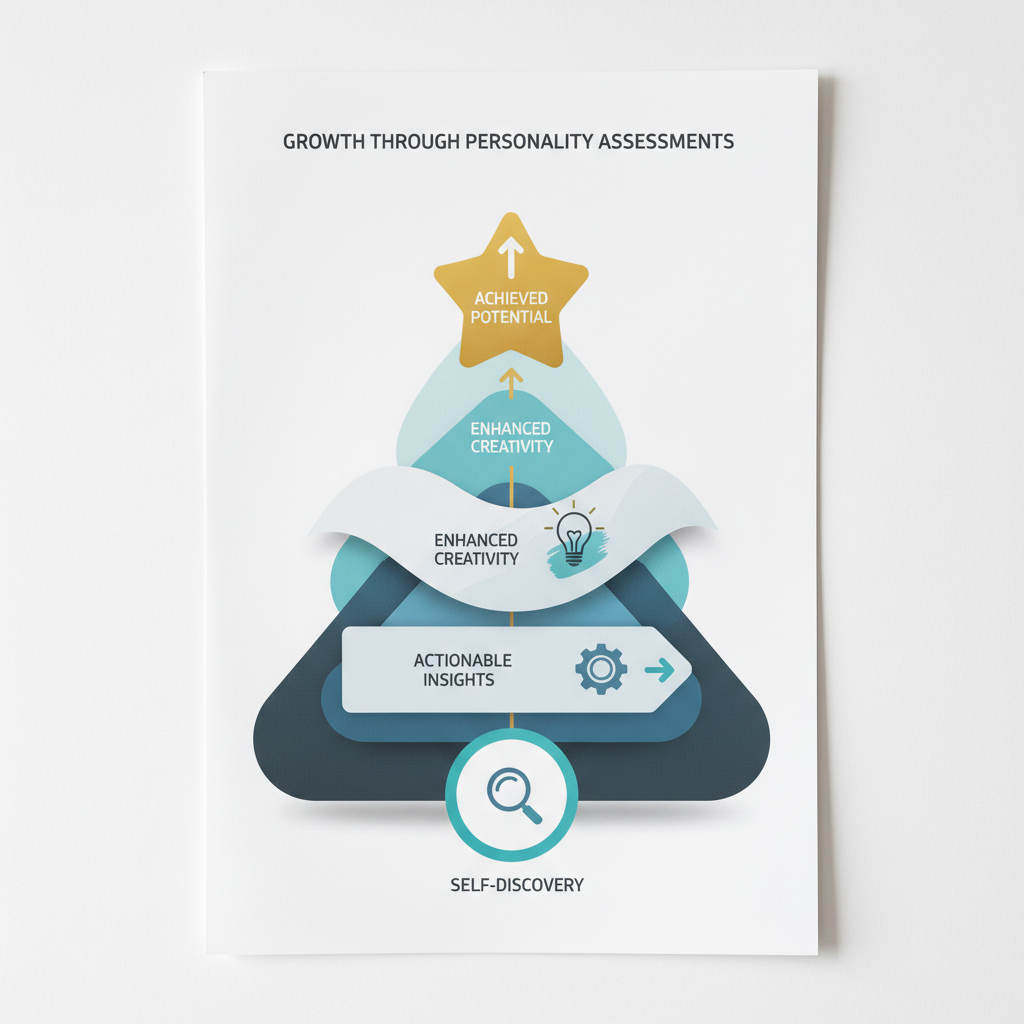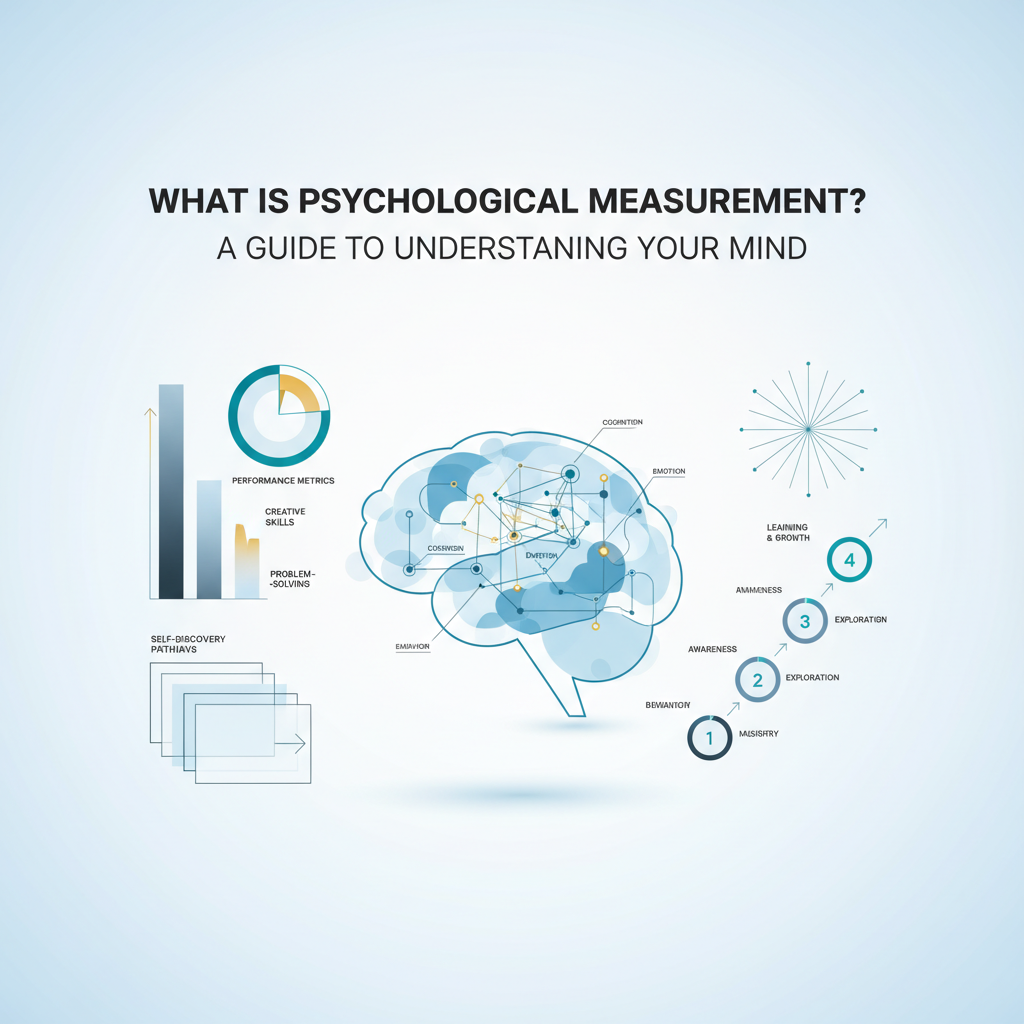
Psychological measurement is the scientific process of evaluating and quantifying mental attributes, behaviors, and psychological traits. It uses standardized assessments, such as creativity tests, to provide reliable and valid insights into an individual’s abilities, personality, and cognitive functions for personal and professional growth.
What makes you, you? Is it your curiosity, your problem-solving skills, or your creative thinking? Understanding these inner qualities—from your personality traits to your natural creativity—can feel complex. But there is a science dedicated to mapping this inner world, turning abstract ideas into clear, useful insights. Welcome to the fascinating realm of psychological measurement, your guide to self-discovery.
Psychological measurement is the scientific way to measure mental traits and behaviors. It allows us to move beyond guesswork to get an evidence-based view of everything from intelligence and resilience to your creative strengths. This field offers valuable tools for anyone interested in personal growth, professional development, or simply knowing themselves better. By exploring it, you get a clearer picture of your natural abilities and learn how to build your cognitive flexibility and innovative skills.
This guide will break down psychological measurement, explaining its core ideas, why it matters for your journey, and how to use it. We’ll show how this scientific approach can reveal your unique way of thinking and give you a foundation for improving your problem-solving skills. Prepare for a journey that will change your understanding of your mind and empower you to unlock your full potential.
What is Psychological Measurement?
From Abstract Ideas to Concrete Numbers
Have you ever wondered how we measure something like creativity? The answer is psychological measurement. It’s a scientific way to turn abstract ideas into clear, understandable numbers. This process helps us measure human traits, abilities, and characteristics that we cannot see directly.
Imagine trying to measure your sense of humor. You can’t use a ruler for that. Instead, psychologists use special tasks, questions, or scenarios. These tools help them see how your humor shows up in different situations.
This step-by-step method is important because it goes beyond just opinions or guesswork. It gives us real, unbiased information about how the mind works. For example, creativity isn’t just a feeling. It involves specific thinking processes and styles [1].
At Creative Ability Test, we use these same ideas. Our 30-question test turns your creative potential into clear results. This information helps you see your strengths and find areas where you can grow. We help you explore:
- Your cognitive flexibility
- Problem-solving skills
- Openness to new experiences
- Divergent and convergent thinking patterns
This process puts you in control. It gives you a solid base to improve your creative thinking and use it more effectively.
The Difference Between Psychological and Physical Measurement
We measure things every day. It’s easy to measure height, weight, and distance. These are called physical measurements because they involve things you can touch and see directly.
Psychological measurement is different. It deals with things you can’t touch, like intelligence, personality, or creativity. You can’t see or touch these traits, so measuring them requires special scientific methods.
Here are the key differences:
| Aspect | Physical Measurement | Psychological Measurement |
|---|---|---|
| What is measured? | Things you can touch (e.g., height, temperature, speed) | Things you can’t touch (e.g., creativity, intelligence, personality) |
| How is it measured? | Measured directly with tools like rulers or scales | Measured indirectly through how you act, respond, or perform |
| Nature of measurement | Clear and exact, with standard units (like meters or kilograms) | Often based on comparison and can change with the situation |
| Replicability | Easy to repeat with the same results | Results can be affected by your mood or the situation |
This difference shows why careful science is so important in psychology. We create advanced tools and methods to make sure our creativity measurements are both consistent and accurate [2]. Our goal is to give you useful information you can act on. This clarity helps you unlock your full potential.
Mental Measurement vs. Psychological Measurement: Are They the Same?
People often use the terms “mental measurement” and “psychological measurement” as if they mean the same thing. But there’s a small difference in their history and meaning. Understanding it helps clarify what we measure.
- Mental Measurement: This is an older term from the late 1800s and early 1900s. It was mainly about cognitive abilities like intelligence, memory, and perception. Early experts used this term to measure the mind’s abilities [3].
- Psychological Measurement: This is a newer term that covers more ground. It includes everything related to the human mind—not just thinking skills, but also personality, emotions, attitudes, and creativity. This whole field is known as psychometrics.
So, think of it this way: all mental measurement is a type of psychological measurement, but psychological measurement covers more than just “mental” skills. Creativity, for example, uses thinking skills but is also linked to personality and openness.
Our Creative Ability Test uses this broader approach. It looks beyond just your thinking ability to see how different parts of your psychology fuel your creativity. This complete picture gives you a rich understanding of your unique creative profile, helping you grow personally and professionally.
Why is Measuring Psychological Traits Important for You?
Unlocking Personal Growth and Self-Awareness
Learning about your mind is like having a map of yourself. It shows you how you think and feel. This knowledge helps you grow as a person.
For example, a creativity test reveals your unique thinking style. Do you come up with ideas quickly? Can you easily connect different topics? Knowing this about yourself is powerful.
When you know your strengths, you can use them better. You’ll feel more confident and see which skills you might want to improve.
The Creative Ability Test gives you this clear self-awareness. It shows you your creative potential. This is the starting point for personal growth.
- Discover hidden strengths: Find strengths you didn’t know you had.
- Understand your thinking style: Learn how you solve problems and come up with ideas.
- Boost self-confidence: Feel more confident in your unique skills.
- Target areas for growth: See which skills you can work on to grow.
Guiding Your Professional and Educational Path
Understanding your creative skills can help you choose a career or school path. It helps you find a direction where you can truly succeed.
Many jobs today require creative thinking. Companies want employees who can solve problems in new ways and offer fresh ideas [4].
By testing your creativity, you can find jobs that fit your natural skills. For example, if you’re great at brainstorming many ideas, you might be perfect for product development. Or, if you adapt easily to change, you might do well in a fast-paced field.
In school, it helps to know your creative style. You can pick subjects and projects that play to your strengths. This makes learning more fun and effective.
Our assessment gives you practical information. It helps you make clearer choices about your work and school path.
- Identify ideal career paths: Find careers where your creativity is a big plus.
- Enhance workplace performance: Use your creative skills to do better at work.
- Improve academic engagement: Pick school projects that fit how you think.
- Develop valuable skills: Build skills like creativity and flexibility for your future.
The Science Behind Making Better Decisions
Psychological tests give you objective facts, not just feelings. This data helps you make decisions based on science instead of only intuition.
For example, it’s helpful to know your level of cognitive flexibility. This skill lets you adapt your thinking. You can easily switch between different ideas or plans when you need to.
In the same way, strong divergent thinking helps you brainstorm lots of solutions. This keeps you from getting stuck on one idea that may not be the best. Studies show that exploring many options leads to better results for tough problems [5].
When you understand how your mind works, you can make smarter choices. You can better predict how you’ll react in a situation and use your strengths to find the best solutions.
Our Creative Ability Test is based on science. It helps you understand the way you think. This knowledge helps you make smarter, better decisions in all parts of your life.
- Gain objective insights: Make choices based on facts, not just feelings.
- Improve problem-solving: Use flexible thinking to adapt and solve problems.
- Generate more options: Think of more possibilities before choosing one.
- Reduce bias: See how your thinking style affects your choices to make fairer decisions.
How Does Psychological Measurement Work in Practice?
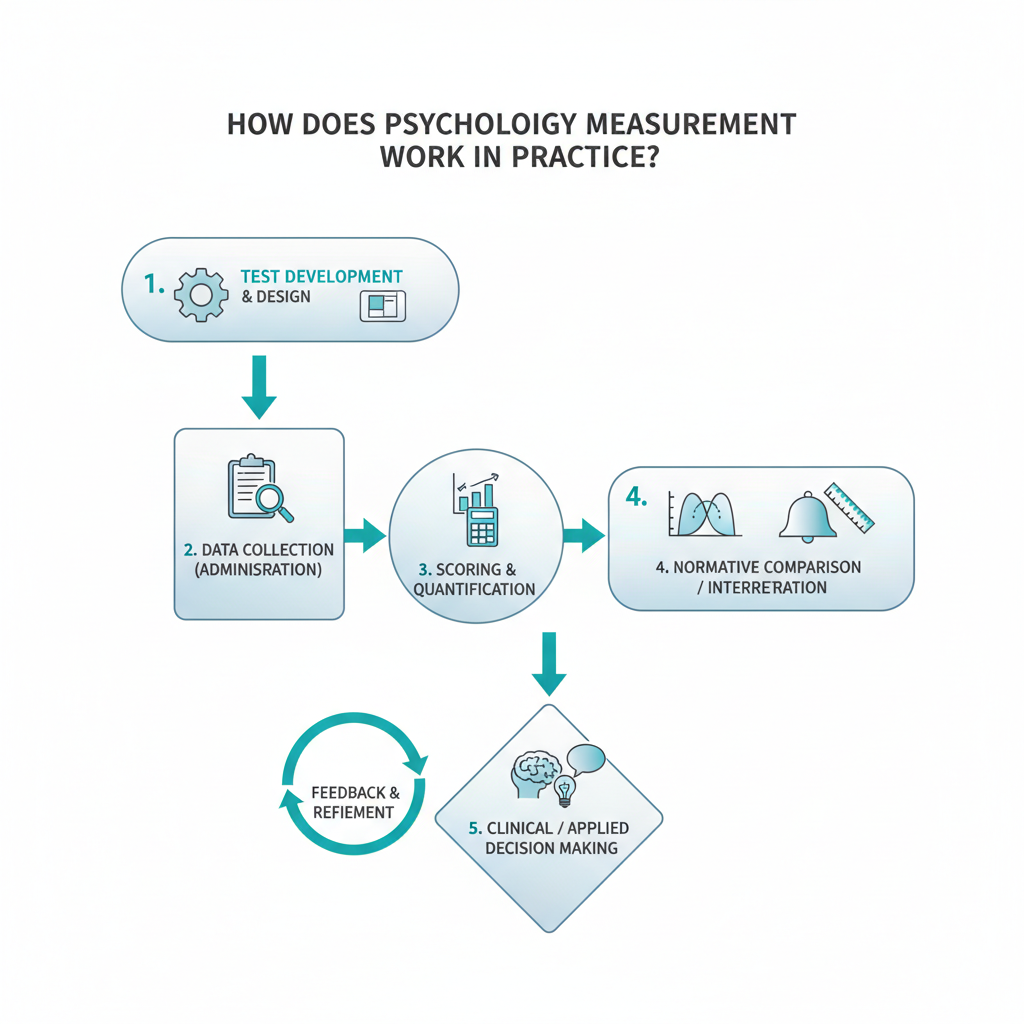
Key Concepts: Reliability and Validity Explained Simply
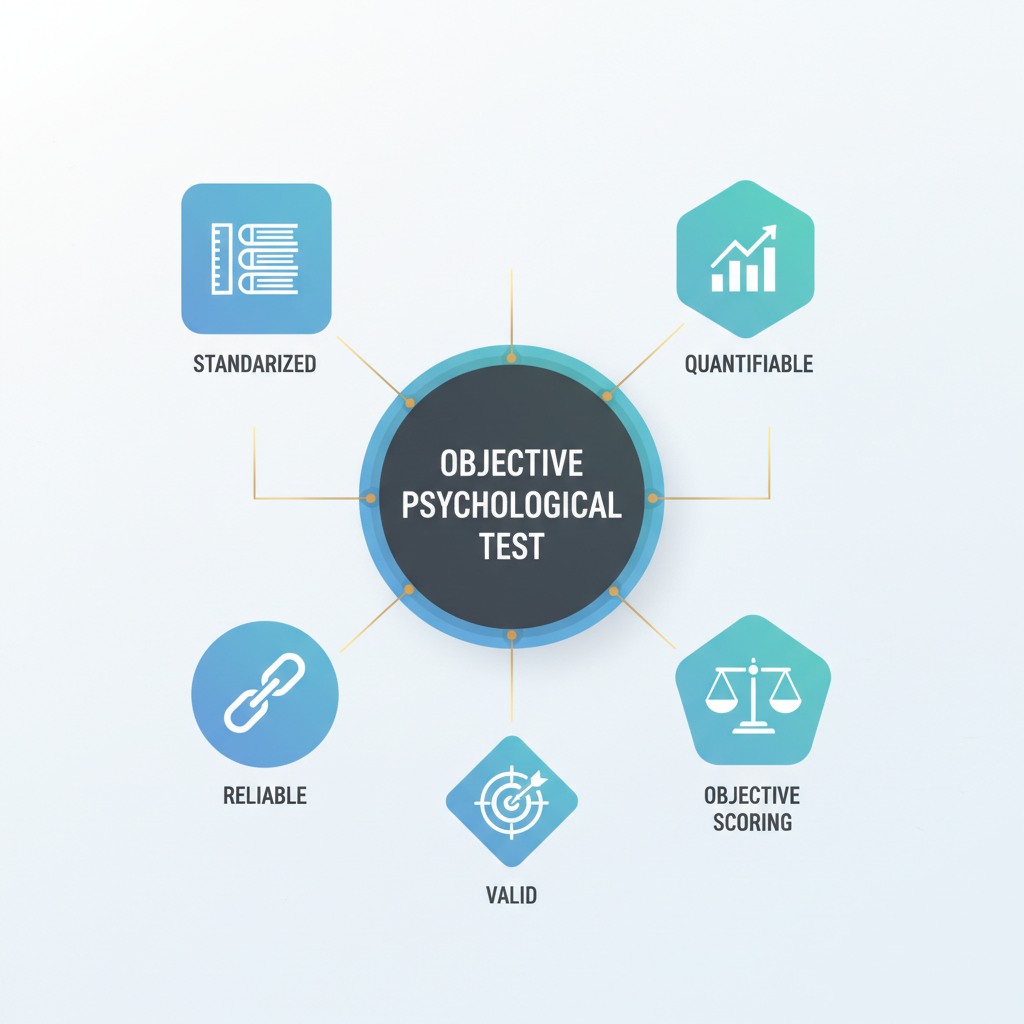
Psychological tests help us understand ourselves. For a test to be useful, it needs two key things: reliability and validity. These words might sound technical, but the ideas are simple. They are the foundation of any trustworthy test.
Reliability: Consistent Results You Can Trust
Reliability means consistency. Imagine stepping on a bathroom scale. If it shows your weight as 150 lbs, then 180 lbs, then 155 lbs all within a minute, it’s not reliable. A reliable scale gives you roughly the same weight every time you step on it.
In psychology, reliability means a test gives you consistent results. If you take a creativity test today and again next month, a reliable test should give you similar scores (as long as your skills haven’t changed much). This consistency means you can trust the results to be a stable measure of your abilities [6].
- Why it matters: Reliable tests give you confidence. You can trust that your feedback is based on a stable measure of your traits.
- For your creativity: Our tests provide consistent insights into your creative thinking styles.
Validity: Measuring What Matters
Validity asks: “Is this test actually measuring what it’s supposed to measure?” Using our scale example, a valid scale measures your weight. It wouldn’t be valid if it measured your height instead, even if it did so consistently.
For a creativity test, validity means it actually measures your creativity—not something else, like your intelligence or vocabulary. A valid test gives you real insights into how you generate ideas, solve problems, and think flexibly. This is key to making sure the results are meaningful and useful for you [7].
- Why it matters: Valid tests provide accurate insights. They help you understand your actual creative strengths.
- For your growth: A valid creativity test points you to strategies that will actually help you grow.
The Creative Ability Test is built on these key ideas. We made sure our 30-question test is both reliable and valid. This scientific backing means you get accurate, trustworthy insights into your creativity. You can then confidently use what you learn for your personal and professional growth.
Common Types of Psychological Tests
Psychologists use different tools to understand the mind. These tools help measure complex traits like personality, intelligence, and creativity. Each type offers a unique way of looking at these traits.
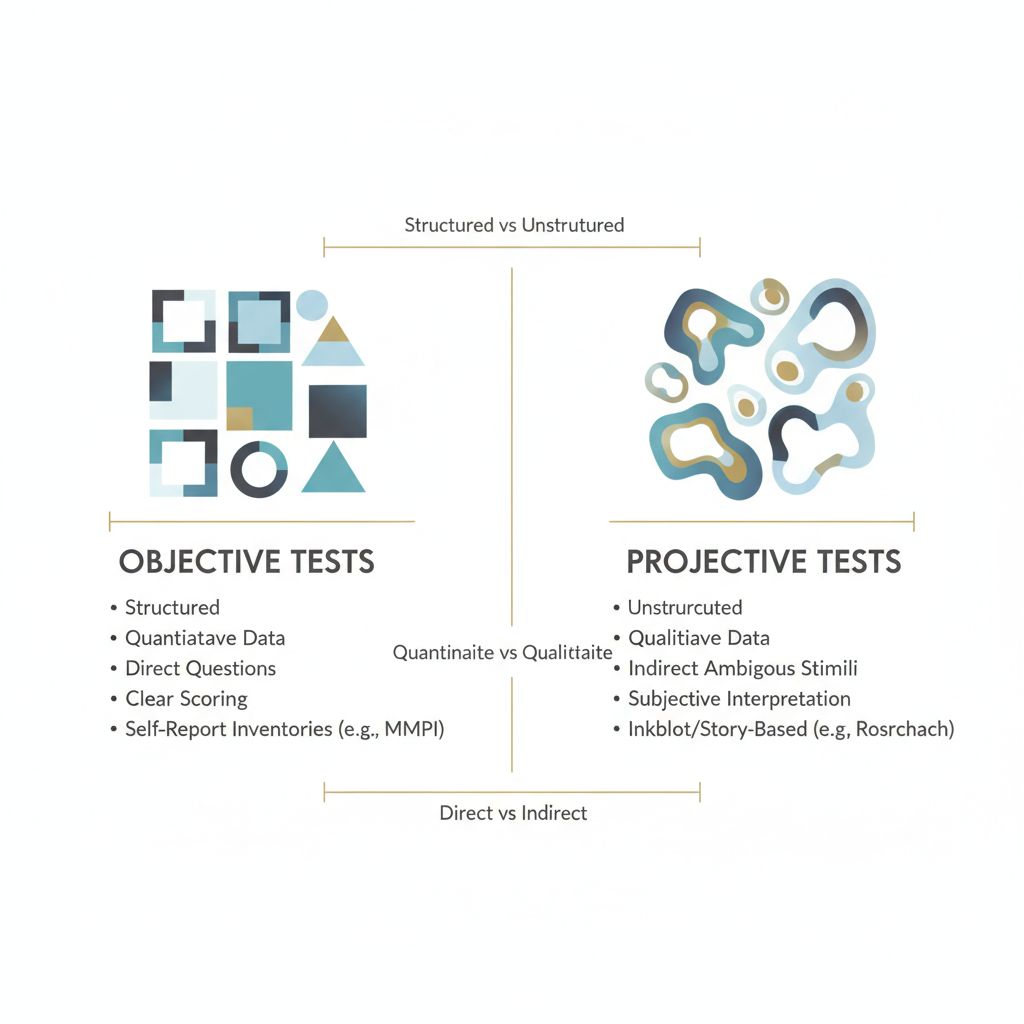
- Self-Report Questionnaires: These are very common. You answer questions about your own thoughts, feelings, or behaviors. Our Creative Ability Test is this type of questionnaire, where you reflect on your experiences and preferences.
- Performance-Based Tests: These tests ask you to do specific tasks. For example, you might solve a puzzle, play a memory game, or list all the uses you can think of for a paperclip. These tests watch your abilities in action.
- Observational Methods: Sometimes, experts watch how people behave in natural or lab settings. This can show patterns that people might not report about themselves. It provides a real-world view of how people act and respond.
- Physiological Measures: These tools track the body’s responses, like heart rate, brain activity, or eye movement. They can offer clues about a person’s emotions or thought processes.
Each tool helps build a full picture of a person’s mind. By using different methods together, we get a richer, more detailed look into creative thinking.
An Example: How We Measure Creativity
Measuring creativity seems hard. How do you put a number on something so personal? We see creativity as a mix of different skills, not just a single trait. It involves several ways of thinking.
The Key Parts of Creativity
We focus on the key skills that form the foundation of creativity. These include:
- Divergent Thinking: This is your ability to come up with many different ideas from one starting point. For example, how many uses can you think of for a paperclip? A person strong in divergent thinking would list many different ideas. This shows an ability to think freely and come up with original concepts.
- Convergent Thinking: This is your ability to find the single best answer to a problem. It’s like solving a riddle or finding the most logical solution. Both divergent and convergent thinking are key for solving problems and coming up with new ideas.
- Cognitive Flexibility: This is your ability to adapt your thinking. It means you can switch between different ideas or points of view easily. This helps you look at problems from new angles.
- Openness to Experience: This personality trait is all about curiosity. It’s your willingness to explore new ideas, feelings, and different ways of doing things. People who are more open are often more creative [8].
Our Scientific Approach
Our 30-question test carefully measures these skills to understand your unique creative strengths. We don’t just ask if you “feel creative.” Instead, we use questions and scenarios that show your natural ways of thinking. These questions are based on solid research in the psychology of creativity.
For example, some questions ask how you handle new situations. Others check if you prefer to explore many options before choosing one. This thorough approach gives us a full picture of your creative skills.
Personalized Insights for Growth
After you finish the Creative Ability Test, you get personalized feedback. We turn your scores into clear, useful insights so you can understand:
- Your main creative thinking styles.
- Areas where your creativity naturally shines.
- Specific ways to improve your cognitive flexibility and divergent thinking.
- Practical tips for applying your creative strengths to real-world challenges.
Our goal is to replace any uncertainty you have about your creativity with clear self-awareness. We give you a structured plan to help you grow. You can go from wondering about your creativity to confidently using it to solve problems and create new things. This journey helps you unlock your full creative potential.
What are some common psychological measurement examples?
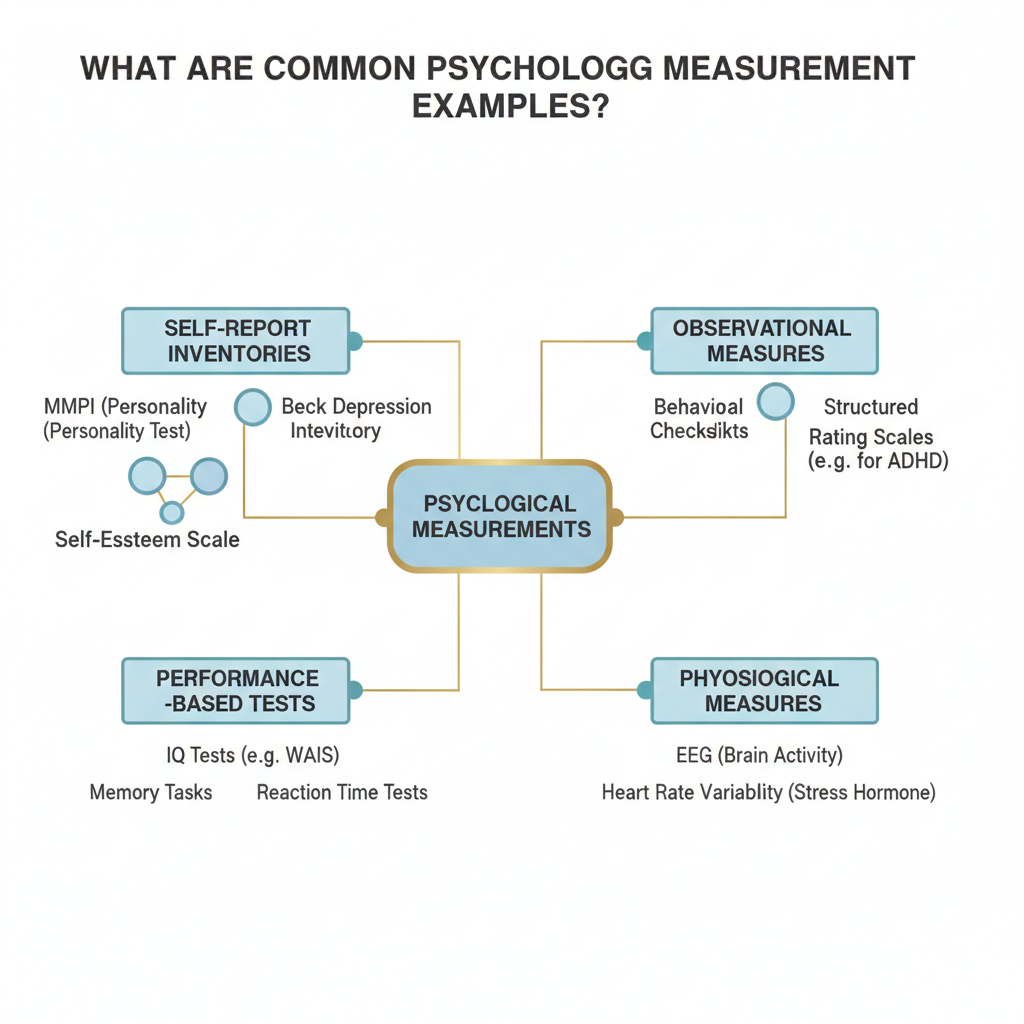
Measuring Intelligence (IQ Tests)
Measuring the mind helps us understand how it works. A common example is the IQ test, which measures intelligence. These tests check your thinking skills, like reasoning, problem-solving, and logic. For example, an IQ test might ask you to solve puzzles or find patterns [9].
IQ scores show some of your mental strengths, but they don’t measure your full potential. They are just a snapshot of certain skills. Still, intelligence is a key part of how we learn and handle new information.
Knowing your thinking strengths is powerful. It helps you use your unique way of thinking to your advantage. This self-awareness helps you grow and solve problems more effectively.
Assessing Personality (The Big Five)
We can also measure personality. Personality tests help us understand the consistent ways we think, feel, and act. They show our typical ways of interacting with the world. A popular and trusted model for this is the “Big Five” personality traits [10].
The Big Five model looks at personality in five main areas:
- Openness to Experience: This trait is about imagination, curiosity, and being open to new things. Creative people often score high here.
- Conscientiousness: This measures how organized, disciplined, and reliable you are. It’s linked to setting goals and having self-control.
- Extraversion: This shows how outgoing and energetic you are. Extraverts often feel energized by social situations.
- Agreeableness: This trait is about being cooperative, kind, and trusting. It affects how you get along with others.
- Neuroticism (Emotional Stability): This relates to your emotional stability. People with lower scores tend to be more calm and resilient.
Understanding your personality helps you know yourself better. It shows your natural tendencies. This knowledge can help you choose a career, improve relationships, and grow as a person. It also shows how your personality affects the way you express your creativity.
Evaluating Creativity (Divergent and Convergent Thinking)
At Creative Ability Test, we specialize in measuring creativity. This is an important part of understanding the mind. We focus on your unique creative strengths and styles. We know that creativity is not just one thing—it’s a mix of different thinking skills. Two key parts of creativity are divergent and convergent thinking [11].
Understanding Divergent Thinking
Divergent thinking is like brainstorming. It’s about coming up with many different ideas or solutions for a problem. Instead of looking for one “right” answer, it explores lots of possibilities. For example, what can you do with a brick? A divergent thinker might list a paperweight, a doorstop, a small sculpture, or even crushing it into powder for paint. This skill shows your mental flexibility and how open you are to new ideas.
Understanding Convergent Thinking
Convergent thinking is the opposite. It’s about narrowing down your options to find the best one. After brainstorming many ideas, convergent thinking helps you pick the most useful solution. It aims for a single, clear answer. For example, after listing uses for a brick, you’d use convergent thinking to pick the most practical one for a certain goal. This is a key skill for problem-solving and innovation.
How Creative Ability Test Helps You
Both divergent and convergent thinking are key for new ideas. Our 30-question test measures both types of creative thinking. It gives you personal feedback on your creative strengths and unique thinking style. For example, you might be great at coming up with ideas but need help choosing the best one. Or you might be good at finding a single solution but need to practice brainstorming more.
We give you practical tips to improve both skills. This helps you understand your creative potential and gives you a clear plan to build on it. You’ll learn how to use your creativity in your daily life, which helps you grow both personally and professionally. Your personal feedback will give you a clear path to becoming more creative.
How Can You Use Psychological Measurement for Self-Improvement?
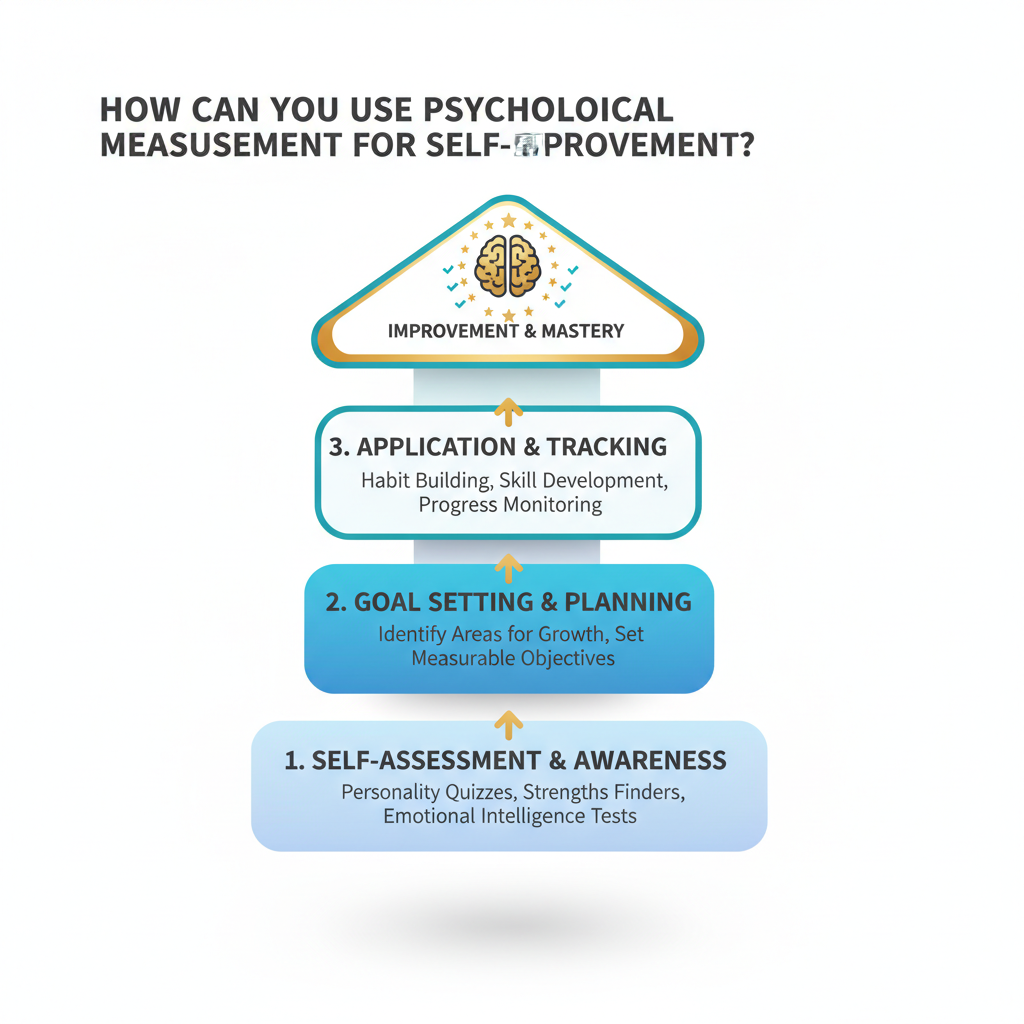
Knowing yourself is the first step to personal growth. Psychological tests can show you the way by offering an honest look at your inner world. They reveal your creative strengths and thinking patterns, helping you unlock your full potential.
This process turns confusion into self-awareness you can use. It helps you move from unpredictable creative moments to steady growth. You can deepen your understanding of creativity and use it to solve real-world problems. It also turns general self-help advice into practical insights made just for you.
Identify Your Strengths and Areas for Growth
To improve yourself, you first need to know yourself. Psychological tests can help you find your unique creative style. They show you what you’re naturally good at and where you can improve.
For example, our Creative Ability Test looks at different parts of creativity, like your flexibility, divergent thinking, and problem-solving skills. Understanding these traits shows you how you handle challenges and where your creative energy naturally flows.
You might find you’re great at coming up with many ideas (divergent thinking) but need to get better at choosing the best one (convergent thinking). With this kind of clarity, you can use your strengths more effectively.
Key insights from these tests help you:
- Find your natural creative talents and ways of thinking.
- See how well you adapt to new ideas.
- Know exactly where you can get more creative.
- Feel more confident in your ability to solve problems.
- See the patterns in how you create.
Set Meaningful Personal and Professional Goals
When you understand your creative style, you can set clear and effective goals. These goals are personal and powerful because they match your true potential and dreams. This is a big benefit of using psychological tests.
For example, if you learn you’re good at thinking of new ideas, you might aim for a leadership role where you can develop new solutions. Or, if you see you could be more open to new experiences, you could set a goal to try new hobbies. These specific actions help you keep growing.
The personal feedback from a tool like the Creative Ability Test gives you a clear plan. It turns what you learn about yourself into real action. The benefits of goal setting for personal and professional development are well-known [12].
Use your insights to:
- Create a personal growth plan based on your strengths.
- Set career goals that use your unique problem-solving skills.
- Find ways to get past creative blocks.
- Feel more confident taking on big creative projects.
- Use creative thinking in your everyday life and at work.
Start Your Journey with the Creative Ability Test
Ready to unlock your creative potential? The Creative Ability Test is a science-based way to start. It’s a 30-question test that looks at the different parts of your creativity.
You’ll get feedback made just for you, based on your strengths and areas for growth. We also give you practical tips to improve your creative thinking and problem-solving skills. Our method is based on proven research and is great for beginners, students, and professionals.
Start your self-discovery journey today. Understand your creative mind like never before and turn your potential into real results. This is your first step toward a more creative and fulfilling life.
Frequently Asked Questions
What is psychological measurement?
Psychological measurement is the science of measuring human traits. It’s about putting a number on things we can’t see, like intelligence, personality, and creativity.
In simple terms, it helps us understand the hidden parts of our minds. This process turns complex human traits into data we can study. This data gives us useful insights into why we think and act the way we do.
At Creative Ability Test, we use psychological measurement to pinpoint your unique creative strengths. This gives you a clear picture of your potential.
What are some examples of psychological measurement?
Psychological measurement is used in many fields to help us understand the human mind. Here are a few common examples:
- Intelligence Tests (IQ Tests): These tests measure thinking skills, like problem-solving and logical reasoning. They help show a person’s potential for learning and thinking [13].
- Personality Tests: Tools like the Big Five Personality Test look at your usual ways of thinking, feeling, and acting. They show you traits like openness, conscientiousness, and agreeableness.
- Creativity Assessments: Our Creative Ability Test is a great example. It measures your style of creative thinking. We look at things like your ability to brainstorm, switch between ideas, and stay open to new things. This helps you see how you come up with fresh solutions.
- Attitude Surveys: These surveys measure how people feel about certain topics. They’re often used in market research or to study social trends.
These examples show how we turn complex human traits into data that is easy to understand and use. This information can guide your personal and professional growth.
What are psychological measurement tools?
Psychological measurement tools are the instruments we use to gather data on human traits. They are carefully designed and tested to be accurate. These tools help us move from just observing people to understanding them with facts. Here are the main types:
- Standardized Tests and Questionnaires: These are specific sets of questions or tasks given to everyone in the same way. Our 30-question Creative Ability Test is one of these. It provides a reliable way to measure your creative skills.
- Surveys and Self-Reports: People answer questions about their own thoughts, feelings, and actions. These tools are great for getting a personal point of view and showing how you see your own creativity.
- Behavioral Observations: Sometimes, experts watch and record how people act in certain situations. This gives us clues about how people behave in the real world and adds to what people say about themselves.
- Interviews: Conversations, either planned or open, can dive deep into a person’s experiences. They add detailed personal stories to the number-based results.
All of these tools need to be reliable and valid. This just means they consistently measure the right thing. This way, they provide trustworthy information for your journey of self-discovery.
What are some mental measurement questions?
Mental measurement questions are designed to look at how you think, feel, and act. They aren’t trivia. Instead, they are carefully written to show patterns in how your mind works. The term “mental measurement” is often used to mean the same thing as “psychological measurement.”
These questions help us understand the way you think and find your unique thinking style. Here are a few things they might explore:
- Problem-Solving Approaches: How do you handle a tough challenge? Do you like to brainstorm many ideas or find one perfect solution? For example: “Imagine you have a brick. List as many uses for it as you can.”
- Creative Thinking Processes: What sparks your new ideas? Are you comfortable with uncertainty? A question could be: “When you face an unusual situation, what is your first instinct?”
- Emotional Responses: How do you usually react to stress or new things? This can show your emotional strength. For example: “How do you feel about stepping outside your comfort zone?”
- Cognitive Flexibility: How easily can you switch between different points of view? This is a key part of flexible thinking. You might be asked: “If your first plan fails, how do you change your approach?”
- Openness to Experience: Are you naturally curious about new ideas and experiences? A common type of question is: “Do you enjoy exploring new concepts or forms of art?”
These types of questions on the Creative Ability Test help build your personal profile. They show your creative strengths and give you practical tips to improve your innovative thinking.
Sources
- https://www.apa.org/pubs/books/understanding-psychological-measurement
- https://psychology.iresearchnet.com/experimental-psychology/psychological-measurement/
- https://www.britannica.com/science/psychological-testing
- https://www.weforum.org/agenda/2023/05/future-of-jobs-2023-top-skills/
- https://www.ncbi.nlm.nih.gov/pmc/articles/PMC4206214/
- https://www.apa.org/pubs/glossary/reliability
- https://www.apa.org/pubs/glossary/validity
- https://www.ncbi.nlm.nih.gov/pmc/articles/PMC8900010/
- https://www.simplypsychology.org/intelligence.html
- https://www.verywellmind.com/the-big-five-personality-traits-2795422
- https://www.sciencedirect.com/topics/psychology/divergent-thinking
- https://hbr.org/2016/10/how-to-set-goals-when-youre-not-sure-what-you-want
- https://www.apa.org/education-career/guide/science-psychology/psychological-assessment