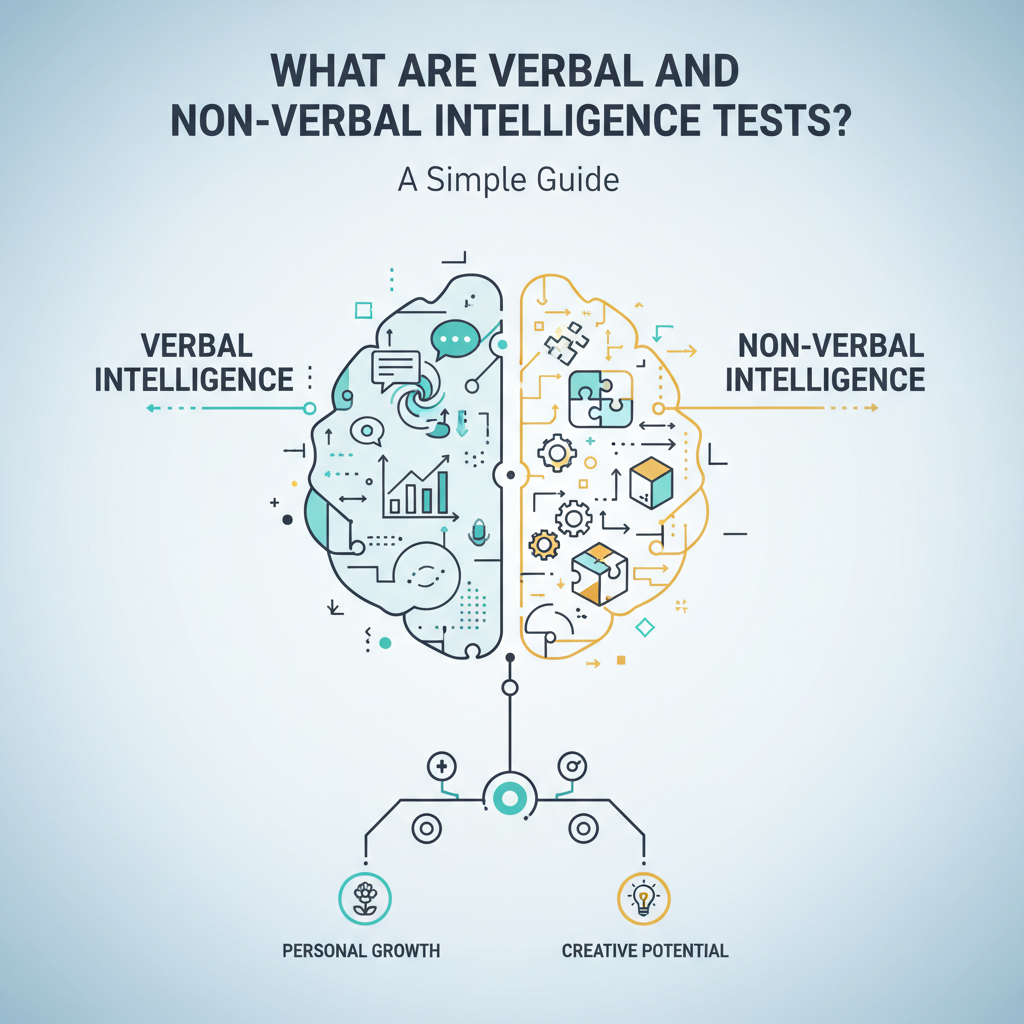
Verbal and non-verbal intelligence tests are assessments that measure different cognitive abilities. Verbal tests evaluate skills related to language, such as vocabulary, comprehension, and reasoning with words. Non-verbal tests assess problem-solving abilities using visual information, like patterns and shapes, independent of language skills.
Have you ever wondered how your mind works? Intelligence is more than just a test score. It’s a mix of different skills, from the way we communicate to how we solve puzzles without a word. Understanding these different abilities isn’t just interesting—it’s a tool for personal growth. It can help you unlock your creativity and face challenges more effectively.
This guide explores intelligence assessment, focusing on the differences between verbal and non-verbal tests. We’ll explain what each test measures and what they reveal about your thinking style. Knowing your strengths in these areas can improve your problem-solving and creative skills. Discover why telling the difference between a verbal and a non verbal intelligence test leads to better self-awareness.
At Creative Ability Test, we believe that self-discovery is the first step to unlocking your creative power. When you are clear about your cognitive strengths, you can build on them for innovation and personal growth. So, how do we measure these diverse kinds of intelligence, and what can they teach us about ourselves?
How Do We Measure Different Kinds of Intelligence?
Beyond a Single IQ Score
For years, intelligence was often simplified to a single IQ score. But modern psychology sees it differently. We now know that human intelligence is incredibly diverse and can’t be measured by just one number.
This wider view helps us appreciate the unique way our minds work. Leading theories, like Howard Gardner’s Multiple Intelligences, show we have many kinds of intelligence [1]. These include musical, physical, and social skills, not just traditional academic strengths.
Understanding this is key to personal growth. It lets you move past simple labels and focus on your specific strengths. This approach builds confidence in your true potential. It also shows how different mental skills combine to boost your creativity and problem-solving.
At Creative Ability Test, we agree with this broader view. Our platform helps you discover your different strengths. We help you move from uncertainty to clear self-awareness, giving you personalized insights into your creative potential.
Introducing Verbal and Non-Verbal Abilities
To understand intelligence better, experts often group abilities into different types. Two of the most basic types are verbal and non-verbal intelligence. They represent the different ways our minds handle information.
Verbal intelligence is all about language. It’s your ability to understand, use, and think with words. This includes understanding what you read, expressing your ideas clearly, and knowing a wide vocabulary. It’s essential for communicating, learning, and sharing creative thoughts.
On the other hand, non-verbal intelligence is about solving problems without words. It uses visual thinking, pattern recognition, and spatial awareness. Think of solving a puzzle, reading a map, or imagining an object from different angles. This skill is key for seeing connections and finding new ways to innovate.
Both types of intelligence can be measured. A verbal test might ask about word meanings or how to complete a sentence. A non-verbal test might use shapes, patterns, or sequences. These tests offer a look into how flexibly you can think.
Understanding these different abilities gives you powerful insights. It helps you see how you think and learn best. It also shows how these skills fuel your creativity. Many creative acts use a mix of both. For example, an inventor might picture a new product (non-verbal) and then explain its benefits (verbal). Our platform gives you feedback on these key areas, helping you use your creativity in practical, real-world situations.
What is a verbal and nonverbal intelligence test?
Defining Verbal Intelligence: The Power of Language
Verbal intelligence is your ability to understand and use language well. It is about how well you understand words, phrases, and complex ideas in text and speech. This skill is essential for everyday communication and learning.
Think of it as your brain’s language center. It helps you express thoughts clearly and understand what others mean. Strong verbal intelligence lets you handle conversations and written information with ease. For example, people with high verbal intelligence are often good at learning new languages or writing interesting stories [2].
Key aspects of verbal intelligence include:
- Vocabulary: Knowing many words and their meanings.
- Verbal Reasoning: Understanding relationships between words and ideas.
- Comprehension: Understanding the main ideas in written or spoken text.
- Fluency: Expressing your ideas smoothly and clearly.
This type of intelligence is closely tied to your creativity. It helps you come up with different ideas and tell interesting stories. It also helps you explain your new ideas to others. The Creative Ability Test recognizes that verbal skills are a big part of how you brainstorm and express your unique point of view.
Defining Non-Verbal Intelligence: Solving Without Words
Non-verbal intelligence is your ability to understand and solve problems using visual information. This means seeing patterns, picturing how shapes move, and using logic instead of words. It is often called “fluid intelligence” or “performance intelligence.”
Imagine solving a tricky puzzle or reading a diagram without any words. That’s non-verbal intelligence at work. It lets you picture solutions in your mind and think in abstract ways. You use this skill for many daily tasks, like building furniture or finding your way in a new place. Because they don’t rely as much on language, non-verbal tests can be a fairer measure for people from different cultures [3].
Components of non-verbal intelligence often include:
- Pattern Recognition: Spotting patterns and connections in what you see.
- Spatial Reasoning: Mentally picturing shapes or seeing how objects fit together.
- Logical Deduction: Solving problems by finding the rules without using words.
- Abstract Thinking: Understanding ideas that you can’t see or touch.
This skill set is very useful for creativity. It helps you picture new possibilities and look at problems in new ways. Non-verbal intelligence is key for creative problem-solving and design thinking. The Creative Ability Test helps you find these visual and logical strengths. You can then use them to create unique solutions and explore your creative potential more fully.
What does a non-verbal IQ test measure?
Pattern Recognition
Non-verbal IQ tests often test your skill at spotting patterns. This means finding hidden rules or connections in what you see. For example, you might see a series of shapes and have to guess the next one. It’s all about finding a rule and using it to know what comes next.
How does this connect to creativity? Spotting patterns is key to creative thinking. It helps you see connections that other people miss. By understanding existing patterns, you can spot trends, predict what will happen, and come up with new ideas. It also helps you break old patterns to create something new and original.
Think of a designer making a new product. They study market trends and how people behave (these are patterns). They use this knowledge to innovate, leading to a unique product people want. Improving this skill can make you a much better problem-solver.
Spatial Reasoning
Spatial reasoning is your ability to think about and move objects in your mind. This includes rotating shapes, picturing them from different angles, and understanding how parts fit together. For example, you might have to imagine unfolding a piece of paper. Or, you might need to figure out which 3D shape a flat pattern can make.
This skill isn’t just for architects or engineers. It’s a key part of solving problems creatively. It lets you build models of problems in your mind. Then, you can try out different solutions without moving a thing. This is a key part of mental flexibility [4].
Think about it: A painter pictures how to arrange a scene on a canvas. A coder imagines how data flows through an app. Improving your spatial reasoning helps you think up new ideas. It also helps you plan effective strategies in many parts of your life.
Problem-Solving and Logic
At its heart, a non-verbal IQ test tests your logical thinking. It gives you abstract puzzles that don’t need language or past knowledge to solve. Instead, they test your raw analytical skill. You have to figure out rules from the information you’re given and then use them in new situations.
These tests often use grids of shapes or visual analogies. Your job is to find a rule connecting the shapes. Then, you use that rule to find the missing piece. This process trains you to tackle tough problems in a clear, step-by-step way.
This directly fuels innovation. Strong logic skills let you break down problems. You can find the root cause and come up with smart solutions. It’s about turning a complex puzzle into a simple answer. Our Creative Ability Test helps you see how your problem-solving style boosts your creative potential. It gives you practical tips to build these skills for personal and career growth.
How Do These Skills Connect to Your Creativity?
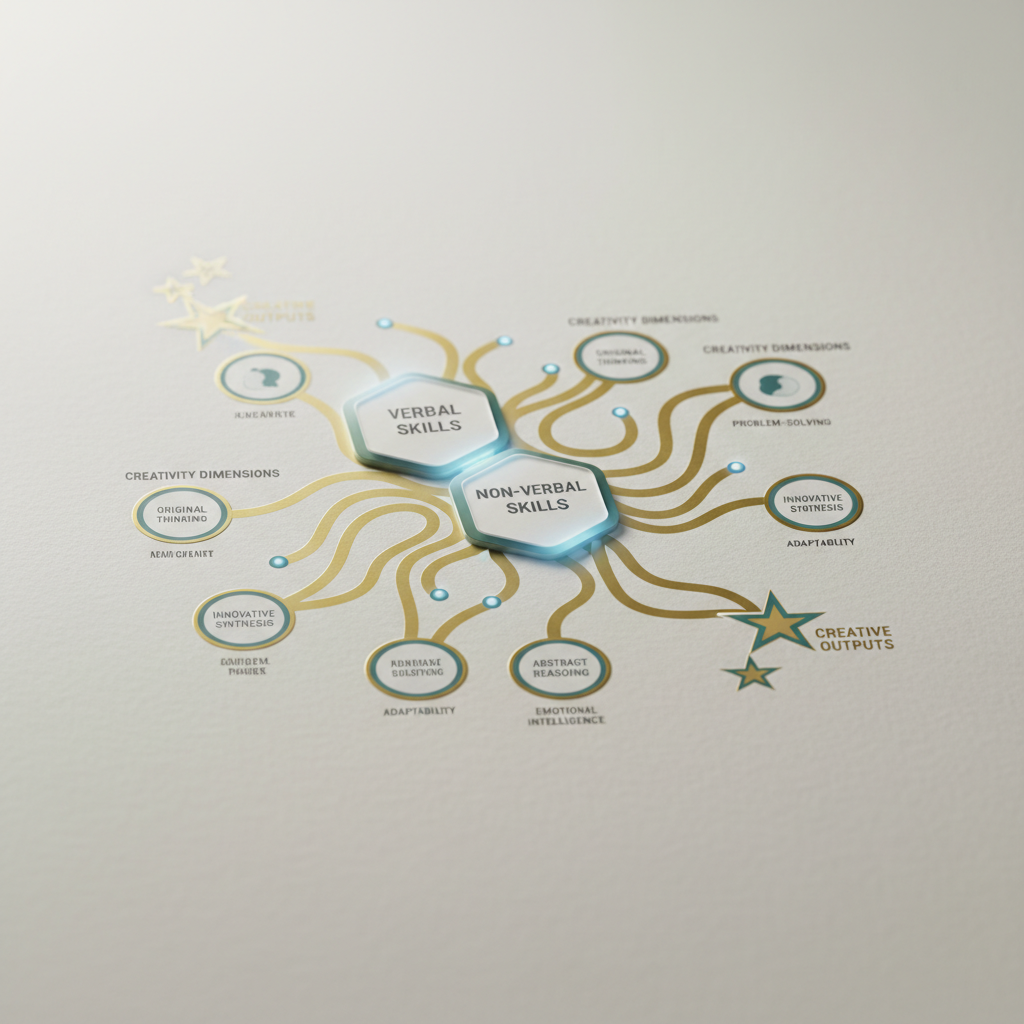
Verbal Skills and Idea Generation
Verbal skills are key in the early stages of creativity. They help you explain your thoughts and ideas clearly. This makes brainstorming much more effective.
Think about how you define a problem. Good verbal skills help you state challenges clearly. They also help you come up with many different ideas. You can then sort and build on these ideas.
Here’s how verbal abilities fuel your creative process:
- Brainstorming: You can list and describe many ideas quickly. This helps with divergent thinking, a key part of creativity.
- Concept Development: It’s easier to turn abstract thoughts into clear descriptions. This helps you refine new ideas.
- Storytelling: You can share your vision in a persuasive way. This helps convince others to support your creative projects.
- Problem Definition: Stating the main problem clearly is essential. This paves the way for creative solutions.
- Team Brainstorming: You need good language skills to share and build on ideas with others.
In short, verbal skills help you organize, express, and share your creative thoughts. They turn quick ideas into solid plans.
Non-Verbal Skills and Innovative Problem-Solving
Non-verbal skills are just as important for creativity, especially for design and getting things done. This means thinking in pictures, not just words. These skills help you see solutions in your mind.
Think about designing a new product or improving a process. Non-verbal skills help you spot patterns and connections others might miss. You can picture how objects move and fit together. This is key for hands-on innovation.
Key ways non-verbal abilities enhance your creativity include:
- Visualizing Solutions: You can picture how elements fit together. This is important for design, architecture, or engineering.
- Pattern Recognition: Finding trends or spotting what’s different leads to new ideas. This is helpful for solving complex problems.
- Spatial Reasoning: Understanding how parts fit together in a space is key. This helps you create designs that work well and look good.
- Hands-On Creating: A lot of creative work involves building or changing things. Non-verbal skills support this kind of practical work.
- Understanding Complex Systems: You can figure out how complex systems work without needing a long explanation. This helps you find natural solutions.
Ultimately, non-verbal skills help you turn abstract ideas into real, working creations. They build the bridge from an idea to a finished product.
Why a Balance is Key for Creative Potential
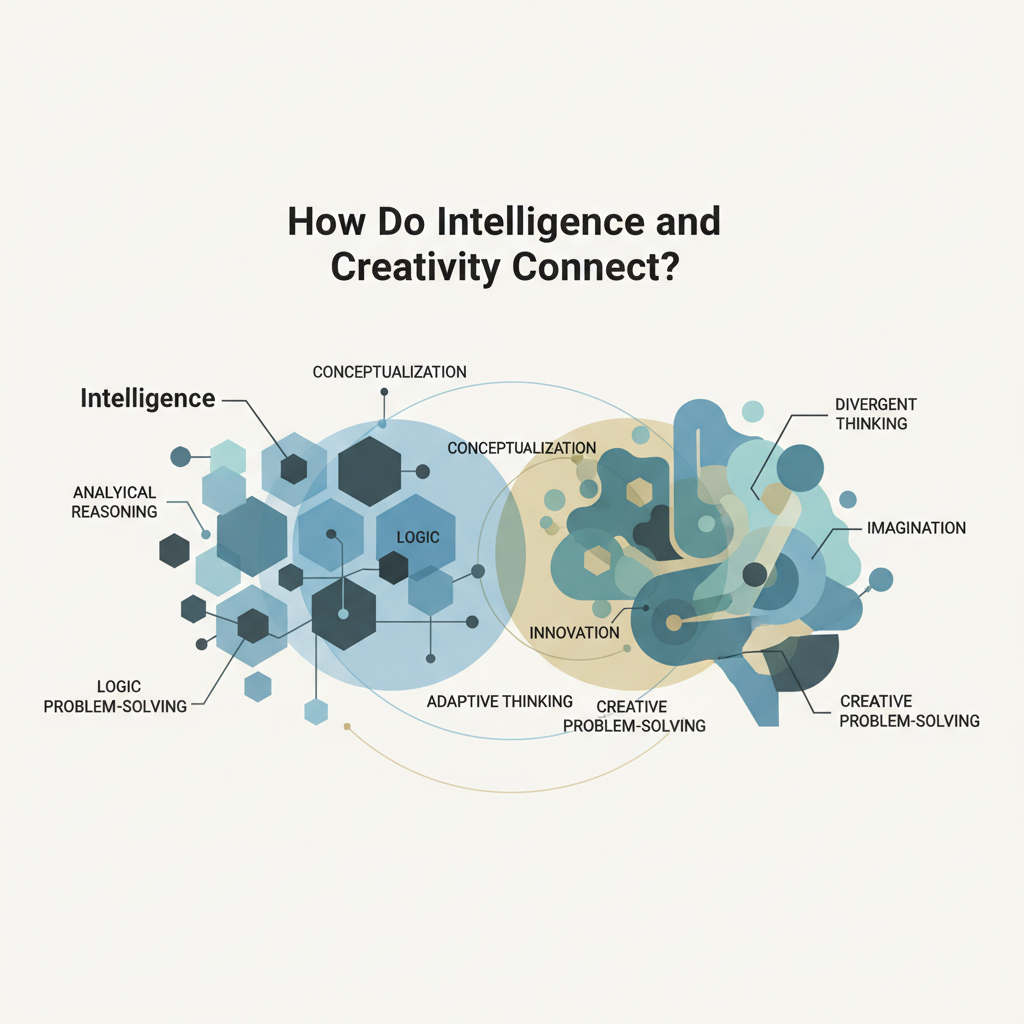
True creativity thrives when verbal and non-verbal skills work together. They aren’t separate skills. Instead, they support each other perfectly. A balanced approach leads to greater innovation.
For example, you might use non-verbal skills to spot a complex visual pattern. Then, your verbal skills help you explain why it’s important and share what you found. On the other hand, a clear verbal description of a problem can guide your non-verbal thinking to find a good design solution.
Consider the complete creative journey:
- From Idea to Impact: Verbal skills help you explain your first idea. Non-verbal skills then help you build and improve it.
- Well-Rounded Problem-Solving: You can look at problems using both words and visuals. This leads to better and more original solutions [5].
- Better Communication: You can explain complex ideas with both words and pictures. This helps your message connect with more people.
- Adaptability: A good balance lets you switch between different ways of thinking when you need to. This flexibility is a key trait of very creative people.
Understanding how these skills work together is a powerful step. It helps you see your own creative strengths. The Creative Ability Test offers a scientific way to explore these areas. It gives you personal insights into your thinking flexibility and problem-solving skills. Finding your balance helps you create practical steps to improve. This allows you to boost your creative skills for personal and professional growth.
What Are Some Examples of Verbal and Non-Verbal Test Questions?
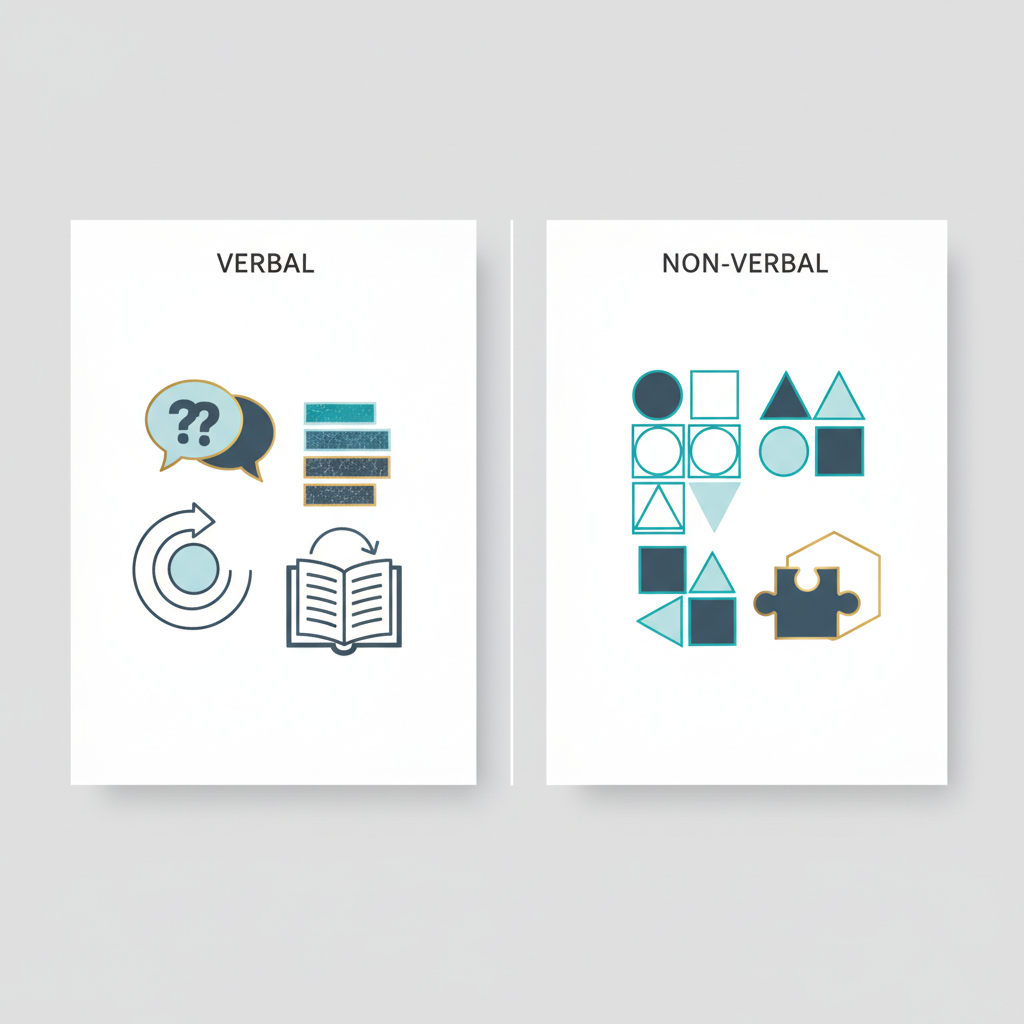
Common Verbal Test Examples
Verbal tests check how well you understand and use language. They show how you process information, share ideas, and grasp difficult concepts.
These tests also show how you think and connect ideas. This skill is key for sharing creative ideas and working well with others.
Here are some common types of verbal test questions:
- Analogies: These questions ask you to find the link between two words and apply it to a new pair. For example, “Apple is to Fruit as Carrot is to ______?” (Answer: Vegetable). This tests if you can spot connections and patterns.
- Vocabulary: You may be asked to define words, find synonyms, or pick the best word for a sentence. This shows your range of vocabulary and how clearly you communicate.
- Sentence Completion: You fill in the blanks to make a sentence logical and correct. This tests your understanding of context and subtle meanings. It also shows you can form clear thoughts.
- Reading Comprehension: You read a text and answer questions about it. This checks if you can find and understand information in writing. It’s a key skill for figuring out tough problems.
Knowing your verbal strengths can boost your creativity. It helps you define problems, brainstorm, and share your new solutions. Good verbal skills are the foundation for making strong arguments and telling great stories in any creative field.
Common Non-Verbal Test Examples
Non-verbal tests check how well you solve problems and reason with pictures and patterns. These tests don’t use words, so they measure your logic and spatial skills instead.
They are great for showing your ability to solve problems in new ways. These skills are important when you need to picture solutions or think up new designs.
Below are typical examples of non-verbal test questions:
- Matrix Reasoning: You see a grid of patterns with one missing piece. Your job is to pick the right piece from several options. This tests your ability to spot the rules and patterns in the images [2].
- Figure Completion: You are shown an incomplete picture and must choose the piece that finishes it. This tests how well you see shapes and understand how parts form a whole.
- Block Design: You arrange blocks to copy a given design. This directly tests your ability to picture and handle objects in space. It shows if you can take a design apart in your mind and put it back together.
- Picture Arrangement: You put a series of pictures in order to tell a story that makes sense. This tests if you can see cause-and-effect and order in pictures.
These non-verbal skills are key to many creative tasks. They help you picture complex systems, create new products, or manage detailed projects. Building these skills helps you think differently and find new solutions.
How Can You Apply This to Your Personal Growth?
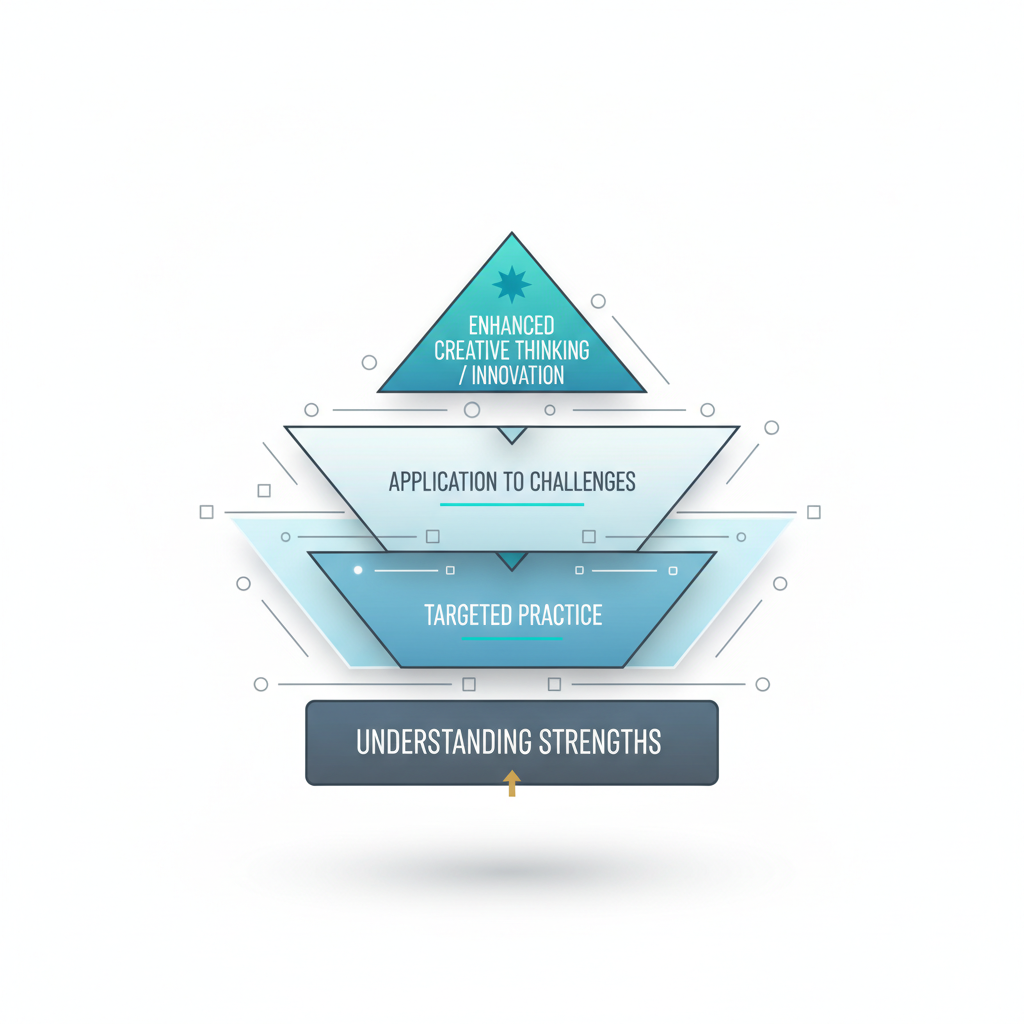
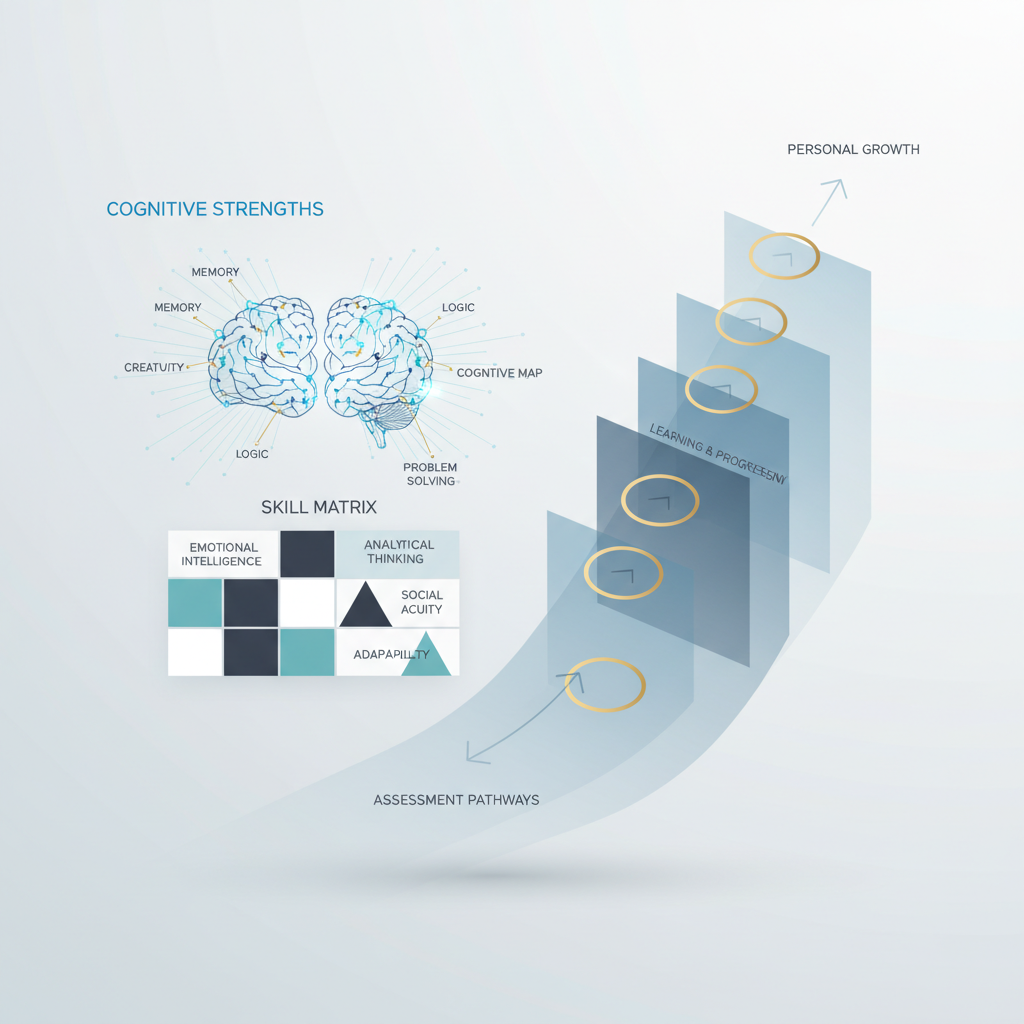
Identifying Your Cognitive Strengths
Understanding your verbal and non-verbal skills is a great first step. It helps you find your unique thinking strengths. Everyone takes in information differently. Knowing how you think best gives you useful self-awareness. It shows you how you naturally solve problems and come up with ideas.
For example, strong verbal skills often mean you are good with words. You might find it easy to explain complex thoughts. You may also enjoy making ideas clear to others. On the other hand, strong non-verbal skills suggest a talent for solving problems visually. You might quickly see patterns or how things fit together. This insight is the foundation for personal growth.
Finding these strengths isn’t about labeling yourself. Instead, it’s about discovering your natural talents. It helps you lean into what makes you unique. This knowledge helps you build on your creative thinking and tackle tasks with more confidence.
Using Your Strengths to Enhance Creative Thinking
Once you know how you think, you can find smart ways to be more creative. Your strengths are tools that you can use in new and interesting ways. Here are some practical tips:
- If you have strong verbal intelligence:
- Brainstorm with words: Use techniques like freewriting or word association. Generate many ideas quickly. [6]
- Narrate your ideas: Explain your ideas out loud. Telling a story can make complex thoughts clearer and help others see your vision.
- Challenge assumptions: Use words to question the way things are. Ask “why not?” or “what if?”.
- If you have strong non-verbal intelligence:
- Visualize solutions: Sketch out your ideas, or create mind maps and flowcharts. Drawing helps you organize complex ideas.
- Look for patterns: Use your skill to find connections and spot trends in data. This can lead to new solutions.
- Use spatial reasoning: Play with objects or ideas in your mind. Think about different ways to arrange them. This helps with design and problem-solving.
Also, balancing both ways of thinking is key to being fully creative. Try stepping out of your comfort zone. If you are good with words, try sketching. If you think in pictures, practice explaining your ideas with words. This mental flexibility will boost your overall creativity.
Discovering Your Full Potential with the Creative Ability Test
Are you ready to truly understand your creative side? The Creative Ability Test uses a science-based method that’s more than just a simple quiz. It gives you feedback just for you, helping you find your exact creative strengths and unique ways of thinking.
Our 30-question test looks at many sides of your creativity. You’ll get a clear picture of your mental flexibility and learn about your ability to come up with different ideas. The test shows you how you solve problems and create new things. This is useful for both your personal and professional life.
Your personal results give you clear steps to take, designed to help your creativity grow. You will get useful advice to help you use what you’ve learned about yourself in real life. Unlock your full potential. Turn your new understanding of creativity into real growth. Begin your journey of self-discovery today.
Frequently Asked Questions
What’s a good score on a non-verbal IQ test?
To understand a non-verbal IQ score, you need to see the bigger picture. IQ scores usually follow a bell curve, with the average score being 100 [7].
Most people, about 68%, score between 85 and 115. A score above 115 is considered above average. A score above 130 is often seen as very high.
A “good” score simply means you have strong thinking skills. Specifically, a higher non-verbal score points to excellent skills in:
- Pattern recognition
- Spatial reasoning
- Logical problem-solving without using language
These skills are very useful for creative thinking. They help you picture new solutions and see hidden connections. Your unique mix of thinking skills fuels your creative potential.
Remember, a single score doesn’t define everything you can do. It offers a look into specific thinking strengths. Our Creative Ability Test provides a more detailed picture of your creative thinking styles. It shows how you can use these strengths to grow and solve problems in new ways.
Is the Stanford-Binet test of intelligence verbal or nonverbal?
The Stanford-Binet intelligence test is very thorough. It measures both verbal and non-verbal skills. It is one of the oldest and most respected intelligence tests.
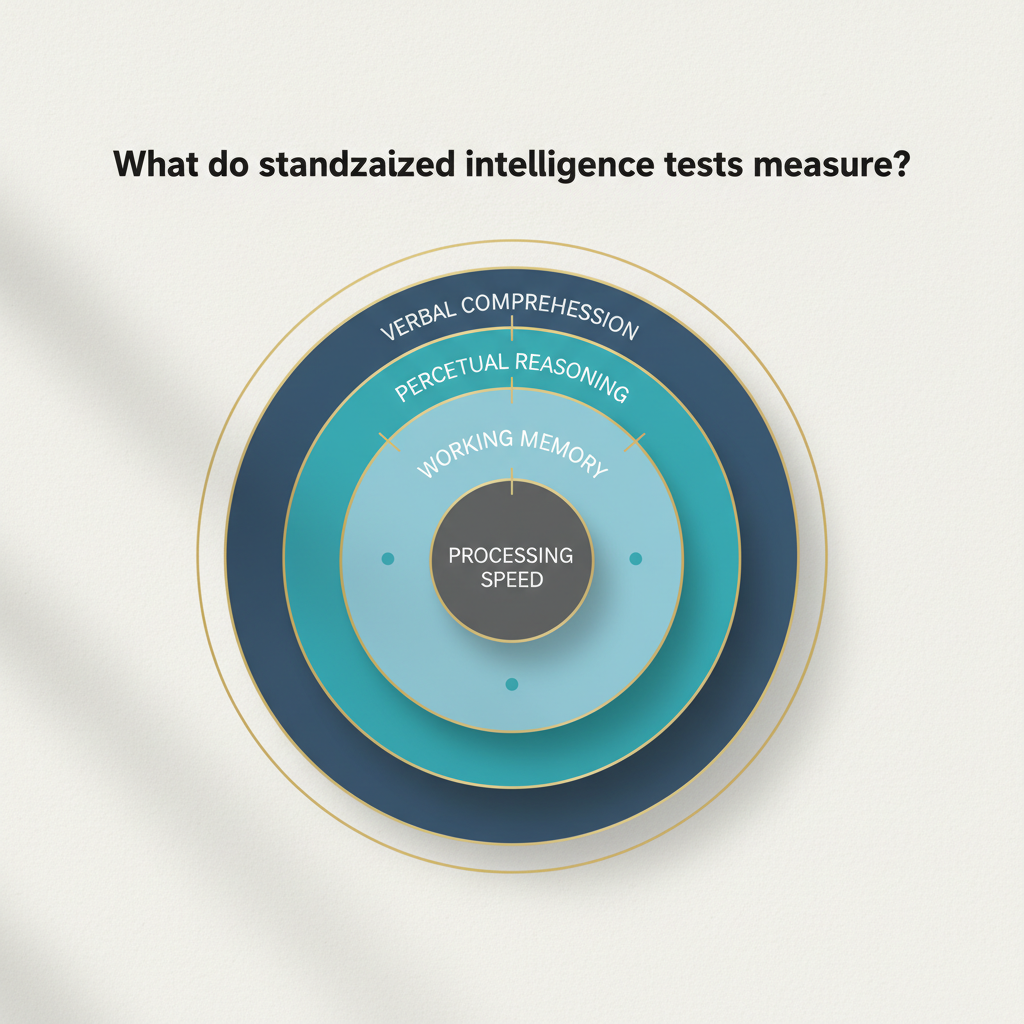
Newer versions, like the Stanford-Binet Intelligence Scales, Fifth Edition (SB5), measure a wide range of thinking skills [8]. This includes a mix of verbal and non-verbal sections. These sections test different areas.
The verbal sections measure:
- Vocabulary knowledge
- Verbal reasoning
- Language comprehension
The non-verbal sections test skills such as:
- Visual-spatial processing
- Abstract reasoning
- Working memory without words
Using both gives a fuller picture of a person’s intelligence. Creativity often uses both spoken ideas and visual insights. Knowing how these different but related skills work together is key to thinking in new ways.
What is the main difference between verbal and non verbal intelligence tests?
The main difference is how much they rely on language. Verbal intelligence tests use words and language. Non-verbal intelligence tests do not. Instead, they test skills using pictures, shapes, and patterns.
Both types of tests show your thinking strengths. Understanding these differences helps you see how different ways of thinking can make you more creative and better at solving problems.
| Feature | Verbal Intelligence Tests | Non-Verbal Intelligence Tests |
|---|---|---|
| Primary Focus | Understanding and using language | Problem-solving without language |
| Skills Measured |
|
|
| Examples of Questions | Synonym/Antonym pairs, sentence completion, word relationships | Matrix reasoning, block design, picture arrangement |
| Creative Application |
|
|
| Cultural Impact | Can be affected more by a person’s culture and language | Often seen as more fair to different cultures because they don’t depend on language |
Our Creative Ability Test looks at similar ways of thinking. We help you find your own creative strengths. This shows how you connect ideas, solve problems, and think in new ways. We give you useful tips to improve your creative skills, both with words and with visuals.
Sources
- https://howardgardner.com/multiple-intelligences/
- https://www.simplypsychology.org/intelligence.html
- https://www.apa.org/education-career/guide/science-nonverbal-communication
- https://www.ncbi.nlm.nih.gov/pmc/articles/PMC8900010/
- https://www.psychologytoday.com/us/basics/cognition
- https://hbr.org/2016/03/the-secret-to-great-brainstorming
- https://www.apa.org/topics/intelligence/iq-tests
- https://www.pearsonassessments.com/store/usassessments/en/Store/Professional-Assessments/Cognition/Stanford-Binet-Intelligence-Scales-Fifth-Edition/p/100000216.html