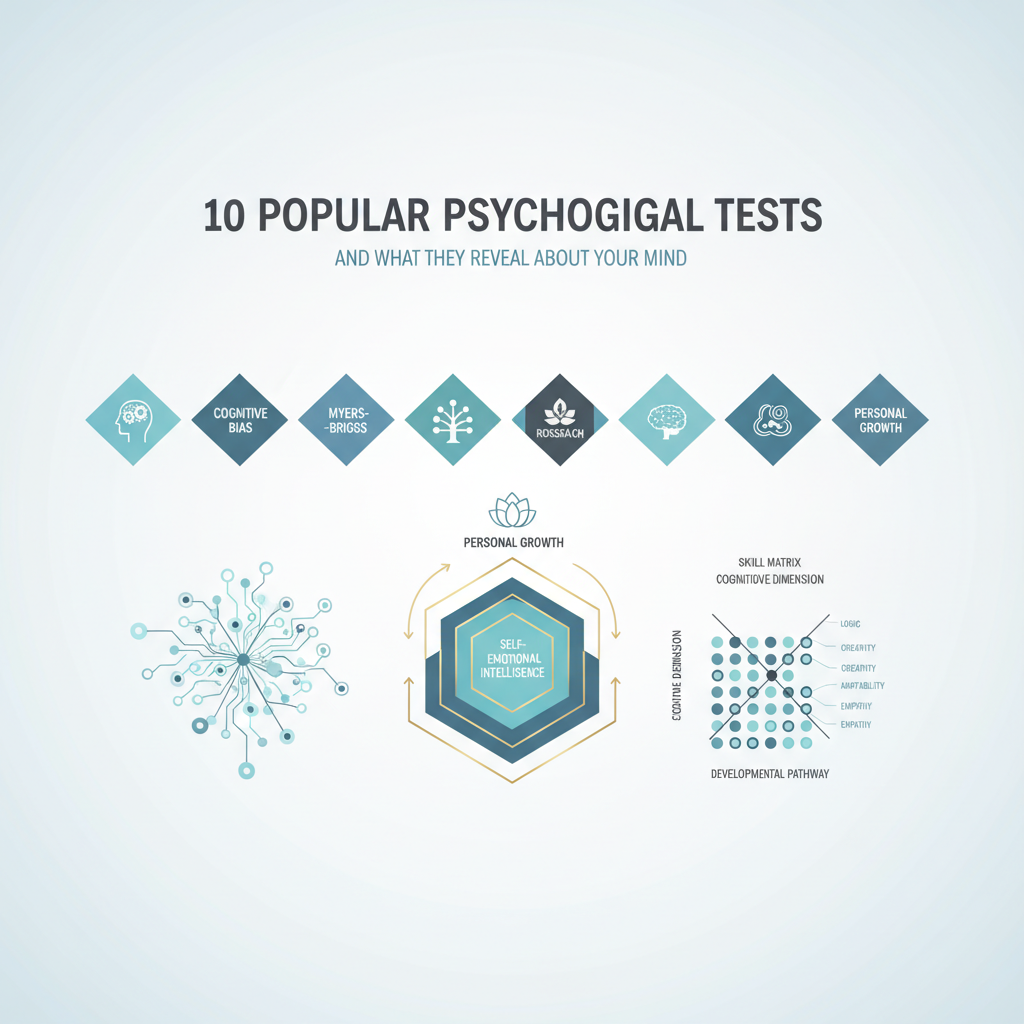
Popular psychological tests are standardized assessments designed to measure abstract concepts like personality, intelligence, aptitude, and cognitive abilities. Famous examples include personality inventories like the Myers-Briggs Type Indicator (MBTI), intelligence scales like the Stanford-Binet, and projective tests like the Rorschach Inkblot Test, all used to gain deeper insights into the human mind.
Have you ever wondered how your mind works? What drives your choices, shapes your personality, or sparks your best ideas? This curiosity is why popular psychological tests have been used for decades. They offer a look into how we think, feel, and what we’re capable of.
Psychological tests are a structured way to learn more about yourself. They can help you discover your personality traits or measure your cognitive abilities. But these tools can also show your creative strengths, how you think, and your approach to solving problems. Understanding these parts of yourself is key for personal and professional growth.
In this article, we will look at 10 well-known psychological assessments. We’ll explain their purpose and what they can reveal about you. These science-based tests shed light on everything from your personality to your creative potential, giving you useful insights to better understand and build on your strengths.
Why Are We So Curious About Psychological Tests?
From Self-Discovery to Professional Growth
We are all curious about ourselves. We want to understand what makes us tick. Psychological tests can help us on this journey by giving us a clear look into how our minds work.
These tests can reveal hidden talents and show us how we think. For example, you might learn you are good at divergent thinking, which means you can come up with many new ideas easily. Knowing this about yourself helps you grow.
Here’s how these insights can help you:
- Better Self-Awareness: Understand your strengths, like your creative skills and how you solve problems.
- Personal Growth: Knowing how you think builds confidence. It helps you make better choices for your future by using your natural talents.
- Career Growth: Learning about your mental flexibility is a big advantage. It helps you adapt to new challenges and become a better innovator at work.
Knowing your creative style helps you succeed. For instance, if you are open to new things, you’ll be more willing to embrace change—a key skill for innovation. The Creative Ability Test offers these personal insights. It turns confusion into clear, useful knowledge about yourself.
Understanding the Science Behind the Questions
You might wonder how psychological tests work. They are not just for fun. Good tests are based on solid science and are designed to give you information you can trust.
So, what does that mean?
- Reliability: A reliable test gives you the same results over and over. Think of a good scale—it shows the same weight every time you step on it.
- Validity: A valid test measures what it’s supposed to measure. So, a creativity test should actually measure your creativity, not something else [1].
Experts carefully design these questions using deep research on how people think and act. Specialists build and improve these tests to make sure the questions accurately measure specific skills.
Our Creative Ability Test meets these high standards. It is a 30-question test based on science. It measures several parts of creativity, including mental flexibility, how you generate new ideas, and your openness to new experiences. Our methods are based on proven creativity research, so you get feedback that is both accurate and helpful. This scientific approach ensures your personalized tips for growth really work. You can trust the insights from your results.
10 Famous Psychological Tests Explained
The Rorschach Inkblot Test
The Rorschach Inkblot Test is one of the most famous psychological tests. Hermann Rorschach created it in 1921. The test is known for its unique visual approach.
In this test, you look at ten ambiguous inkblots. Some are black and white, while others have color. Your task is to describe what you see in each one.
What It Reveals:
- It helps reveal your personality characteristics.
- It also looks at your emotional functioning.
- How you see these shapes can hint at your underlying thought patterns.
If you’re curious about creative thinking, interpreting abstract forms can be very insightful. This test shows how you find meaning in vague images. This skill is key for creative thinking and solving problems in new ways.
The Thematic Apperception Test (TAT)
The Thematic Apperception Test (TAT) asks you to be a storyteller. It was created in the 1930s by Henry Murray and Christiana Morgan. The test uses a set of pictures that are both interesting and unclear.
For each picture, you create a story. You’ll describe what’s happening, what led to the scene, and what the characters are thinking and feeling. Finally, you explain how the story ends.
What It Reveals:
- It helps psychologists understand your hidden needs and motivations.
- It also reveals how you view the social world.
- Your stories can show common themes in your thinking.
Storytelling is a core creative skill. The TAT shows your ability to use imagination and build a story. These skills are key for creating new ideas and sharing them well.
The Myers-Briggs Type Indicator (MBTI)
The Myers-Briggs Type Indicator (MBTI) is a popular questionnaire you fill out yourself. Isabel Myers and Katharine Briggs created it based on Carl Jung’s theory of psychological types. The test helps people learn about their own personality preferences.
It sorts people into one of 16 different personality types. These types are based on your preferences in four areas:
- Extraversion (E) or Introversion (I): How you focus your energy.
- Sensing (S) or Intuition (N): How you perceive information.
- Thinking (T) or Feeling (F): How you make decisions.
- Judging (J) or Perceiving (P): How you prefer to live your outer life.
What It Reveals:
- It offers insight into how you make decisions.
- It helps you understand how you interact with others.
- It can show what kind of learning and work environments you prefer.
Knowing your MBTI type can give you helpful clues about your creative style. For instance, people with a strong “Intuition” preference often show great creative potential [2]. Knowing your type can help you use your natural strengths for creative projects and personal growth.
The Big Five Personality Traits (OCEAN Model)
The Big Five, also known as the OCEAN model, is a common framework for personality. It describes personality using five main traits. This model is backed by a lot of research and offers a simple way to talk about personality.
These five traits are:
- Openness to Experience: How much you enjoy art, adventure, new ideas, and new experiences.
- Conscientiousness: How organized, disciplined, and responsible you are.
- Extraversion: How energetic, positive, and sociable you are.
- Agreeableness: How compassionate and cooperative you tend to be.
- Neuroticism (Emotional Stability): How easily you feel negative emotions.
What It Reveals:
- It gives a broad overview of your core personality.
- It helps predict how you might act in different situations.
- It’s a reliable way to understand why people are different.
When it comes to creativity, “Openness to Experience” is the most important trait. It is consistently linked to creative thinking and innovation [3]. Becoming more open can boost your creative potential. Our Creative Ability Test helps you explore how your unique traits support your creative journey.
The Minnesota Multiphasic Personality Inventory (MMPI)
The Minnesota Multiphasic Personality Inventory (MMPI) is a detailed psychological test. It is mainly used to assess mental health issues, but it also explores personality traits. This test is widely used in clinical settings to help professionals understand a person’s mental health.
The MMPI is a long questionnaire with hundreds of true/false questions. These questions cover a wide range of topics, including health, attitudes, and unusual experiences.
What It Reveals:
- It helps diagnose mental health conditions.
- It points out specific personality traits.
- It offers insights into emotional and behavioral patterns.
While this is not a direct measure of creativity, mental well-being is crucial. A healthy mind helps you think flexibly and solve problems. These skills are essential for being creative. Understanding your mental health can help your creativity grow.
The Stanford-Binet Intelligence Scale
The Stanford-Binet Intelligence Scale is one of the oldest intelligence tests, first developed in the early 20th century. This test measures thinking skills in people of all ages and looks at different types of intelligence.
The test has several parts, or subtests. These tasks measure skills like verbal and math reasoning, as well as visual-spatial skills. It also tests your working memory and problem-solving abilities.
What It Reveals:
- It gives you an IQ score, which shows your general thinking ability.
- It helps find your specific mental strengths and weaknesses.
- It can be used for educational and developmental planning.
High intelligence can help with solving complex problems, which is often part of creative work. But creativity is more than just a traditional IQ score. Our Creative Ability Test focuses on the unique aspects of creative potential. This helps you understand how you come up with new ideas.
The Wechsler Adult Intelligence Scale (WAIS)
The Wechsler Adult Intelligence Scale (WAIS) is another leading intelligence test. David Wechsler created it specifically for adults. The test measures different parts of a person’s thinking ability.
The WAIS is broken down into several main scores, including Verbal Comprehension, Perceptual Reasoning, Working Memory, and Processing Speed. Each main score is made up of several subtests that measure different thinking skills.
What It Reveals:
- It provides a full-scale IQ score.
- It offers detailed insight into your thinking strengths and weaknesses.
- It helps in clinical diagnosis and educational assessments.
Your thinking abilities are the foundation for creative thought. Creative people often use these mental tools in flexible and unusual ways. The WAIS shows how your mind processes information. Our platform helps you apply these cognitive strengths to creative challenges.
Projective Tests (e.g., Draw-A-Person)
Projective tests are a type of psychological test where people respond to unclear prompts or images. These tests are designed to reveal hidden thoughts, feelings, and conflicts. They offer a less structured way to look at personality.
Examples include the Draw-A-Person Test, where you simply draw a person. Other tests might ask you to complete sentences or tell stories about pictures. The lack of specific instructions allows for free expression.
What They Reveal:
- They can highlight unique expressive styles.
- They offer clues about how a person sees themselves.
- They may reveal hidden emotions or worries.
The freedom in these tests taps into your imagination. Your unique interpretations and artistic choices reflect your creative expression. These tests hint at how you see the world from your own unique point of view.
Tests for Specific Conditions (e.g., Beck Depression Inventory)
Many psychological tests focus on specific conditions. These tests help find or diagnose different mental health issues. They are key tools in clinical psychology that help guide treatment and support.
The Beck Depression Inventory (BDI) is a common example that helps measure the severity of depression. Other tests might screen for anxiety, ADHD, or trauma-related symptoms. These are usually questionnaires you fill out yourself.
What They Reveal:
- They offer a standard way to measure how severe symptoms are.
- They help with diagnosing specific mental health disorders.
- They track how well treatment is working over time.
Your mental health has a direct impact on your creative potential. Taking care of any mental health issues can free up your mind, which allows for greater focus and flexibility. A healthy mind helps your creative ideas flow better. Putting your mental health first is a big step toward personal growth and more creativity.
Creativity Assessments (e.g., Torrance Tests of Creative Thinking)
Creativity assessments are designed to directly measure creative thinking. They move beyond traditional intelligence tests to focus on how you come up with new ideas. They also look at how you solve problems in new ways.
The Torrance Tests of Creative Thinking (TTCT) are a leading example. Developed by E. Paul Torrance, they use different tasks that often involve divergent thinking. They ask you to come up with many ideas from one starting point.
What They Reveal:
- Fluency: How many ideas you can come up with.
- Originality: How unique your ideas are.
- Flexibility: How many different types of ideas you have.
- Elaboration: How detailed your ideas are.
These tests prove that creativity can be measured scientifically. They show that creativity has many different parts and is a skill that can be understood and developed. Our Creative Ability Test builds on this foundation. It offers a science-based test of your unique creative strengths. You get personal insights and real steps you can take to boost your creative potential.
How Do General Psychology Tests Relate to Creativity?
Uncovering Thinking Styles and Cognitive Flexibility
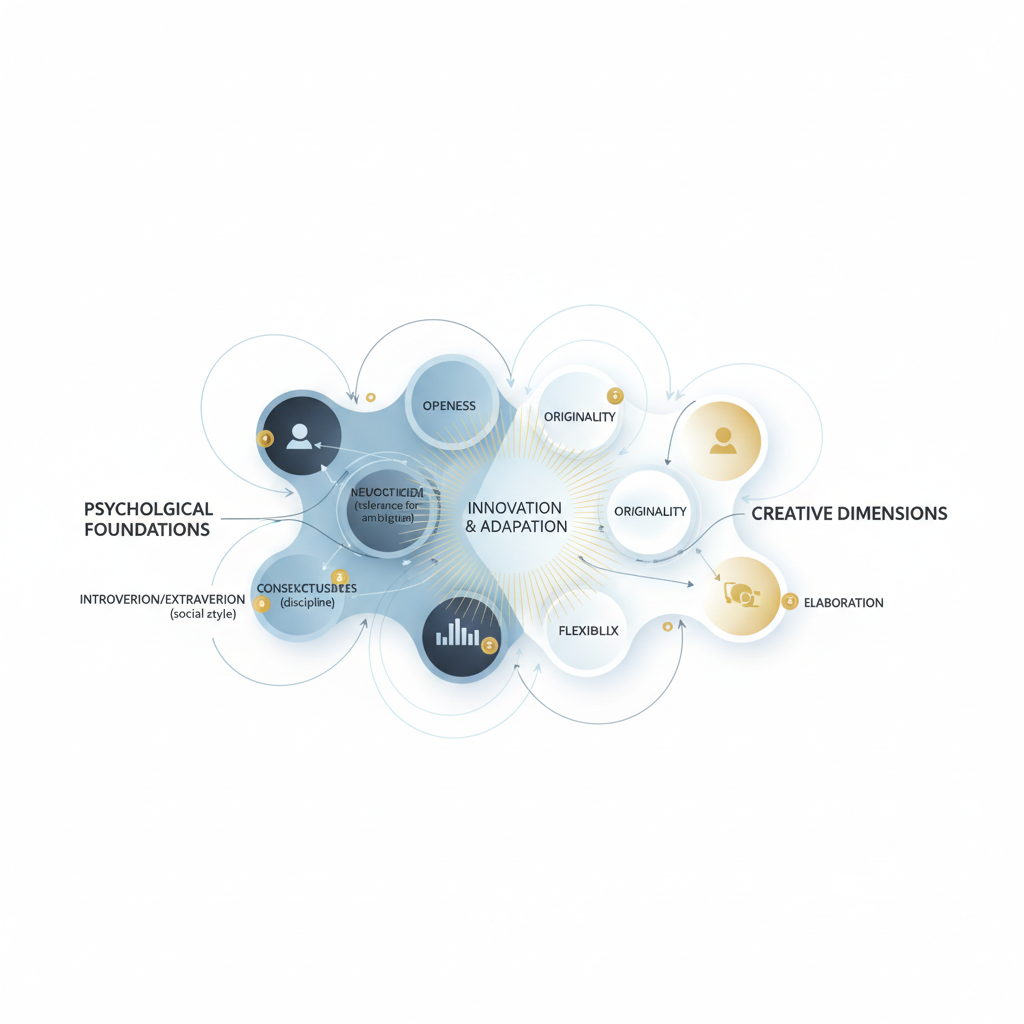
While many popular psychological tests don’t measure creativity directly, they can give you useful hints. These tests show key parts of how you think. Understanding them is the first step to unlocking your creative potential.
General psychology tests often show your thinking styles. They reveal how you process information and solve problems. Creative thinking depends on certain mental strengths.
One key strength is cognitive flexibility. This is your ability to switch between different ways of thinking. It helps you see things from many angles. Flexible thinkers can adapt easily to new challenges. This skill is vital for coming up with new ideas.
Tests can also hint at your divergent thinking skills. This is the ability to come up with many different ideas. For example, some tests show how well you connect ideas. Problem-solving tasks show if you look for creative solutions. This gives you a starting point.
Key mental traits linked to creativity include:
- Cognitive Flexibility: Easily switching between different ideas.
- Problem-Solving Skills: Finding new solutions to problems.
- Pattern Recognition: Seeing connections others might miss.
- Idea Generation: Coming up with many different ideas.
These general tests help you understand your basic mental skills. But a special test, like the Creative Ability Test, goes deeper. It measures how your thinking style leads to creative results. It also gives you personal tips to use your mental strengths for innovation.
Connecting Personality Traits to Creative Potential
Your personality plays a big part in your creative journey. Many psychological tests, especially for personality, can show this connection. They reveal natural tendencies that can help or hurt your creativity.
The “Big Five” personality traits are very helpful. Among them, “Openness to Experience” is a great sign of creativity [4]. People high in openness are often:
- Curious about the world.
- Imaginative and artistic.
- Intellectually adventurous.
- Willing to try new things.
- Open to unconventional ideas.
These traits are the building blocks of creative thinking. They encourage you to explore and create. But other traits help, too. For example, being conscientious helps people finish projects and turn ideas into reality. Introversion can lead to deep, focused thought, while extraversion can help with group brainstorming. Both paths can lead to creativity.
Knowing this helps you understand yourself better. It shows how your natural tendencies can help you be more creative. For instance, if you are a highly open person, you likely enjoy new experiences. This knowledge can help you.
However, personality tests give a general picture. The Creative Ability Test builds on this by turning these ideas into useful advice. It helps you use your personal traits to improve your creative problem-solving and grow as a person. Your personality becomes a guide to creating new things.
Ready to Explore Your Own Creative Potential?
Introducing the Creative Ability Test
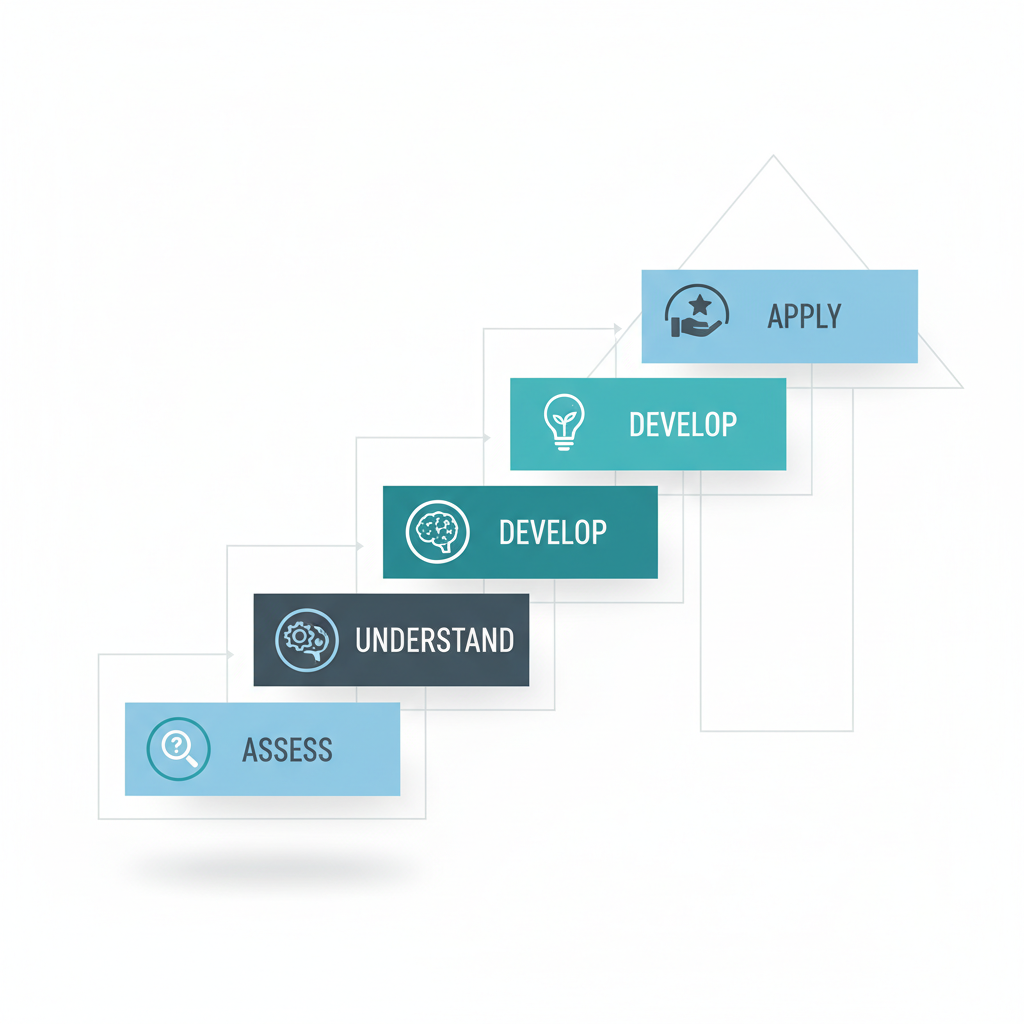
You may have tried other personality tests. Now, it’s time to discover your creative side. The Creative Ability Test is a clear path to understanding yourself better. It’s a powerful, science-based test made just for you.
Our test helps you measure, understand, and improve your creative skills. We believe everyone has a creative spark. The first step to using it is to understand it.
This 30-question test is more than a simple quiz. It looks at the key parts of creativity, like your ability to think in new ways, solve problems, and stay open to new ideas. Our method is based on proven research, so you get reliable and useful advice [5].
The Creative Ability Test is a personal journey. It helps you go from being unsure about your creative talents to knowing them clearly. This knowledge gives you clear steps for improvement. It’s a great tool for students, professionals, or anyone who wants to think more creatively.
What Your Results Can Teach You
Taking the Creative Ability Test gives you more than just a score. It’s like a map of your creative mind. Your personal report will highlight these key areas:
- Your Creative Strengths: Find out where you shine. Are you great at brainstorming lots of ideas, or are you better at finding one-of-a-kind solutions?
- Unique Thinking Styles: See how you naturally solve problems. Learn if you use divergent thinking (coming up with many options) or convergent thinking (finding the single best answer).
- Cognitive Flexibility: Learn how easily you can change your point of view and adapt your thinking. This is key for handling tricky problems and sparking new ideas.
- Problem-Solving Abilities: Get a clear picture of how you solve problems. You’ll learn to use creative thinking for challenges at work and in your daily life.
- Openness to Experience: See how open you are to new ideas, experiences, and different ways of doing things. This is a big part of being creative.
Your results give you practical steps you can take. For example, if you’re good at divergent thinking, you’ll get tips on how to brainstorm better. If you need to work on cognitive flexibility, you’ll get exercises to help you think in new ways.
This process turns a vague idea of creativity into clear, useful advice just for you. You’ll go from feeling creative only some of the time to having a clear plan to improve. Our goal is to help you use your creative skills with confidence in all parts of your life, helping you grow personally and professionally.
Frequently Asked Questions
What are popular psychological tests for students?
Students often take psychological tests to learn more about themselves, their learning styles, and possible career paths. These tests offer helpful insights for personal growth and success in school.
Here are some popular types of tests that can help students:
- Personality Inventories: Tools like the Big Five Personality Traits (often called OCEAN for Openness, Conscientiousness, Extraversion, Agreeableness, Neuroticism) help students understand their main personality traits. For example, being open to new experiences is closely tied to creative thinking and a desire to explore new ideas [6].
- Career Aptitude Tests: These tests look at a student’s interests and skills to suggest good career options. They can show where a student’s natural talents, like creative problem-solving, could shine.
- Learning Style Assessments: While the science behind some of these is debated, they aim to help students figure out how they learn best. Knowing your learning style can lead to better study habits and keep you more engaged.
- Creativity Assessments: For students who want to be more innovative, tests like the Torrance Tests of Creative Thinking measure brainstorming skills. Understanding your creative strengths, like originality, helps you use them in your studies and future job. Our Creative Ability Test gives you specific details on these skills, helping you grow your creative talent.
These tools give students specific, useful information about themselves. They offer a clear picture of their strengths and areas where they can improve.
What are the 4 types of psychological tests?
Psychological tests are grouped into types based on what they measure and how they work. Understanding these types helps to see what they are for and how they can be used.
Here are four main types of psychological tests:
- Personality Tests: These measure a person’s typical patterns of thinking, feeling, and acting. Examples include the Myers-Briggs Type Indicator (MBTI) and the Big Five Personality Traits. They help show how a person interacts with the world. Traits like openness to experience are good signs of creative talent.
- Intelligence/Ability Tests: These are made to measure thinking skills and intellectual potential. The Wechsler Adult Intelligence Scale (WAIS) is a famous example. These tests can show how well someone can think flexibly and solve problems, which are key parts of creativity.
- Aptitude Tests: These tests predict how well a person might learn a new skill in the future. They measure natural talents for certain tasks. For instance, a test might show a natural strength in language or spatial skills, which can both support creativity.
- Projective Tests: Unlike tests with clear right or wrong answers, these use vague images, like inkblots (Rorschach Test) or pictures (Thematic Apperception Test). The idea is that people reveal their hidden thoughts and feelings in their answers. While experts often debate how reliable they are, these tests aim to uncover deeper emotions.
Each type gives you a different way to look at your mind. If you’re interested in creativity, seeing these different tests shows how many parts of your mind work together to make you innovative.
Are there fun psychological tests to do on friends?
Absolutely! There are many fun and casual “psychological” quizzes you can do with friends. They are great for starting conversations and helping you think about yourselves in a relaxed way.
Here are a few ideas for fun, informal activities:
- Personality Quizzes: Many online quizzes based on pop culture or simple psychology ideas can be a lot of fun. They might tell you “Which Disney character are you?” or “What’s your spirit animal?” These are great icebreakers.
- “Would You Rather” Scenarios: Giving friends tough choices can show what they value, what’s important to them, and how they solve problems.
- Quick Creative Challenges: Ask friends to draw something from a simple idea, or brainstorm as many uses for a common object as they can. This gives you a peek at how creative they are on the spot.
- Simplified “Lie Detector” Games: Asking basic questions and watching reactions can be a fun way to interact. Just remember, these games are only for entertainment.
While these activities are great for bonding, it’s important to know they aren’t scientific. They don’t offer the reliable, deep insights that come from real, validated assessments. For true self-discovery and real steps to boost your creativity, platforms like Creative Ability Test offer a trusted approach based on science. We help you use your creativity to solve problems and create new things.
Sources
- https://www.apa.org/pubs/glossary/validity
- https://www.myersbriggs.org/my-mbti-personality-type/mbti-basics/
- https://psycnet.apa.org/record/2013-09415-001
- https://psycnet.apa.org/record/2009-08246-003
- https://www.frontiersin.org/articles/10.3389/fpsyg.2017.02100/full
- https://psycnet.apa.org/record/2012-07302-001