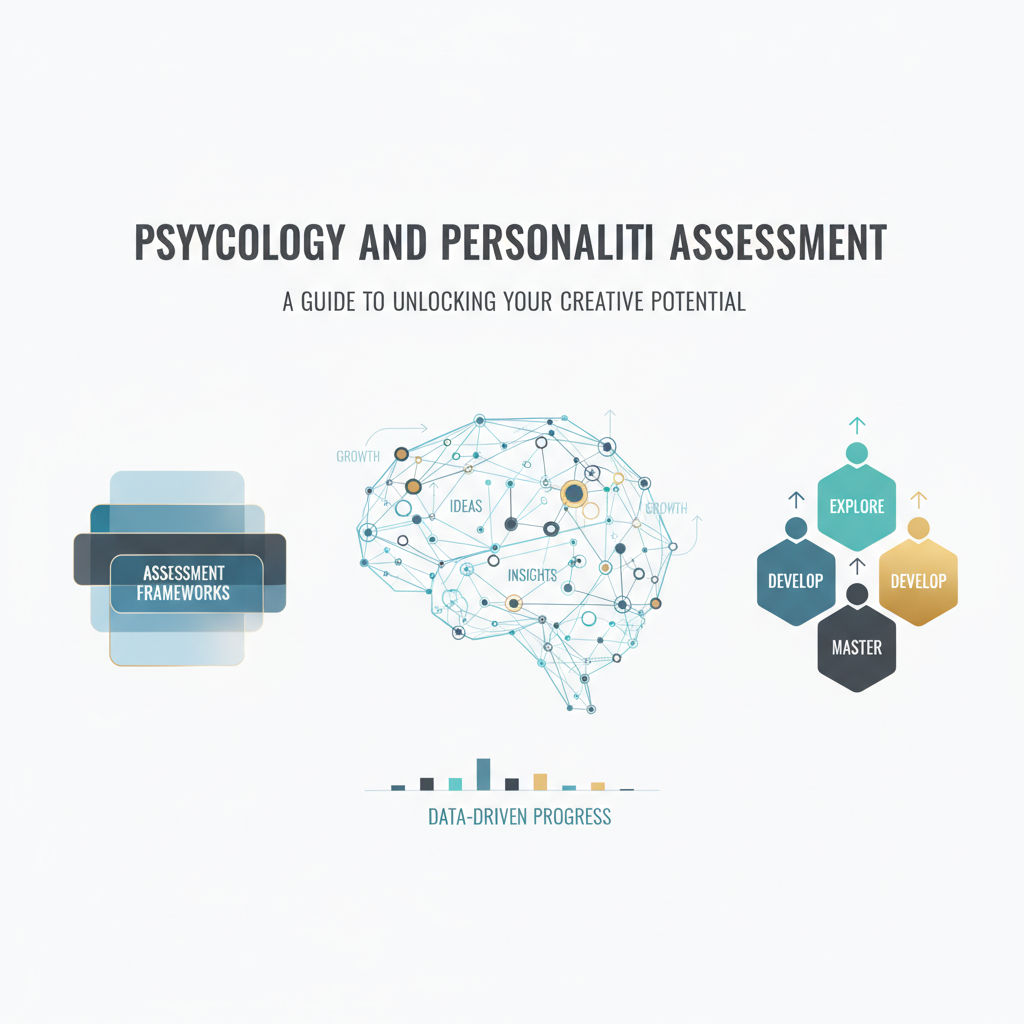
A psychology and personality assessment is a scientifically designed tool used to measure individual traits, cognitive styles, and behavioral patterns. When focused on creativity, these assessments identify key characteristics like openness to experience, divergent thinking, and problem-solving approaches, offering a clear roadmap to understanding and enhancing your creative potential.
Ever wonder where your best ideas come from, or how some people solve problems so creatively? Creativity is more than just being artistic. It’s a key part of how we think, find solutions, and adapt to new situations. By understanding your personal creative style, you can unlock skills you didn’t know you had and find better ways to grow.
This article explains how a science-based psychology and personality assessment can help you discover your unique creative strengths and thinking styles. We’ll explore how different personality traits and mental habits affect your ability to innovate. Our goal is to give you clear, practical information that helps you understand your own creative mind.
We make assessing creativity simple. This guide will help you understand the science behind your imagination. You’ll find out what these tests reveal, how personality shapes your creative work, and how to use what you learn in your daily life. Get ready to build confidence in your creative skills and apply them to real challenges.
What Can a Psychology and Personality Assessment Reveal About You?
Curious about your inner inventor? A personality assessment can reveal your unique way of thinking. These tools are not just simple surveys. They offer a scientific look at your creative skills and thought patterns. This helps you understand yourself better.
A good assessment is more than just a guess. It gives you reliable, science-backed insights into your natural talents. This clear picture is key to your personal and professional growth. It can even show you strengths you never knew you had.
Discovering Your Creative Strengths and Styles
First, an assessment helps identify your specific creative strengths by measuring different parts of creativity. For example, you might be good at coming up with many new ideas. This is called divergent thinking. Or maybe you are skilled at finding the one best answer. This is called convergent thinking.
You will learn about your unique cognitive styles, or your natural ways of thinking. Some people are natural “outside the box” thinkers. Others work best with a clear structure. Knowing your style helps you improve your creative process. It also lets you solve problems more effectively.
These tests often look at several key areas:
- Divergent Thinking: This is your skill for coming up with many different ideas. It’s key for brainstorming and finding new solutions. People who are strong in this area often see possibilities everywhere.
- Cognitive Flexibility: Can you switch your point of view easily? Cognitive flexibility helps you adapt and look at problems from different angles. This skill is vital for solving tough problems. [1]
- Openness to Experience: This personality trait is closely tied to creativity. It shows how willing you are to try new things and appreciate art and imagination. High openness often means you enjoy new experiences.
- Problem-Solving Approaches: Do you prefer logical or gut-feeling methods? Some people break problems down into smaller parts. Others trust their intuition. Knowing your style helps you use it more effectively.
- Innovation Skills: Assessments can measure your ability to be original. They show how comfortable you are with uncertainty. These insights help you develop groundbreaking ideas.
Boosting Personal Growth and Confidence
Gaining self-awareness is a key benefit. When you know your creative strengths, your confidence grows. You see why some tasks feel easy and why others are a struggle. This clarity is empowering.
The results also give you practical tips for improvement. For example, if you have trouble coming up with ideas, you’ll get techniques to help. If you’re great at having unique ideas, you’ll learn how to use that skill more often. This helps you grow in a clear, focused way.
Many people discover they are more creative than they thought. An assessment can confirm these hidden talents and give you a foundation for personal growth. You can then focus on developing your creative skills, leading to ongoing self-improvement.
Applying Insights to Real-World Challenges
These assessments are not just theoretical. They provide a practical guide for using what you learn. You’ll see how to apply your creativity every day—at work, in your hobbies, and in your personal life.
For professionals, these insights are very valuable. You can improve teamwork and find new ways to solve business problems. Students can choose subjects that better match their strengths. Everyone can use their creative skills to be better innovators and problem-solvers.
The Creative Ability Test offers a complete assessment that scientifically measures these areas. You receive personalized feedback to help you unlock your full creative potential.
How Does Personality Influence Your Creative Potential?
The Role of Key personality traits in Creativity
Your personality is a key driver of your creative potential. It shapes how you think, feel, and connect with the world. Certain traits can boost your creativity, while others might hold you back.
Psychologists often use tools like the “Big Five” personality traits to explore this link. These traits provide a solid way to understand how people differ [2]. They show us why some people are naturally more innovative.
Creativity is complex, but some traits are common in highly creative people. Learning about these traits helps you understand yourself better. It shows you your natural tendencies for creative thinking.
Key personality traits that influence creativity include:
- Openness to Experience: This is one of the most important traits for creativity. It means you are curious and willing to explore new ideas.
- Conscientiousness: While this trait can seem rigid, being somewhat conscientious helps turn creative ideas into real projects. It involves being disciplined and careful.
- Extraversion: Engaging with others and brainstorming can spark new ideas. However, introverts also show high creativity, often through deep reflection.
- Agreeableness: Agreeable people are often cooperative. This helps create a good environment for working on creative projects together.
- Neuroticism (Emotional Stability): While high neuroticism can be tough, the strong emotions that come with it can sometimes fuel artistic expression.
Our Creative Ability Test helps identify your mix of these traits. It shows you your personal creative strengths. Knowing this is key to helping you grow.
Understanding Openness to Experience
Openness to Experience is a key part of creativity. This trait shows how open you are to new and different ideas. People who are often innovating and exploring usually have this trait.
People with a high degree of openness are naturally curious. They enjoy trying new things. They also appreciate art, adventure, and unusual ideas. They tend to be imaginative and love to learn [3].
This trait helps creativity in a few ways:
- Intellectual Curiosity: You love learning and exploring complex concepts.
- Imagination: You can easily imagine new possibilities and abstract ideas.
- Aesthetic Sensitivity: You appreciate beauty and artistic expression in various forms.
- Unconventional Thinking: You are comfortable questioning the usual way of doing things and exploring different viewpoints.
- Emotional Breadth: You experience a wide range of emotions deeply.
For example, an open artist might try new materials. An open entrepreneur might try new business models. A scientist might explore research that combines different fields. All these actions come from a desire for new experiences and ideas.
The Creative Ability Test measures your level of openness. It helps you see how this key trait shapes your creative style. This knowledge allows you to use your natural curiosity to your advantage.
Connecting Cognitive Styles to Creative Problem-Solving
Creativity isn’t just about having good ideas. It’s also about how you handle information and solve problems. Your “cognitive style” is your usual way of thinking, seeing, and remembering things. These styles affect how you solve problems in a creative way.
Two main ways of thinking are key to creative problem-solving: divergent thinking and convergent thinking.
- Divergent Thinking: This is the ability to generate many different ideas from a single starting point. It involves exploring multiple solutions and possibilities. Brainstorming is a classic example of divergent thinking in action [4].
- Convergent Thinking: This style focuses on finding the one best answer to a problem. It uses logic and careful judgment. Choosing the best idea after brainstorming is an example of convergent thinking.
To solve problems creatively, you need to switch smoothly between these two styles. First, you use divergent thinking to create lots of options. Then, you use convergent thinking to choose the best one.
Cognitive flexibility is also very important. This is your ability to change how you think about a problem. It helps you adjust your plan when you run into something unexpected. Highly creative people are often very flexible in their thinking [5].
Our assessment shows where you are strong in these ways of thinking. It gives you a clear picture of how you solve problems. You’ll learn how you naturally come up with ideas and make choices. This insight can help you improve your creative skills in any situation.
What Are the Different Types of Psychology Assessments?
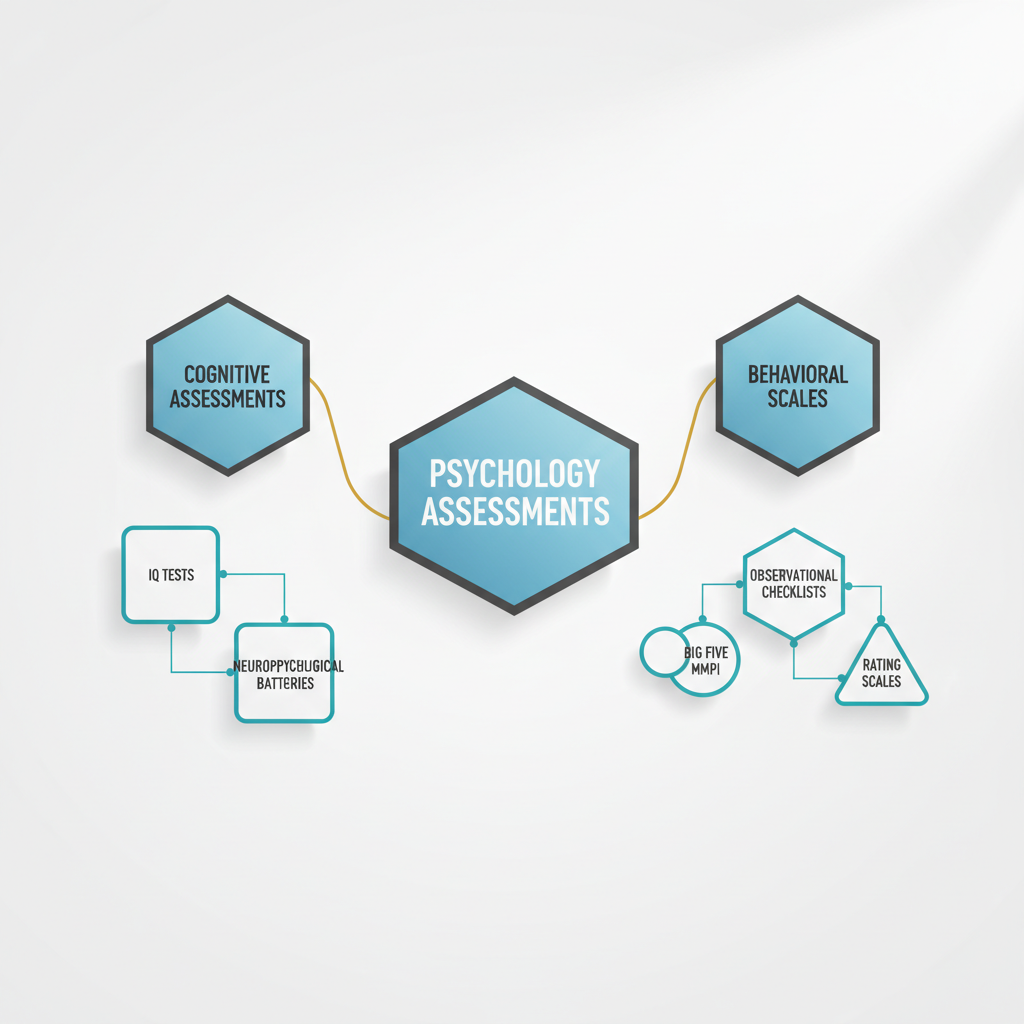
Self-Report Inventories vs. Projective Tests
Want to understand your creative mind? An assessment is a great place to start. Psychologists use different tools to explore personality and creativity. The two main types are self-report inventories and projective tests.
Self-report inventories are clear and simple. They ask you direct questions about your thoughts, feelings, and behaviors. You answer using a scale, like “strongly agree” to “strongly disagree.” These tests are easy to understand. They show you how you see yourself.
A creativity self-report might ask how you feel about unclear situations. It may ask about how you solve problems. You might rate how much you enjoy new experiences. This method gives you data that is easy to measure and understand. The Creative Ability Test uses this scientific approach. It measures specific parts of your creativity.
In contrast, projective tests are less direct. They use vague images or situations. A famous example is the Rorschach inkblot test [6]. Your answers are believed to show your hidden thoughts. They may reveal feelings or personality traits. The idea is that you “project” your inner self onto the vague image.
While interesting, these tests are often subjective. Their meaning can be interpreted in many ways. This makes them less reliable for measuring specific creative skills. They are not precise enough to guide your personal growth. For useful insights into your creative strengths, self-report inventories are the better choice.
How Scientifically-Grounded Assessments Work
A good assessment is more than just an opinion. Scientific assessments are built on careful research. They give you reliable insights into your creative potential. This strong foundation makes them accurate and useful.
These assessments follow key principles:
- Validity: Does the test measure what it says it will? A valid creativity test accurately measures creative skills.
- Reliability: Does the test give consistent results? If you take it again, your score should be about the same, unless you’ve changed.
- Standardization: The test is given and scored the same way for everyone. This allows for fair comparisons.
- Norms: Your results are compared to a large group of people. This shows you how your creative strengths compare to others.
These principles help measure key parts of creativity. This includes things like divergent thinking [7]. They also measure cognitive flexibility. Both are key skills for creative problem-solving. A good assessment helps you move from being unsure to understanding yourself better. It gives you a clear path for growth. The Creative Ability Test is built on these scientific standards. It gives you personal and practical insights.
Why Context Matters in Creativity Testing
Creativity isn’t a fixed trait. It’s a process that changes. Your environment has a big impact on it. That’s why the context of a creativity test matters.
Think about your daily life. You might feel more creative at home than at work under a tight deadline. Pressure can either help or hurt your ideas. Different tasks also require different types of creativity. Art is different from science or engineering.
Your personal state matters, too. Stress, mood, and motivation all play a role. A test result is just a snapshot in time. It shows your usual ways of thinking creatively. It shows how you normally handle challenges. But it doesn’t define you forever. It simply shows your natural tendencies.
The Creative Ability Test helps you understand your core creative strengths. It offers insights into your thinking styles. It then gives you practical tips. You can learn to be more creative in any situation. You can change your approach and use your skills in more ways. This helps you use your creativity to solve real-world problems.
How Can an Assessment Measure Your Unique Creative Strengths?
The Role of Key personality traits in Creativity
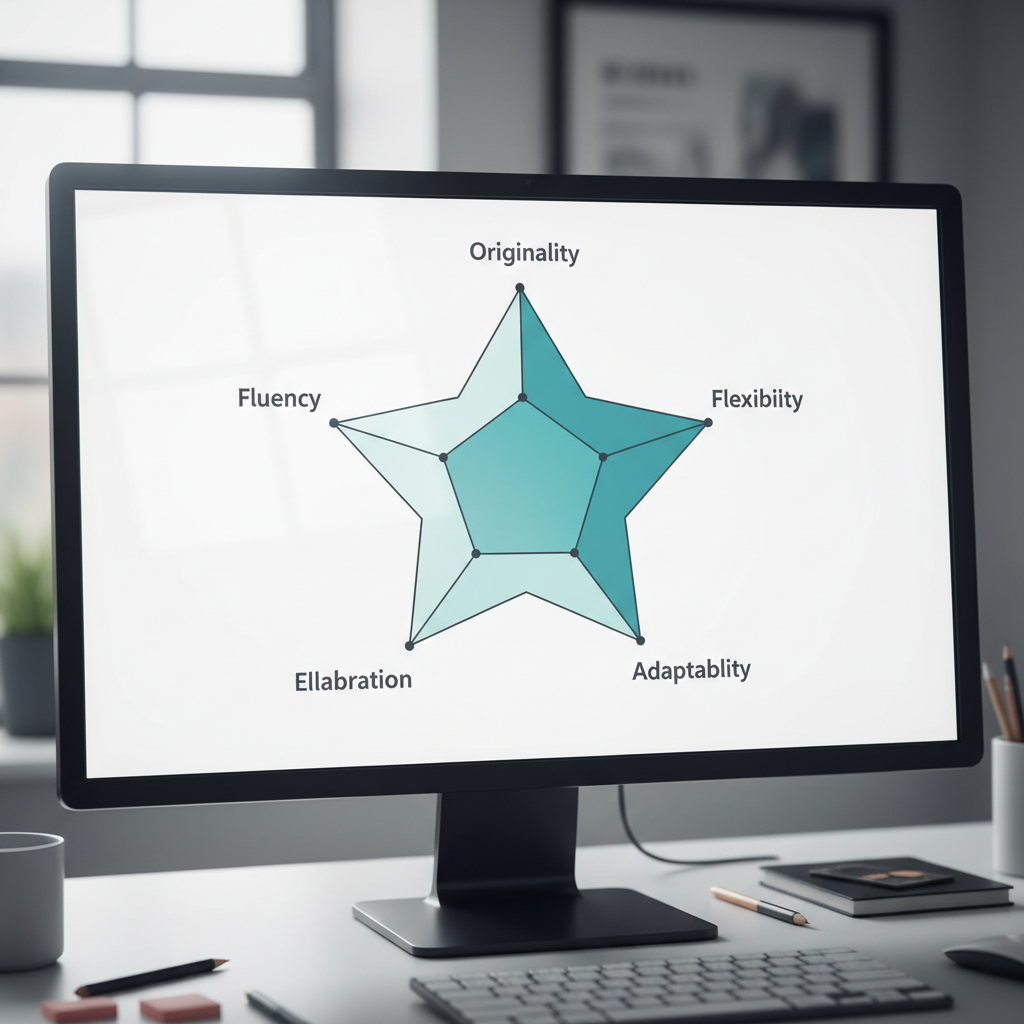
Your personality is a key driver of your creative potential. It shapes how you think, feel, and connect with the world. Certain traits can boost your creativity, while others might hold you back.
Psychologists use various Personality Assessment Models to explore this link, and tools like the “Big Five” personality traits provide a solid way to understand how people differ [2]. They show us why some people are naturally more innovative.
Creativity is complex, but some traits are common in highly creative people. Learning about these traits helps you understand yourself better. It shows you your natural tendencies for creative thinking.
Key personality traits that influence creativity include:
- Openness to Experience: This is one of the most important traits for creativity. It means you are curious and willing to explore new ideas.
- Conscientiousness: While this trait can seem rigid, being somewhat conscientious helps turn creative ideas into real projects. It involves being disciplined and careful.
- Extraversion: Engaging with others and brainstorming can spark new ideas. However, introverts also show high creativity, often through deep reflection.
- Agreeableness: Agreeable people are often cooperative. This helps create a good environment for working on creative projects together.
- Neuroticism (Emotional Stability): While high neuroticism can be tough, the strong emotions that come with it can sometimes fuel artistic expression.
Our Creative Ability Test helps identify your mix of these traits. It shows you your personal creative strengths. Knowing this is key to helping you grow.
How to Use Your Assessment Results for Personal and Professional Growth
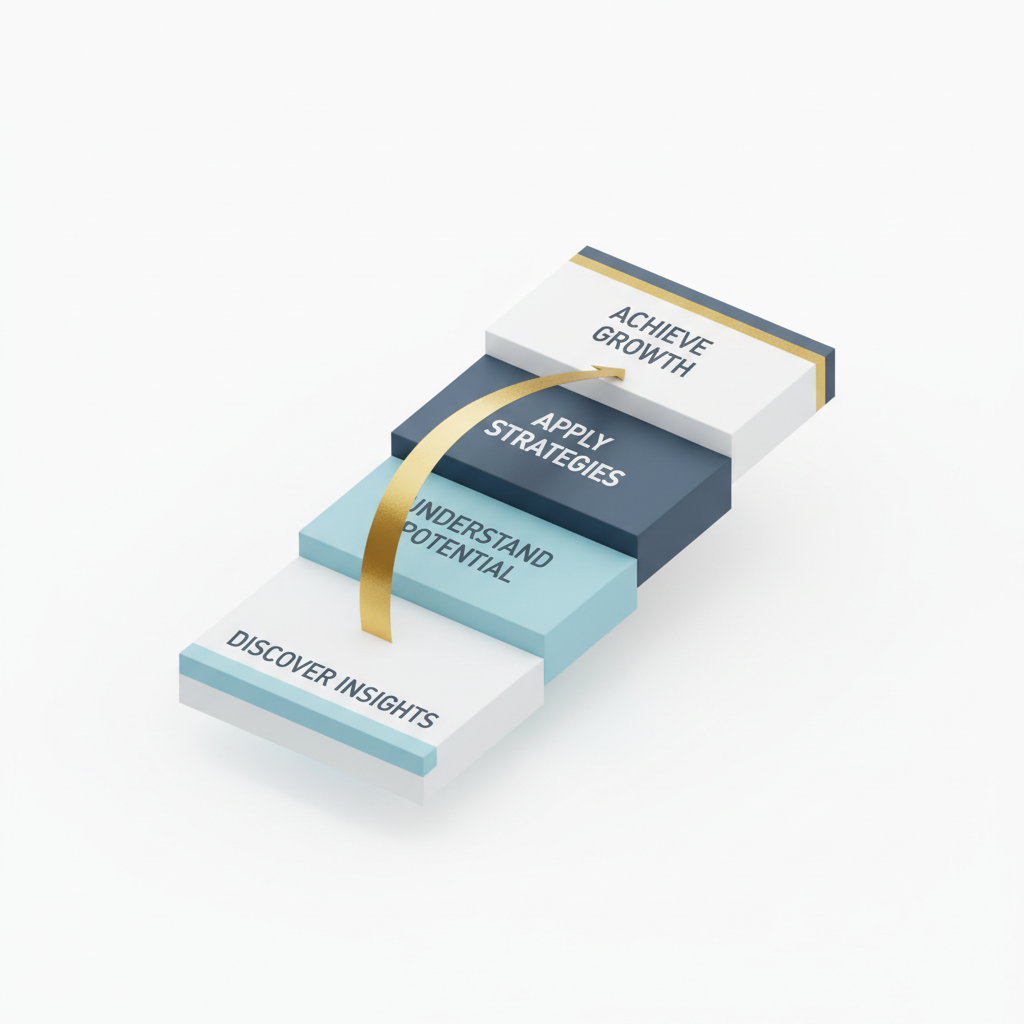
Applying Insights to Your Daily Work
Your Creative Ability Test results are a blueprint of your personal creative strengths. Using these insights can change how you work each day.
For example, if you score high in divergent thinking, you’re great at generating ideas. You can use this skill to lead brainstorming sessions or suggest new ways to solve old problems. This makes your work more valuable.
Also, if you have strong cognitive flexibility, you adapt easily and can switch your viewpoint quickly. This skill is very useful in busy workplaces and helps you handle unexpected challenges.
Consider these practical ways to use your results:
- Problem-Solving: Use your strengths to solve tough problems. If you have analytical skills, break down problems step by step. If you are more imaginative, explore new or unusual solutions.
- Decision-Making: Use your creative thinking to weigh your choices. Think about different results before you choose a path. This leads to stronger decisions.
- Team Collaboration: Share your creative profile with your team. This helps them understand you better. You can then use your strengths where they’re needed most. Encourage others to do the same.
- Innovation: Look for chances to create new processes or products. Your insights can spark new ideas in your role. Many companies value creativity in their employees [8].
Taking these steps turns self-awareness into real career growth. You’ll become a more effective and creative professional.
Developing Strategies to Enhance Creative Thinking
Your Creative Ability Test gives you personal feedback. It points to areas where you can improve your creativity. It shows what you do well and also where you can grow.
Improving creativity is a skill you can learn, not just a talent. It takes practice and the right methods. Many techniques are supported by science [9].
Here are some effective ways to boost your creative thinking:
- Embrace Divergent Thinking Exercises: If you want to improve your divergent thinking, try “uses for an object” games. Think of as many new uses as you can for a brick or paperclip. This trains your brain to think in new ways.
- Cultivate Cognitive Flexibility: Question what you think you know. Look at problems from different angles. Read books on new topics. Talk with people who have different views.
- Practice Mind Mapping: This visual tool helps organize your thoughts. Start with a main idea and then add related words and concepts. It helps you make connections and create more ideas.
- Engage in Brainstorming Sessions: Take part in or lead brainstorming. At first, focus on the number of ideas, not the quality. Don’t judge ideas right away.
- Seek New Experiences: Trying new things sparks creativity. Travel, learn a new skill, or visit a museum. New experiences give you new ideas.
- Reflect and Journal: Think about how you create. What worked well? What got in your way? Journaling can help you see patterns and learn about yourself.
Using these strategies regularly will make you more creative. This helps you produce new and better ideas more often.
Building Confidence in Your Innovative Abilities
Many people doubt they are creative. Your test results give you proof of your natural creative strengths. Knowing this is a great way to build your confidence.
Seeing your unique creative profile helps you understand your value. You’ll see that creativity isn’t just for art or music. It’s also about solving problems and adapting to change in all parts of your life.
This will help you share your ideas with confidence and trust your instincts. Your test results are proof of your unique talents, which helps you overcome self-doubt.
Consider these points for building confidence:
- Acknowledge Your Strengths: Your report shows your natural strengths. Celebrate them. Understand how they can help you succeed.
- Understand Your Creative Process: Knowing how you think is helpful. It lets you trust your own way of doing things. This helps you stop comparing yourself to others.
- Embrace Imperfection: Creativity means trying new things. Not every idea will be a success. See mistakes as chances to learn. Bouncing back is an important part of being creative.
- Share Your Ideas: Start by sharing small ideas with people you trust at work. As you get good feedback, your confidence will grow. Your voice matters.
- Recognize Small Wins: Did you solve a problem in a new way today? Did you offer a new viewpoint? Notice these moments. They help you build confidence in your skills.
Your Creative Ability Test is more than a score. It is a guide to understanding yourself. It gives you the power to be more creative and confident.
Ready to Discover Your Creative Potential?
Take the Creative Ability Test Today
You’ve learned how psychology and personality affect creativity. Now, it’s time to take action. Discover your unique creative strengths and start your journey today.
The Creative Ability Test gives you a clear next step. It is a 30-question test backed by science that measures different parts of your creativity. Research shows that creativity can be measured and improved [10].
Taking the test helps you:
- Understand your thinking style: Discover how you approach problems and come up with new ideas.
- Identify creative strengths: Find your specific talents, such as originality and flexibility.
- Measure cognitive agility: See how easily you adapt and think in new ways.
- Gain personalized feedback: Get feedback and insights made just for you.
- Access actionable strategies: Learn practical ways to boost your creativity.
This test is more than a score—it’s a guide to help you grow. You’ll go from feeling unsure to understanding yourself clearly. Turn random bursts of creativity into steady progress and become more confident in your ideas.
Ready to understand how your creativity works? Want to find new ways to solve problems and be more innovative?
Take the Creative Ability Test today. Start building a future where your creative potential shines. Your journey to deeper self-discovery begins here.
Frequently Asked Questions
What questions are in a psychology and personality assessment?
Psychology and personality tests ask different kinds of questions. They are designed to learn about how you think, act, and what you prefer. Our Creative Ability Test, for example, has 30 science-backed questions. Each one helps measure your unique creative strengths.
You’ll be asked about a few key areas:
- Cognitive Flexibility: These questions check how well you adapt your thinking. They look at how easily you switch perspectives to solve a problem.
- Divergent Thinking: This measures your ability to come up with many unique ideas. It looks at how you brainstorm and find more than one solution.
- Problem-Solving Skills: You may see situations that need a creative solution. These questions show how you like to handle challenges.
- Openness to Experience: Tests often ask about your curiosity and if you’re willing to try new things. This is a key part of being creative [11].
- Self-Reflection: Many questions will ask what you usually do or prefer. For instance, “Do you like thinking about big ideas?” or “How do you act in new situations?” This helps create a full picture of your personality.
The goal isn’t to find a “right” answer. Instead, these questions help us understand your unique creative style and way of thinking. This gives you personal and useful tips about your strengths.
Can I get a psychology and personality assessment for free?
Many websites offer free “personality quizzes” or “creativity tests.” But how accurate or deep they are can vary a lot. While fun, they often don’t have the deep research and science that professional tests do.
A truly helpful test, like our Creative Ability Test, is built on a lot of scientific work. This includes:
- Validated Methods: Our test is based on proven psychology ideas. It uses methods backed by evidence to make sure it’s accurate and reliable [12].
- Detailed Feedback: We give you more than just a score. You get personal feedback and tips based on your unique results.
- Useful Growth Tips: The goal is to help you understand how you create. We also give you practical tips to improve your creative thinking and problem-solving skills.
Paying for a high-quality test is an investment in yourself. It gives you deep, useful information for your personal and work life. While free tests are out there, they usually can’t offer this much detail or scientific backing.
What is a personality assessment?
A personality assessment is a tool used to measure your usual ways of thinking, feeling, and acting. Psychologists use these tests to learn more about you, including your common traits, what drives you, and what you like.
These tests look deeper than what you see on the surface. They explore the core parts of who you are. For instance, some well-known models measure traits like neuroticism, extraversion, and conscientiousness [13]. Our Creative Ability Test focuses on the parts of personality that are important for creativity, such as:
- Openness to Experience: How willing you are to explore new ideas, art, and different ways of thinking.
- Cognitive Flexibility: How easily you can shift between different concepts or problem-solving approaches.
- Curiosity: Your drive to explore and learn new things.
By understanding these traits, a personality test helps you understand yourself better. It shows your natural strengths and where you can grow. This knowledge is very powerful. You can use it to grow as a person, succeed at work, and solve problems in new ways.
Sources
- https://psycnet.apa.org/record/2012-00566-001
- https://www.psychologytoday.com/us/basics/big-5-personality
- https://journals.sagepub.com/doi/abs/10.1177/0963721415581026
- https://psycnet.apa.org/record/2012-00566-004
- https://www.sciencedirect.com/science/article/pii/S001002851930262X
- https://www.simplypsychology.org/rorschach-inkblot-test.html
- https://psychology.jrank.org/pages/183/Divergent-Thinking.html
- https://hbr.org/2019/04/the-most-important-skill-for-the-future-of-work-is-creativity
- https://www.apa.org/pubs/journals/releases/xge-a0033285
- https://www.apa.org/pubs/journals/releases/amp-a0033092.pdf
- https://psycnet.apa.org/record/2012-07316-001
- https://www.apa.org/pubs/books/validity-test-interpretation
- https://www.simplypsychology.org/big-five-personality.html
Leave a Reply