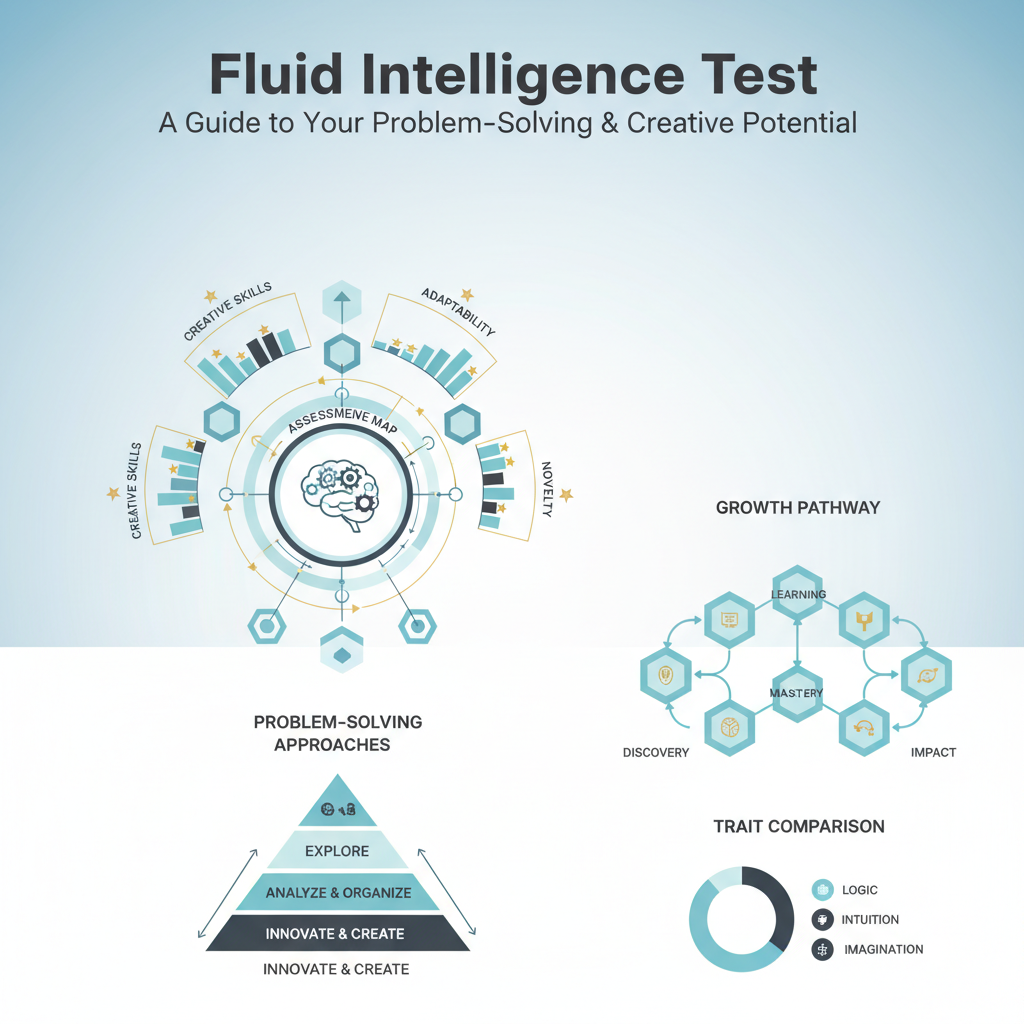
A fluid intelligence test is a psychological assessment designed to measure your ability to reason, solve novel problems, and identify patterns, independent of any previously acquired knowledge. It evaluates your capacity for abstract thinking and strategic problem-solving, which are core components of creative ability and adaptability.
Have you ever faced a new problem and instantly seen a solution, without relying on past experience? That natural ability to think on your feet and solve new challenges is a key part of creativity. It’s called fluid intelligence, and it’s what powers innovative thinking and quick problem-solving. Understanding this basic part of how you think can give you a better grasp of your creative potential.
This article will explain fluid intelligence and show you how it supports creative thinking. We will look at what a fluid intelligence test measures, how it differs from other types of intelligence, and give clear examples of its challenges. By explaining this key thinking skill, we hope to give you a clearer picture of your own thinking style and how it helps you come up with fresh ideas.
A fluid intelligence test can be a valuable tool for self-discovery. It can help you understand your natural strengths and offer useful tips to improve your creative problem-solving skills for both personal and professional growth. Let’s start by looking at what a fluid intelligence test involves and why it’s so important for creativity.
What is a Fluid Intelligence Test and Why Does It Matter for Creativity?
Understanding the Core of Raw Problem-Solving
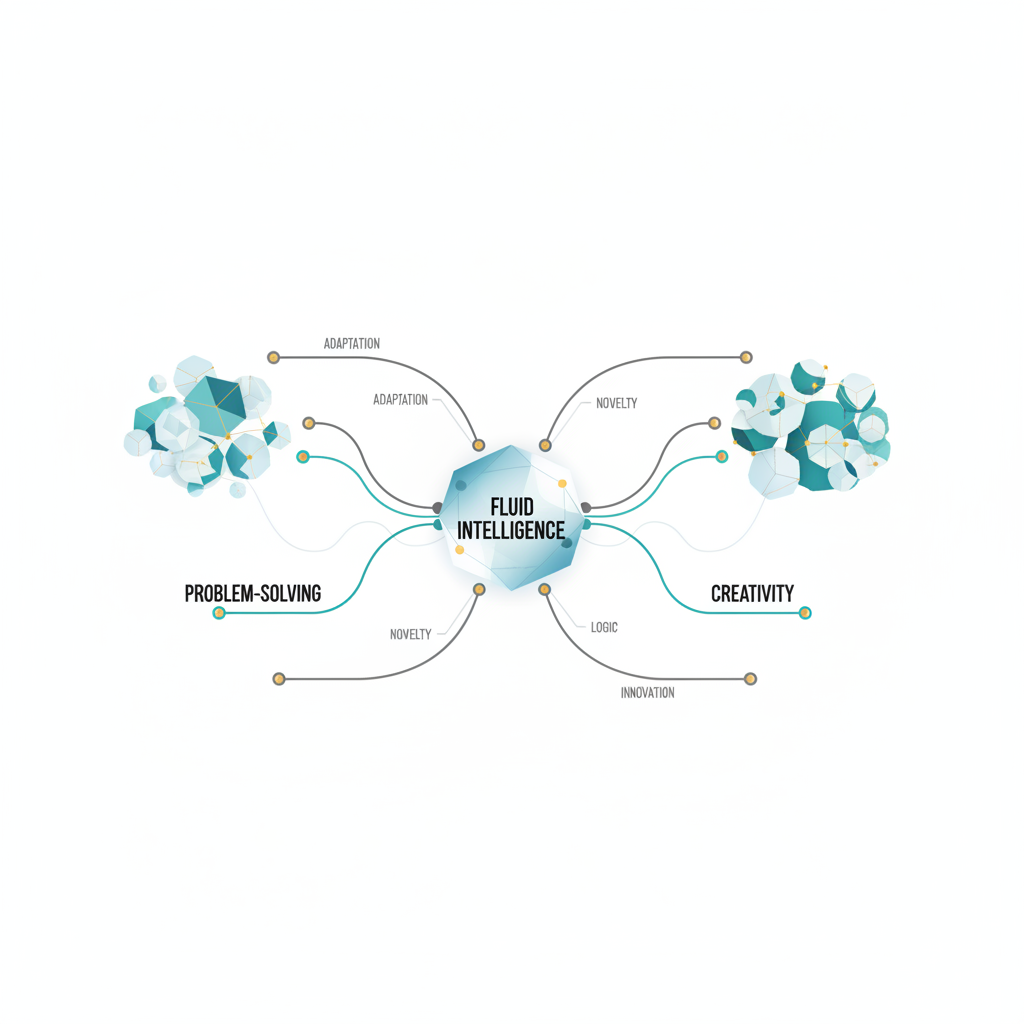
What is fluid intelligence? In short, it’s the ability to think on your feet. This skill helps you solve new problems [1]. You use it to apply logic, spot patterns, and see how things are connected. You can do all this without any past experience or special training.
Think of it as your raw mental horsepower. It’s your natural ability to reason and tackle new challenges. For example, you might use it to figure out a new puzzle or find a quick fix for a surprise problem. Fluid intelligence is all about adapting to new situations and learning as you go.
This core ability is key to living in a changing world. It lets you process new information quickly and draw logical conclusions. By understanding your fluid intelligence, you can see how well you handle brand-new challenges. This insight is a big step toward self-awareness and personal growth.
How Fluid Intelligence Fuels Creative Thinking and Innovation
Fluid intelligence isn’t just for puzzles. It’s a powerful engine for creative and innovative thinking. It directly supports the creative process by helping you come up with fresh ideas and new solutions.
Here’s how fluid intelligence boosts your creativity:
- Divergent Thinking: This is the ability to brainstorm many different ideas. Fluid intelligence helps you connect unrelated concepts quickly. This allows you to come up with a wide variety of unique options.
- Cognitive Flexibility: Creative people can easily change their point of view and adapt how they think. Fluid intelligence is what makes this mental agility possible. It helps you look at problems from different angles.
- Problem-Solving Novelty: Creativity often means solving problems without a clear roadmap. Fluid intelligence helps you grasp complex, vague problems and then create original, effective solutions.
- Pattern Recognition: Creative people often see hidden connections and patterns that others miss. This ability to spot and understand new patterns is a key sign of strong fluid intelligence. It can lead to major breakthroughs.
- Innovation Skills: Innovation—from art to science—requires new ways of thinking. Fluid intelligence provides the base for this. It allows you to form, test, and improve new ideas.
Improving your fluid intelligence can give your creativity a major boost. Our Creative Ability Test can help you understand your core mental strengths. It gives you personalized insights into how you think and offers practical steps to improve your problem-solving and innovation skills. This helps you grow both personally and professionally.
How Does Fluid Intelligence Differ From Crystallized Intelligence?
Fluid Intelligence: Thinking on Your Feet with New Problems
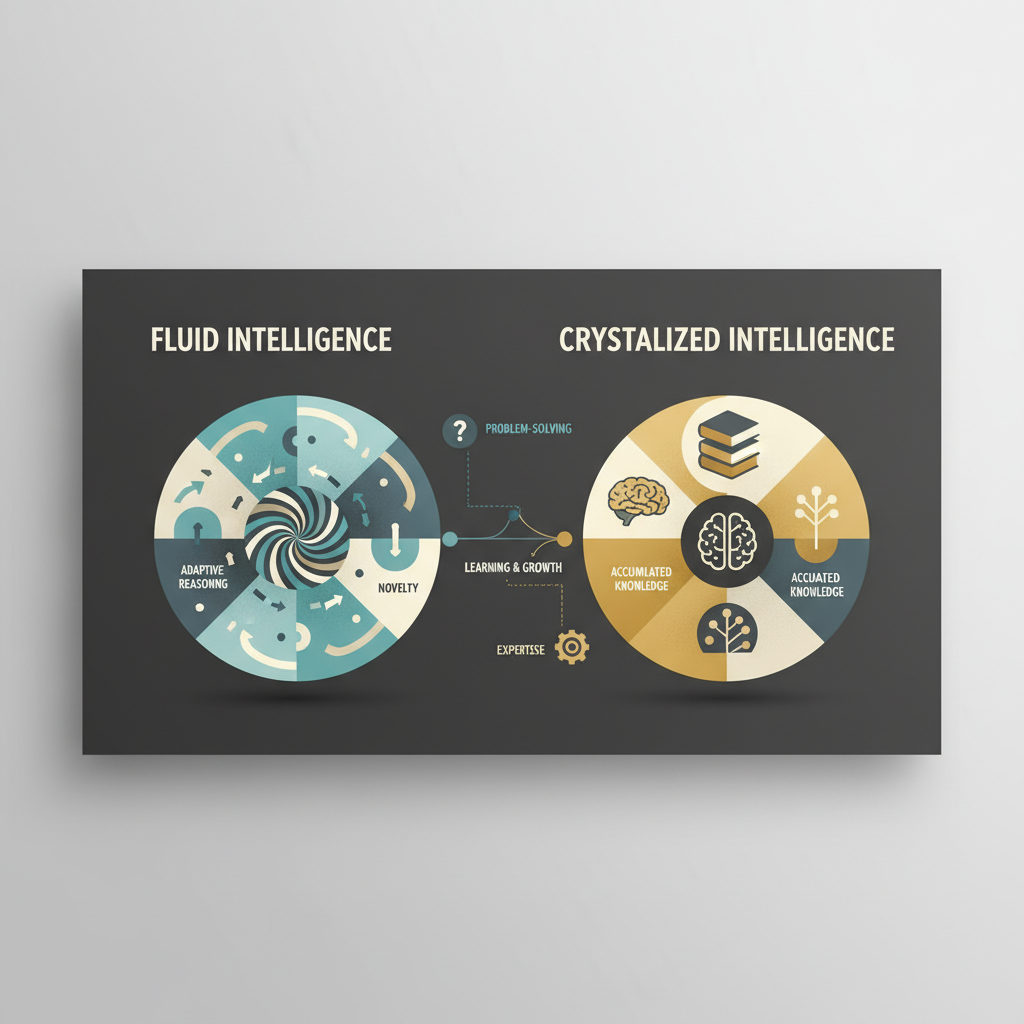
Imagine facing a problem you’ve never seen before. Your ability to solve it is called fluid intelligence. It’s how you reason, think flexibly, and handle new situations [2].
Think of it as your mind’s raw processing power. It doesn’t rely on past knowledge. Instead, it involves things like:
- Spotting patterns quickly.
- Solving abstract puzzles.
- Adapting to new situations.
- Thinking creatively under pressure.
Fluid intelligence is key for innovation. It helps you generate fresh ideas and connect things that seem unrelated. This skill is vital for creative thinking and greatly impacts your creative potential. Our Creative Ability Test helps you understand this core problem-solving strength and shows how mentally flexible you are.
Crystallized Intelligence: Using Your Library of Knowledge
Now, think about all the knowledge you’ve gained over time. Crystallized intelligence is your ability to use the facts, skills, and vocabulary you’ve learned. You build it up throughout your life.
You can think of it as your mental library. When you read, study, or practice, you add more to it. For example, remembering historical dates or using a math formula are both uses of crystallized intelligence. It relies on your education and past learning.
Key aspects of crystallized intelligence include:
- Vocabulary knowledge.
- General understanding.
- Applying learned skills.
- Remembering facts.
While different from fluid intelligence, it is just as important. It gives you a solid base of knowledge to build new ideas upon. Our Creative Ability Test insights can show you how you use what you know in creative ways.
Why Both are Essential for Your Personal Growth
Fluid and crystallized intelligence work together as a team. Neither is better than the other—they support each other to help you solve problems.
For example, imagine designing a new product. You use fluid intelligence to brainstorm new ideas. But you also need crystallized intelligence to remember what you know about materials or engineering. This helps make sure your ideas can actually work.
Here is how they work together:
- Solving Complex Problems: Fluid intelligence helps you understand new problems. Crystallized intelligence offers solutions based on what you already know.
- Boosting Creativity: Fluid intelligence makes new connections. Crystallized intelligence gives you a large pool of knowledge to connect.
- Personal Growth: Using both types helps you learn and grow throughout your life.
Understanding these two types of intelligence gives you useful insights. Our science-backed assessment helps you see how you use both. This knowledge allows you to create a plan to grow your skills and unlock your full creative and problem-solving potential. Start your journey of self-discovery today.
What Are Examples of Fluid Intelligence Test Questions?
Pattern Recognition & Series Completion
Fluid intelligence is your ability to find order in messy situations. Pattern recognition and series completion tasks are great examples of this. These questions test how well you can spot relationships and guess what comes next. You look for sequences in numbers, shapes, or figures.
You’re basically solving a puzzle with missing pieces. This process taps into your mental flexibility. It shows how quickly you can adapt your thinking to new rules or structures.
Example Question
Imagine a sequence like this:
- Triangle, Square, Pentagon, Hexagon, ?
Your job is to figure out the next shape in the series. In this case, each shape adds another side. So, the answer is a Heptagon. This kind of problem asks you to see a logical pattern, not just remember facts.
These exercises also boost your creative thinking. You think of many possibilities before finding the most logical one. Our Creative Ability Test helps you understand how you handle new challenges like these.
Matrix reasoning puzzles
Matrix reasoning puzzles are another common way to measure fluid intelligence. They usually show a grid of images or shapes with one piece missing. Your goal is to pick the correct missing piece from a list of options.
These puzzles are a respected part of cognitive assessments around the world [3]. They require strong logical thinking. You also have to see how things relate across both rows and columns at the same time.
Example Question
Imagine a 3×3 grid of shapes where each row and column follows a specific rule. Perhaps shapes rotate, change color, or combine. You have to find the missing shape that fits all the hidden rules.
These puzzles are all about abstract reasoning. You can’t use what you already know to solve them. Instead, you have to figure out the rules as you go. This skill is key for creative problem-solving in any field. It’s the foundation for how you handle complex, new situations.
Spatial Visualization Tasks
Finally, spatial visualization tasks test your ability to turn objects around in your mind. This includes picturing how shapes rotate, change, or fit together. It’s a key part of both fluid intelligence and creative thinking.
These skills are vital for fields like engineering, architecture, and design. However, they also play a role in everyday creative problem-solving. For example, picturing how to rearrange furniture uses this skill.
Example Question
You might see a 3D object and have to say what it looks like from a different angle. Or, you might see a flat pattern and need to picture the 3D shape it makes when folded. This tests your ability to rotate things in your head.
Improving this skill helps you picture solutions and new designs. The Creative Ability Test offers a look at your unique mental strengths, like spatial reasoning. It helps you see how you naturally solve problems that require you to picture things.
How Can You Approach a Fluid Intelligence Test Online?
Finding Reliable Assessments for Self-Discovery
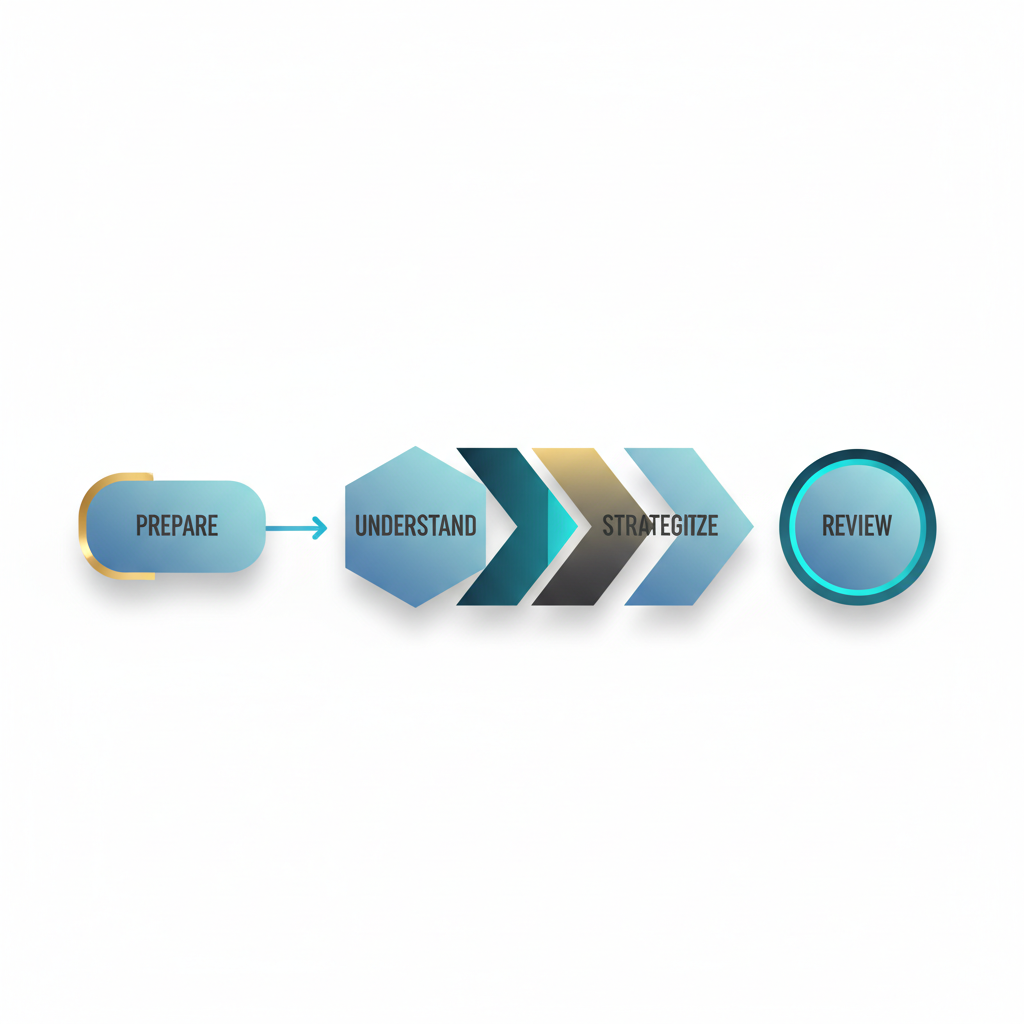
Taking a fluid intelligence test online is a great way to learn about yourself. But it’s important to choose the right one, as not all tests are the same.
For real insights into your problem-solving and creative skills, look for tests backed by science. Good tests are designed to be accurate (valid) and consistent (reliable) [4].
When looking for a fluid intelligence test, here’s what to check for:
- Scientific Foundation: Does the test explain how it was made? Look for tests based on solid cognitive psychology research.
- Clear Explanations: A good test should explain what fluid intelligence is. It should also connect it to skills like problem-solving, flexible thinking, and creativity.
- Non-Verbal Focus: These tests often use puzzles with shapes and patterns instead of words. This approach avoids language barriers and what you already know, so it can measure your core reasoning skills.
- Detailed Feedback: A good test gives you more than just a score. It should offer personal insights to help you understand your creative strengths and where you can improve, much like the feedback from platforms like Creative Ability Test.
- Transparent Design: Avoid short quizzes that don’t give any background information. Choose platforms that are open about why and how their test was designed.
A reliable test is like a mirror, showing your natural ability to solve new problems and think in new ways. It’s an investment in understanding how your mind works.
Tips for Taking the Test and What to Expect
Having the right mindset can improve your experience with a fluid intelligence test. These tests measure how flexibly you can think, not what you’ve already learned. Here’s how to prepare and what to expect:
- Create a Calm Environment: Find a quiet place where you won’t be distracted. This will help you focus on the new problems.
- Ensure Good Connectivity: A stable internet connection is important for a smooth test. Technical problems can break your focus.
- Read Instructions Carefully: Every test can have different rules. Take your time to understand what each type of question asks you to do.
- Manage Your Time Wisely: These tests are often timed. Watch the clock, but don’t feel rushed. Try to find a good balance between speed and careful thought.
- Embrace New Challenges: The questions are meant to be new to you. Don’t worry if a problem seems hard at first. The test is designed to measure how you figure out rules and solve new puzzles.
- Don’t Be Afraid to Guess (if no penalty): If you’re not sure and there’s no penalty for wrong answers, it’s often better to guess than to leave a question blank. Just be sure to check the rules first.
- Focus on Patterns: Many questions will ask you to find logical patterns, connections, or how shapes change. Look for the hidden rules or structures.
You can expect to see different types of questions, like finishing abstract patterns or solving matrix puzzles. Every question is a chance to use your thinking and problem-solving skills.
Interpreting Your Results for Actionable Insights
Getting your fluid intelligence test results is exciting. But the real value isn’t just the score—it’s how you understand and use it. This helps turn data into useful self-knowledge.
Your results will usually include a score that compares you to a larger group. It might be a percentile or a raw number. A higher score often means you are good at adapting, learning, and solving new problems. This is a great sign of creative potential.
Here’s how to use your results for personal and professional growth:
- Understand Your Strengths: Find the areas where you did very well. For example, if you were great at matrix puzzles, you probably have strong logic and pattern-finding skills. These are key skills for creative thinking.
- Find Opportunities for Growth: Notice which questions were harder for you. This isn’t a weakness—it’s a chance to improve. Think about which thinking skills you can practice to get better.
- Connect to Your Creativity: A high fluid intelligence score often means you are good at flexible, open-ended thinking. These are the building blocks of creativity. Your ability to find new connections and solve new problems is what powers your creative drive.
- Use Personalized Feedback: Some platforms, like Creative Ability Test, give you personalized feedback. This turns your scores into real-world advice. It helps you understand how you think and gives you clear steps to improve your creative skills.
- Apply What You’ve Learned: Use this new understanding in your daily life. When you know your strengths, you can use them more often. When you know where you can grow, you can work on developing new ways to solve problems.
- Keep Growing: Your score is just a snapshot in time, not permanent. See it as a starting point for getting better. Do things that challenge your brain, like learning a new skill or solving tough puzzles.
By understanding your results, you can turn uncertainty about your skills into a clear plan for growth. This helps you use your creativity in all parts of your life, both personally and professionally.
Frequently Asked Questions about Fluid Intelligence Tests
Can I take a fluid intelligence test for free online?
Yes, many websites offer free fluid intelligence tests. They can be a fun way to get a general sense of your problem-solving skills. However, it’s important to know what to expect from them.
Free online tests often lack the scientific backing and careful design of professional tests. This means their results can be less accurate, and you might not learn much from them. They usually don’t give you personal feedback or useful tips for improving.
For a more reliable way to measure your problem-solving skills and see how they connect to creativity, consider a science-backed test. Our Creative Ability Test gives you a deeper understanding of your skills. We provide a detailed analysis and personal tips to help you improve your unique creative strengths.
What is the difference between fluid and crystallized intelligence?
It’s key to understand the difference between fluid and crystallized intelligence. Both are important for problem-solving and creative thinking, but they are different types of thinking skills.
Fluid intelligence (Gf) is your ability to solve new problems. It’s about thinking logically when you face something new. This skill helps you spot patterns and handle new challenges. It doesn’t rely much on what you already know. For example, solving a puzzle you’ve never seen before uses your fluid intelligence [2].
Crystallized intelligence (Gc) is all the knowledge and skills you’ve gathered over time. It’s your ability to use what you’ve learned. This includes your vocabulary, facts you know, and your expertise in certain subjects. Remembering facts for a test or using past experience to solve a familiar problem are examples of crystallized intelligence [5].
Both types of intelligence are important for creativity. Fluid intelligence helps you come up with new ideas and solutions. Crystallized intelligence gives you the knowledge base to build on. It helps you connect what you already know in new ways.
Here is a quick overview of their key differences:
| Feature | Fluid Intelligence (Gf) | Crystallized Intelligence (Gc) |
|---|---|---|
| Definition | Solving new problems and adapting to new situations. | Using the knowledge, facts, and skills you’ve learned. |
| Cognitive Focus | Reasoning, spotting patterns, and using logic. | Remembering facts, vocabulary, and general knowledge. |
| Dependency | Doesn’t rely on past learning or experience. | Relies on your education and life experience. |
| Change Over Time | Often decreases after young adulthood. | Often increases or stays the same with age. |
| Role in Creativity | Helps create new solutions and think differently. | Offers a knowledge base for new ideas. |
Our Creative Ability Test helps you see how these thinking skills shape your unique creativity. We focus on improving both your ability to solve new problems and your skill at using the knowledge you already have.
Where can I find examples of fluid intelligence questions?
Fluid intelligence tests usually have questions that make you reason without using facts you’ve already learned. They test how well you can think on your feet. You can find many examples of these questions online and in test preparation resources.
Common types of fluid intelligence questions include:
- Pattern Recognition & Series Completion: These tasks show a series of numbers, letters, or shapes. You must figure out the pattern and guess what comes next. They test your ability to see logical connections.
- Matrix Reasoning Puzzles: Often seen in Raven’s Progressive Matrices, these show a grid of shapes with one piece missing. You need to find the pattern in the rows and columns to pick the correct missing piece. This tests your ability to reason with abstract ideas.
- Spatial Visualization Tasks: These questions ask you to picture 2D or 3D shapes in your mind. You might be asked to rotate shapes, find matching figures from different angles, or imagine how folded paper would look when opened. They test your ability to think about space and shapes.
- Analogical Reasoning: These questions ask you to find the connection between ideas or things. For example, “Bird is to air as fish is to ______.” This tests if you can see how things are similar and apply logic.
Looking at these examples can help you understand what fluid intelligence is. They show how you handle new problems. Our platform includes problem-solving exercises that are important for creativity. We help you turn these skills into practical steps for coming up with new ideas.
What does an imochA fluid intelligence test measure?
An imochA fluid intelligence test, like other trusted tests, measures your ability to reason and solve problems. It focuses on your natural thinking skills, including how well you can work with new information.
Specifically, imochA tests typically assess:
- Abstract Reasoning: Your ability to work with complex ideas without using words. This means solving problems that don’t rely on language or cultural knowledge.
- Pattern Recognition: Your skill at finding patterns and rules in a series of shapes or numbers. This is key to understanding new information.
- Logical Deduction: Your ability to reach a conclusion based on the information you have. This means using logic to figure things out.
- Adaptive Problem-Solving: How well you can change your way of thinking. This helps you solve new and unfamiliar problems.
These key skills are important for innovation and creative thinking. They show your ability to come up with new ideas and find solutions in surprising situations. Our Creative Ability Test offers a wider look at your skills, connecting these thinking abilities directly to your creative potential. We provide personal feedback and practical tips to help you use your fluid intelligence to grow personally and create new things at work.
Sources
- https://www.simplypsychology.org/fluid-crystallized-intelligence.html
- https://www.simplypsychology.org/fluid-and-crystallized-intelligence.html
- https://www.simplypsychology.org/fluid-intelligence-crystallized-intelligence.html
- https://www.apa.org/education-career/guide/science-psychology
- https://www.apa.org/pubs/glossary/crystallized-intelligence
Leave a Reply