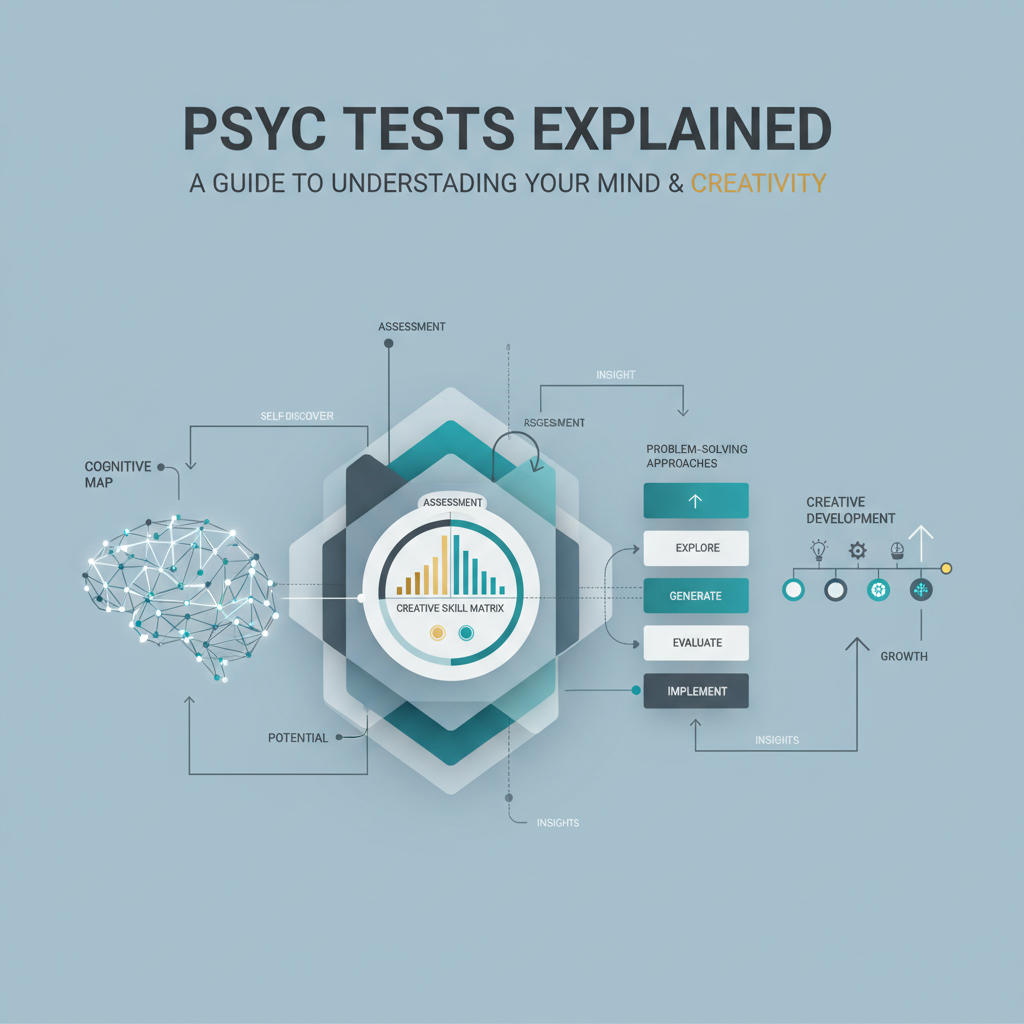
Psychological tests, or ‘psyc tests,’ are standardized methods designed to measure and understand aspects of human behavior, abilities, and personal traits. They range from clinical assessments for mental health to evaluations for cognitive skills like creative thinking. These tests provide structured, evidence-based insights into how individuals think, feel, and solve problems.
Have you ever wondered how your mind works or how you come up with new ideas? Many of us want to understand ourselves better to improve and reach our full potential. This search often leads us to psychological assessments, also known as psyc tests. These science-based tools are a great way to discover more about yourself and find ways to boost your creativity.
This article will explain psyc tests in simple terms, showing how they can highlight your creative strengths, thinking styles, and problem-solving skills. We’ll look at how these assessments are more than just quizzes. They offer insight into areas like cognitive flexibility, divergent thinking, and your openness to new experiences. Understanding these parts of your mind can change how you face challenges, spark new ideas in your career, and support your personal growth.
Join us as we explore what psyc tests are, how they work, and how they can help you unlock your full creative potential. We’ll also cover how to apply your new insights to real-world situations. First, let’s start with a basic understanding of these tests and what they measure.
What Are Psyc Tests and What Do They Measure?
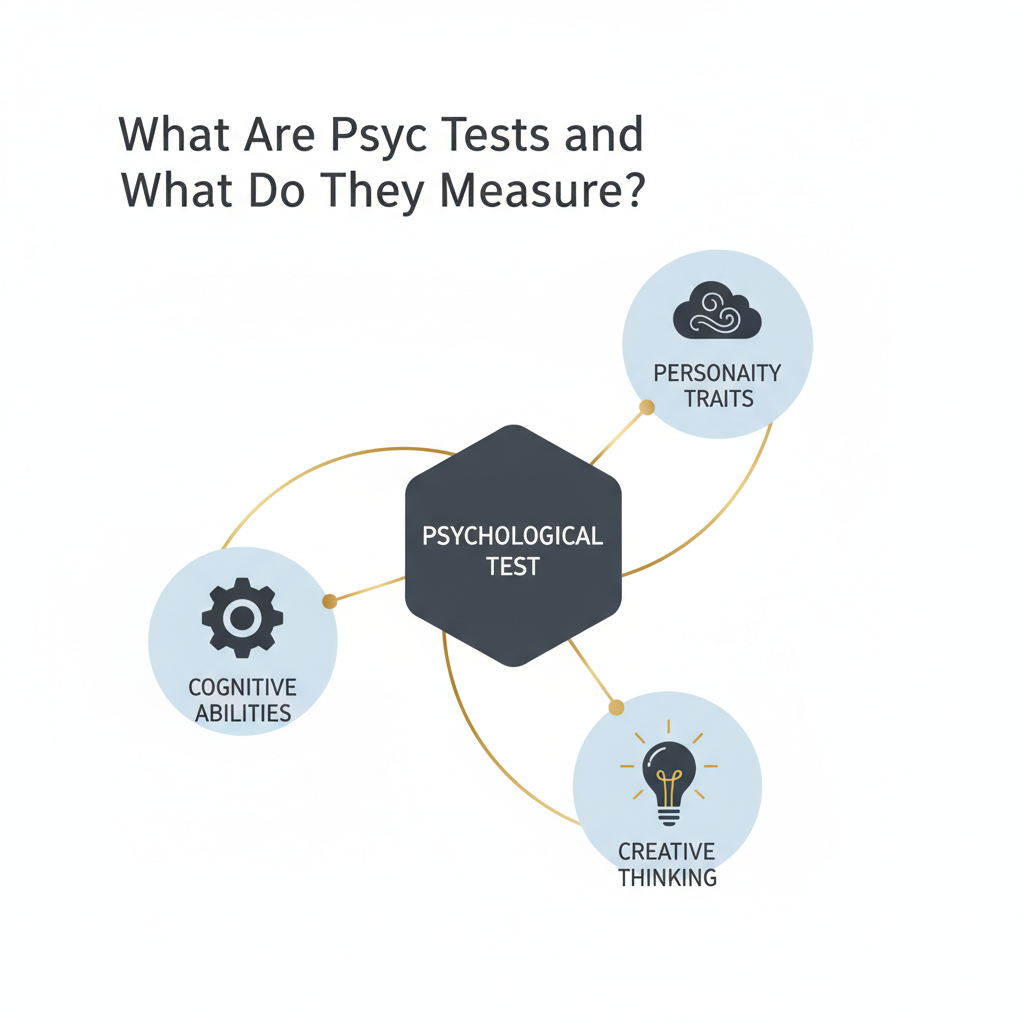
Beyond the Clinic: Using Tests for Personal Growth
When you think of psychological tests, you might picture a doctor’s office or a mental health evaluation. But they can be used for much more than that. In fact, they are powerful tools for self-discovery and personal growth.
Imagine understanding your mind in new ways. Psychological tests can highlight your mental strengths, uncover hidden talents, and clarify how you like to think. This knowledge helps you make better decisions about your learning, career, and personal life.
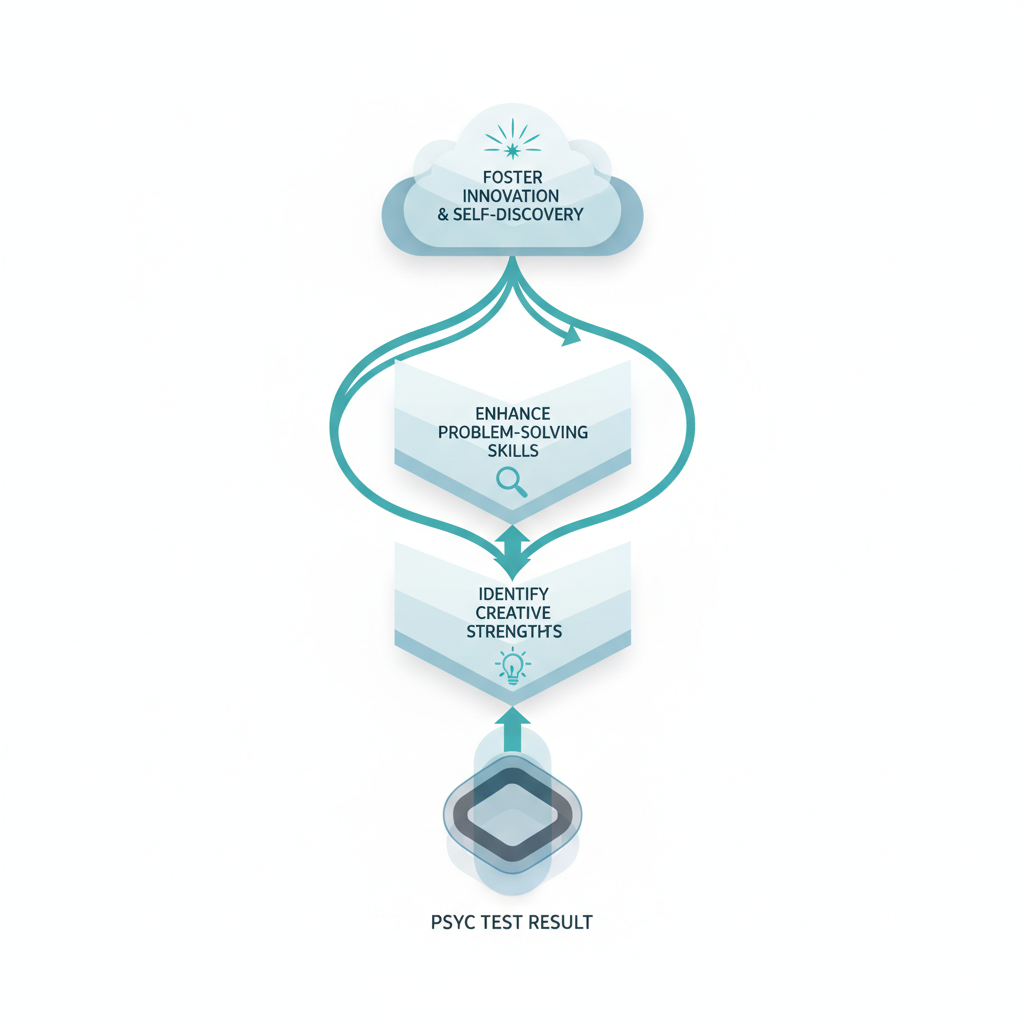
For instance, understanding your creative profile helps you:
- Identify your unique problem-solving approaches.
- Recognize areas where your creative thinking shines.
- Discover practical ways to enhance your innovation skills.
- Apply creativity to daily challenges and opportunities.
These tests act like a mirror to your inner world. They offer a look into your skills, motivations, and potential. This self-awareness is the first step toward meaningful growth and unlocking your full creative potential.
The Creative Ability Test, for example, focuses specifically on creativity. It helps you find your strengths in areas like cognitive flexibility and divergent thinking. This test guides you from being unsure to having clear, useful insights about yourself.
You move from wondering about your creative potential to actively developing it. This personal journey helps you build confidence and keep improving.
The Science Behind Psychological Assessments
Good psychological tests are based on solid science. They are not just fun quizzes—they are carefully designed tools. Experts create them to accurately measure specific mental traits.
Two key ideas support any reliable psychological test:
- Reliability: This means the test is consistent. A reliable test gives similar results if you take it multiple times under similar conditions. Think of it like a consistent measuring tape.
- Validity: This means the test is accurate. A valid test measures what it says it will. For example, a creativity test must truly measure creativity, not just general intelligence [1].
Creating these tests takes a lot of research. This includes statistical analysis and studies to prove they work. Researchers collect data from many different people to help improve the questions and scoring. As a result, the tests provide useful and correct information.
For Creativity assessments, scientists study different aspects of creativity. These include divergent thinking (the ability to come up with many ideas) and cognitive flexibility (the skill of switching perspectives). Innovation and being open to new experiences are also key parts.
The Creative Ability Test is built on this science. It uses a proven, evidence-based method. Its 30 questions are designed to give you strong, reliable insights. This scientific backing means your personal feedback is trustworthy and useful.
Understanding the science makes these tests more valuable. You can trust that the insights you receive are not random. They are backed by years of psychological research. This scientific strength makes your journey of personal development and creative growth even more powerful.
What Are the Main Types of Psychology Tests?
Personality tests
Personality tests help you understand your unique traits and preferences. They show how you tend to think, feel, and behave. These tests reveal key parts of your character, like how you interact with others and face challenges.
There are many types of personality tests. Two popular examples are the Myers-Briggs Type Indicator (MBTI) and the Big Five personality traits.
- Myers-Briggs Type Indicator (MBTI): This test sorts your preferences into four pairs of opposites: extraversion/introversion, sensing/intuition, thinking/feeling, and judging/perceiving. The MBTI suggests a personality ‘type’ with unique strengths and areas for growth [2].
- Big Five Personality Traits: This model measures five key areas of personality: Openness to Experience, Conscientiousness, Extraversion, Agreeableness, and Neuroticism (OCEAN). This model is widely used in scientific research and provides a solid way to understand individual differences.
Understanding your personality can affect your creativity. For example, people high in “Openness to Experience” are often more creative because they welcome new ideas. This self-awareness helps you grow and use your natural strengths.
Cognitive ability tests
Cognitive ability tests measure mental skills for learning, reasoning, and problem-solving. They don’t test what you know, but how you process information. These tests show your ability to learn and adapt.
Key areas measured by cognitive ability tests include:
- IQ (Intelligence Quotient) Tests: These evaluate general intelligence, including your reasoning, logic, and problem-solving skills.
- Memory Tests: These assess how well you recall information, both in the short term and long term.
- Problem-Solving Assessments: These measure how well you analyze complex situations and find good solutions.
Strong cognitive skills are important for creative thinking. They help you connect different ideas and overcome mental blocks. For example, a good memory helps you recall past solutions, while strong problem-solving skills can lead to new ideas. These tests help you find your mental strengths so you can learn to think more flexibly.
Mental Health Screenings and Assessments
Mental health screenings are important tools used by professionals to identify potential mental health concerns. They help diagnose conditions like anxiety or depression and guide treatment plans.
These assessments often use questionnaires or interviews to explore symptoms and emotional wellness. Their main goal is different from a creativity test. They are clinical tools for supporting mental health, not for creative self-improvement. Instead, they support your overall well-being, which is the foundation for any personal growth.
Aptitude and Career Tests
Aptitude tests measure your potential to do well in certain areas. They show your natural talents and can suggest good career paths. Instead of testing what you already know, they focus on what you could be good at. This helps you find where your natural strengths lie.
Examples of aptitudes include:
- Verbal Reasoning: The ability to understand and use language well.
- Numerical Reasoning: Skill with numbers and math concepts.
- Spatial Reasoning: The ability to imagine and move objects in your mind. This is crucial for design and engineering.
- Mechanical Reasoning: Understanding how physical objects and forces work.
These tests can guide your creative journey by helping you choose fields where you are likely to succeed. For example, strong spatial reasoning might mean you’d be good at creative design. High verbal skills could point to a talent for writing. These insights help you match your career to your natural strengths, making your work feel more meaningful.
Creativity Assessments
Creativity assessments are designed to measure your creative potential. They explore different sides of your imagination. Unlike traditional intelligence tests, they focus on how you come up with new ideas and solve problems in new ways.
Key aspects measured by creativity assessments include:
- Divergent Thinking: The ability to generate many different ideas or solutions for a single problem.
- Cognitive Flexibility: How easily you can switch your point of view and adapt to new information.
- Problem-Solving Skills: How well you handle and solve new problems using creative thinking.
- Openness to New Experiences: Being willing to try new things and consider unusual ideas.
Our Creative Ability Test is a 30-question assessment based on science. It gives you personalized insights into your creative strengths and thinking styles. For example, you might find you’re great at brainstorming or connecting different ideas. You’ll get practical tips you can use to improve your creative thinking every day. This helps you approach challenges with more confidence and new ideas.
Understanding your creative profile builds self-awareness, which leads to personal and professional growth. You’ll learn how to use your creativity for problem-solving and bringing new ideas to life. The Creative Ability Test gives clear explanations, making complex ideas easy to understand. It’s designed to help you unlock your full creative potential.
How Can a Psyc Test Help You Understand Your Creativity?
Measuring Divergent vs. Convergent Thinking
Creativity can seem like a mysterious quality. But special tests can offer clear insights. These tests show how you come up with and improve ideas. They shed light on your unique way of thinking.
A key part of creativity is using two different ways of thinking. First is divergent thinking. This is your ability to come up with many different ideas for a single problem. Think of a brainstorming session where you aim for lots of new ideas. For example, imagining all the possible uses for a brick is a great example of divergent thinking.
The second style is convergent thinking. This is how you narrow down your options to find the single best solution. After brainstorming, you analyze and evaluate your ideas. You logically choose the one that works best. Both divergent and convergent thinking are essential for solving problems creatively [3].
Tests like the Creative Ability Test are designed to measure these skills. They use specific tasks to see how you handle both types of thinking. As a result, you get a better sense of your natural style. You’ll find out if you’re better at coming up with new ideas or making existing ones better. Knowing this helps you use your strengths more effectively.
Identifying Your Unique Problem-Solving Style
Creativity isn’t just for art. It’s a powerful tool for facing any challenge. It’s important to know your own problem-solving style. Everyone approaches problems differently. Some people like a structured, logical approach. Others follow their gut and try new things. A creativity test can show you which approach you use most.
For example, you might be very analytical. You like to break problems down and look at each piece logically. On the other hand, you could be an intuitive thinker. You get solutions from sudden flashes of insight. Others are more experimental. They like to test different solutions to learn as they go. Each style has its own strengths.
A good assessment will show you these preferences. It highlights how you usually handle difficult problems. This insight is incredibly valuable. Knowing your unique style helps you in several ways:
- Use your strengths: You can apply your natural approach more effectively.
- See your blind spots: You become aware of areas where you might get stuck.
- Improve collaboration: You understand how your style works with others.
- Adjust your approach: You can consciously change your strategy for different problems.
In the end, knowing yourself better helps you solve problems with more confidence and success. It also helps you grow personally and professionally.
Gaining Actionable Insights for Innovation and Growth
Understanding your creative strengths is just the beginning. The real power comes from using what you learn. A well-designed creativity test does more than just put you in a box. It gives you practical advice you can use right away. These are real steps you can take to be more innovative and grow as a person.
Your report from the Creative Ability Test turns what you learn about yourself into real-world advice. It shows you how to use your unique creative style in everyday life. For example, if you are great at creating ideas but struggle to narrow them down, the report will offer specific tips. This could include new ways to evaluate ideas or make decisions. On the other hand, if you’re good at choosing the best option, you might get tips on how to brainstorm or think outside the box.
This personalized advice helps you to:
- Boost your creative output: Learn ways to come up with new ideas more often.
- Improve your ideas effectively: Build skills to judge and improve your ideas.
- Overcome creative blocks: Know what holds you back and learn how to get past it.
- Apply creativity to daily life: Use your creative thinking to solve everyday challenges.
- Be more innovative at work: Learn how to bring new ideas to your job and projects.
The Creative Ability Test provides more than just a score. It gives you a clear plan to build on your creative skills. It helps you go from knowing your strengths to actively growing them. This leads to ongoing growth, both at work and in your personal life.
Is a ‘Psych Evaluation Test Online Free’ Reliable?
Understanding the Limits of Free Quizzes
You’ve probably seen many free “psych evaluation tests” or quizzes online. While they promise quick insights, it’s best to be careful. Most of these quizzes are not based on real science.
Often, free quizzes are just for entertainment. They give you generic or very simple results. For example, they might tell you if you are “left-brained” or “right-brained.” However, this idea is a common myth about the brain [4]. Quizzes like these rarely offer real psychological insights.
Here’s why you should be wary of free online quizzes:
- Lack of Validation: Psychology experts don’t make or test them. So, the questions don’t really measure what they say they do.
- No Standardization: A good test gives everyone the same experience. Free quizzes don’t do this.
- Superficial Results: The feedback is too broad and general. It has little personal value and doesn’t offer useful advice.
- Entertainment Over Insight: Their main goal is to be fun, not to be an accurate psychological test. As a result, they can’t help you grow as a person.
- Potential for Misinformation: They can spread old or wrong ideas about psychology.
If you want to understand your own creativity, these quizzes are not very helpful. They can’t identify your unique creative strengths or show you how to improve. To get real insights, you need a better tool.
The Value of Scientifically Grounded Assessments
If you want real insights about your mind, choose a test built on science. Experts develop these tests. They go through careful testing to make sure they are reliable and accurate.
A good creativity test gives you more than just a score. It gives you a detailed map of how you think creatively. This map shows your unique thinking styles and your strengths in solving problems.
Key benefits of choosing a science-based assessment include:
- Accurate Measurement: These tests accurately measure different parts of creativity, like your ability to brainstorm ideas, think flexibly, and be open to new experiences.
- Personalized Insights: You get feedback that is specific to you, not just a general description.
- Actionable Strategies: The results include practical advice. These tips help you improve your creative skills in your daily life.
- Evidence-Based Foundation: These tests are based on solid psychological research. This means you can trust the results [1].
- Structured Growth: They help you understand your creative potential and turn that knowledge into action. This allows you to grow in a structured way, both personally and professionally.
The Creative Ability Test is a good example of this approach. Our 30-question test is based on science. It measures different parts of your creativity. You’ll get personal insights into your creative strengths. We also give you practical tips to help you use your creativity for new ideas and personal growth. This complete approach guides you on a path of self-discovery.
How Can You Start Exploring Your Creative Potential?
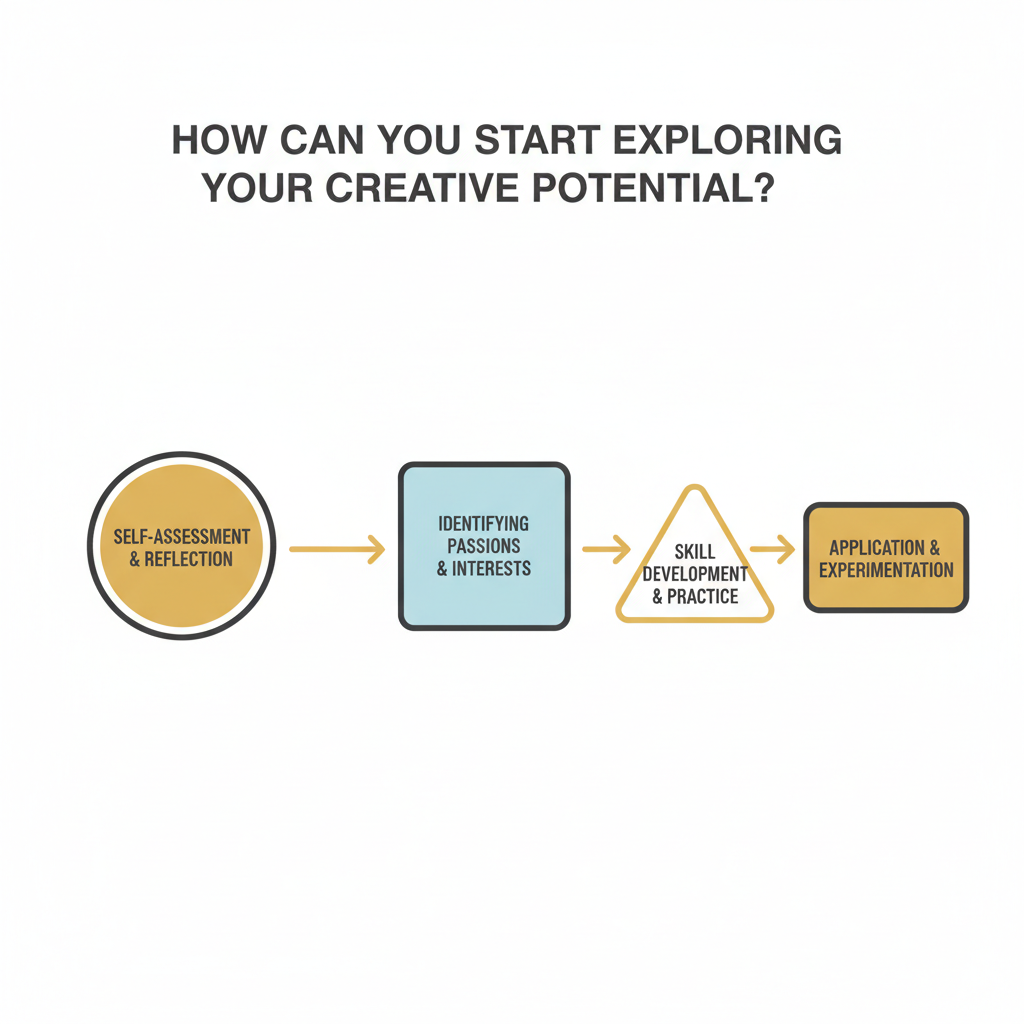
Discover the Creative Ability Test
Want to unlock your full creative potential? Many people wonder how to explore their creative skills. The Creative Ability Test offers a clear, science-based path to do just that. This unique test helps you find and understand your creative strengths.
It’s more than a basic quiz. Our platform gives you a detailed 30-question test. This test looks at different parts of your creativity. It measures your flexible thinking, problem-solving skills, and openness to new experiences. It also helps pinpoint your unique thinking styles.
Taking the Creative Ability Test is a big step in learning about yourself. It’s like a personal guide. You’ll get practical insights into how your mind creates new ideas. For example, you might find you’re good at divergent thinking—the skill of creating many ideas from a single point. Research shows that creativity is a key skill for success in today’s fast-changing world [5].
This test is perfect for anyone who wants to grow personally or improve at work. Start your journey today and understand the full range of your creative mind.
What You’ll Learn from Your Personalized Report
After you finish the test, you get a detailed personal report. This report is your guide to understanding your creative style. It helps you move from being unsure to clearly understanding yourself and how you create.
Your personal insights are more than just scores. They give clear explanations of your creative skills. You will understand your main thinking styles and how you handle new ideas and solve problems. For example, you might learn if you’re better at coming up with brand-new ideas or improving on existing ones.
The report focuses on how to use your creativity in the real world. It gives you tips to grow your creative skills and improve your creative thinking. It also offers advice for everyday situations, like solving problems at work or in your personal life.
Here’s what your personal report will help you do:
- Identify Your Creative Strengths: Discover your natural creative talents and build confidence in your abilities.
- Understand Your Thinking Style: Learn if you prefer divergent or convergent thinking, and how to use both well.
- Get Practical Tips: Receive tips matched to your profile that are designed to improve your creative skills.
- Solve Problems Creatively: Learn how to use your unique creative style to handle challenges at work or home.
- Grow Your Creativity: Get a clear plan for creative growth to help you be more consistently creative.
- Get Easy Explanations: Complex psychology ideas are made easy to understand, so your report is accessible to everyone.
This detailed report helps you grow. It turns a basic understanding of creativity into useful, personal insights. Start exploring and begin your creative journey today.
Frequently Asked Questions About Psyc Tests
What are some psychological testing examples?
Psychological tests are powerful tools that help us understand how people think, feel, and act. These tests are not just for clinical use; they also offer insights that can help you grow as a person.
Here are some common examples of psychological tests:
- Personality Assessments: These tests explore your patterns of thinking, feeling, and behaving. The Big Five Inventory, for example, measures traits like openness, conscientiousness, extraversion, agreeableness, and neuroticism [6]. Knowing your personality can show you how you handle challenges or work with others.
- Cognitive Ability Tests: These evaluate your mental skills, such as IQ, memory, attention, and problem-solving. They can highlight your core strengths, which are often the foundation for creative thinking.
- Aptitude and Career Tests: These help you find your natural talents and interests to guide you toward fitting school or work paths. Knowing what you’re good at helps you use your strengths.
- Mental Health Screenings: These tools help spot signs of mental health issues, which is important for your overall well-being. A healthy mind is key to being your most creative self.
- Creativity Assessments: Special tests are designed to measure different parts of creativity. Our Creative Ability Test is one example. It looks at your mental flexibility, ability to brainstorm, and openness to new things—all key parts of thinking in new ways.
Each type of test offers a unique way to look at yourself. This self-knowledge is the first step to improving and reaching your full potential.
What is the difference between a psychology test and a quiz?
People often use the words “test” and “quiz” to mean the same thing. But in psychology, they are very different. Knowing the difference helps you choose a tool that gives you trustworthy results.
A real psychological test is a scientific tool that has been carefully created and proven to work. A casual quiz, on the other hand, is usually just for fun. Here’s a comparison:
| Feature | Psychology Test | Casual Quiz |
|---|---|---|
| Purpose | To measure something specific, make a diagnosis, or provide insights for growth. | Entertainment, light self-reflection, or general interest. |
| Scientific Basis | Based on research, developed by experts, with standard rules for taking and scoring. | Often made without a scientific background; based on popular ideas. |
| Reliability | Gives consistent results over time, no matter who gives the test [7]. | Results can be inconsistent and are often based on opinion. |
| Validity | Accurately measures what it says it will measure [8]. | Often has no proof of accuracy; may not measure anything real. |
| Actionable Insights | Provides feedback based on data and real steps you can take to improve. | Offers general comments that are not specific to you or easy to act on. |
The Creative Ability Test is a true psychological assessment. It uses a proven, scientific method. This means you get accurate, personal, and useful results to help you understand and grow your creative skills.
Are there specific psychology tests for students?
Yes! Psychology tests are very helpful for students. They offer guidance for school and personal growth by helping them understand their strengths, learning styles, and possible career paths.
Here are ways psychology tests support students:
- Learning Style Assessments: These help students find their best way to learn, whether they are visual, auditory, or hands-on learners. Knowing this can improve study habits.
- Career Aptitude and Interest Tests: These tests match a student’s skills and passions with different jobs. This helps them choose a major and plan for a future career.
- Cognitive Skills Evaluation: Tests can find specific mental strengths or areas that need work. This helps students adjust how they learn and build confidence in tough subjects.
- Creativity Assessments: Creative thinking is a very important skill for students. Our Creative Ability Test helps students:
- Discover their unique creative strengths.
- Improve their problem-solving skills.
- Bring new ideas to their school projects.
- Prepare for future careers that require fresh ideas and the ability to adapt.
- Emotional Intelligence Tests: Understanding and managing emotions is a key life skill. These tests help students build better relationships and handle stress.
By using scientific tests like the Creative Ability Test, students get a clear picture of their abilities. They can create a real plan for improvement. This helps turn confusion into confidence and prepares them for a future where new ideas are important.
Sources
- https://www.apa.org/education-career/guide/science-psychology
- https://www.myersbriggs.org/
- https://psycnet.apa.org/record/1971-00827-001
- https://www.health.harvard.edu/blog/right-brainleft-brain-right-2017082512222
- https://hbr.org/2019/08/how-to-build-a-culture-of-creativity
- https://bigfivepersonalitytest.com/
- https://www.simplypsychology.org/reliability.html
- https://www.simplypsychology.org/validity.html
Leave a Reply