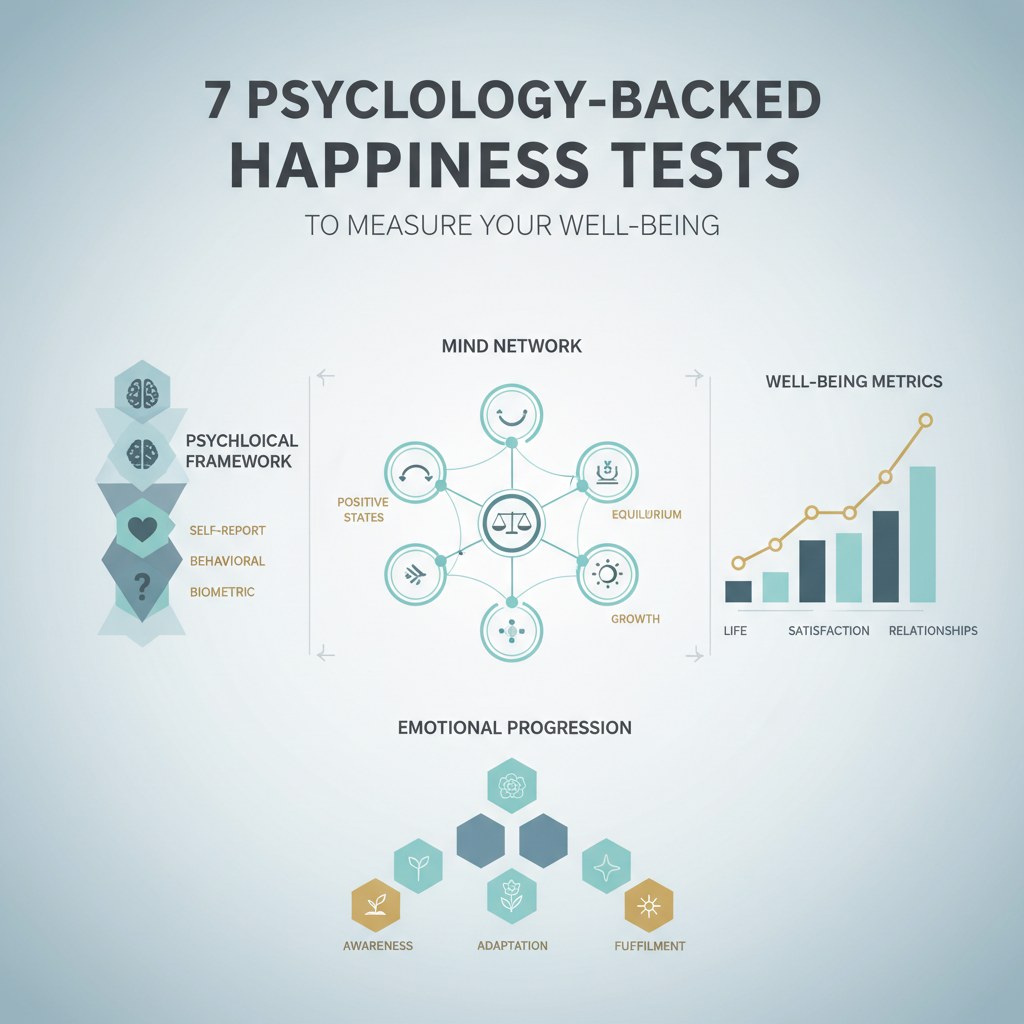
A happiness test in psychology is a scientifically designed questionnaire used to measure an individual’s subjective well-being, life satisfaction, and emotional state. These assessments provide structured, quantifiable insights into personal happiness based on established psychological theories and research, helping individuals understand their emotional landscape for personal growth.
Have you ever wished for a clear way to understand how happy you are with your life? In our busy world, it’s easy to focus on achievements and forget to check in on how we feel. But just like we track physical health, psychology offers proven tools to measure happiness. This isn’t about chasing quick moments of joy, but about gaining real, useful insights into your well-being.
This article will guide you through 7 respected, science-backed happiness tests. But why is this useful for creative people? Because a strong sense of happiness can unlock your creative potential. Well-being helps you stay open-minded, improves your cognitive flexibility, and builds the resilience you need for innovative thinking and problem-solving. Understanding your happiness is a direct path to personal growth and creativity.
Join us as we explore these illuminating assessments. We’ll provide clear explanations and show you how to interpret your results. You’ll see how understanding your happiness can improve your daily life and boost your ability to create and discover. Let’s begin by defining what a happiness test is and why its insights are so important for your growth.
What is a Happiness Test in Psychology and Why Does It Matter?
In psychology, a happiness test is more than a quick quiz. It’s a scientifically-backed assessment. These tools measure different parts of a person’s well-being. Psychologists use them to understand how people experience life. They help us see a person’s overall satisfaction, feelings, and sense of purpose [1].
Understanding your happiness is about more than just feeling good. It involves looking at how you think and feel about your life. These tests offer a clear way to measure those feelings. They also help you see patterns in your well-being, showing you where you are strong and where you might need support.
What Do Happiness Tests Measure?
These tests look at several parts of a fulfilling life. They give you a complete picture of your mental well-being. Specifically, they often explore:
- Life Satisfaction: Your general evaluation of your life as a whole.
- Positive Emotions: The frequency and intensity of joy, contentment, and gratitude.
- Negative Emotions: How often you experience sadness, anger, or anxiety.
- Sense of Purpose: Your feeling of meaning and direction in life.
- Engagement: How absorbed you are in activities you enjoy.
- Relationships: The quality of your social connections and support networks.
- Accomplishment: Your sense of achievement and mastery.
So, why measure happiness? These tests give you powerful self-awareness. They show you where your well-being is right now. This insight is a key first step toward personal growth, as it helps you see your strengths and areas for improvement. Much like knowing your creative strengths, understanding your happiness empowers you.
Understanding your happiness also helps your mind thrive. Positive well-being supports various cognitive functions, including those needed for creativity. When you feel good, your mind is often more open and flexible. This leads to better problem-solving and new ideas. In short, working on your happiness can also boost your creative potential.
These psychological tools are not about giving you a simple “happy” or “unhappy” label. Instead, they provide useful information. This data helps you think about your inner world. With these insights, you can take steps to improve your well-being. This journey is similar to the Creative Ability Test experience. Our platform offers clear, practical steps to help you move from assessment to better creative thinking and personal growth.
How Does Understanding Your Happiness Connect to Creativity?
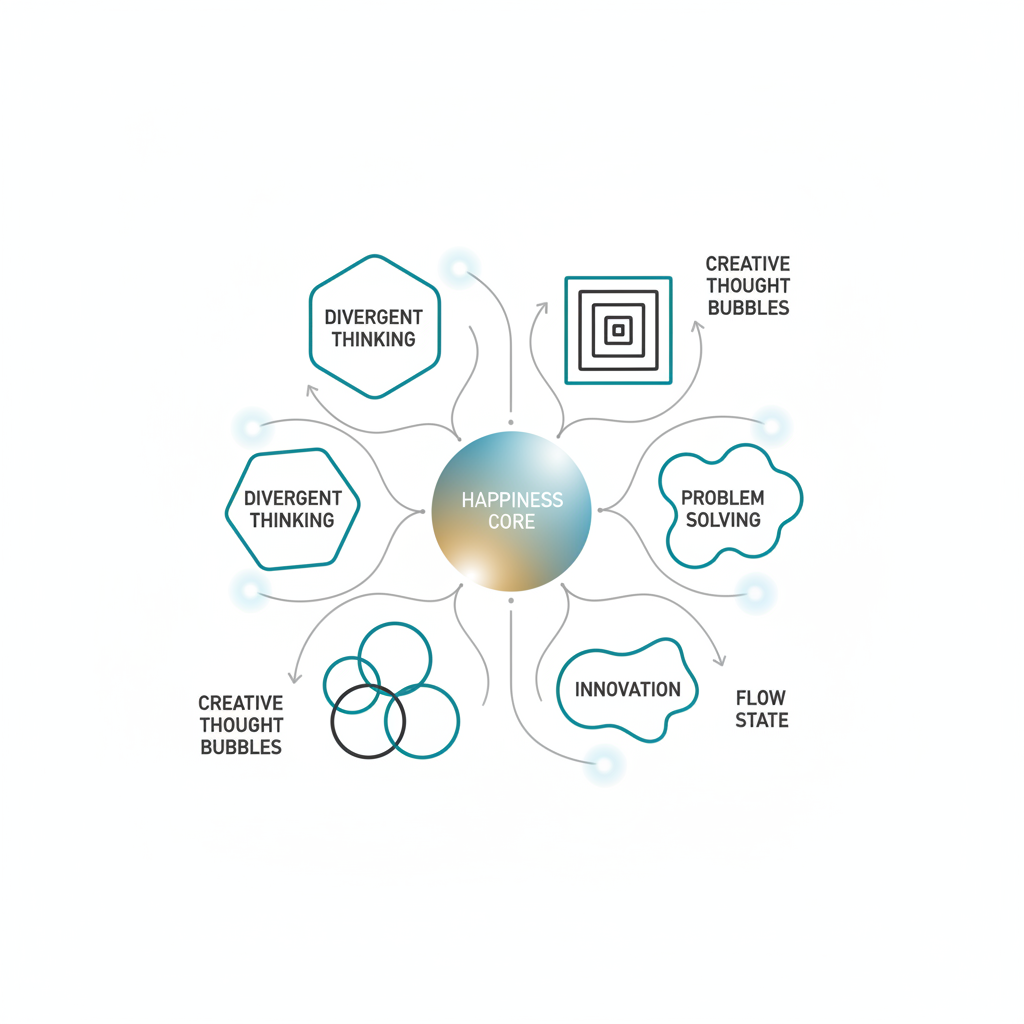
Many people think happiness and creativity are separate. But they are closely linked. Being in a good mood can boost your creativity. When you know what makes you happy, you tap into a powerful tool. This knowledge changes how you think and create. It also helps you get past creative hurdles. The connection is surprisingly clear.
Reducing Creative Blocks
Creative blocks can be very frustrating. They often come from stress or self-doubt. Knowing what makes you happy is a great way to fight them. When you feel happy, your brain works differently. It feels freer. This helps ideas flow more easily. A good mood reduces the fear of being judged. It also reduces performance anxiety.
Studies show that good feelings widen your focus [2]. This means you see more possibilities. You are less likely to get stuck on a single approach. As a result, it’s easier to find creative solutions. Finding what makes you happy helps create the right mindset. It gets your mind ready for creative work.
Here’s how happiness helps reduce creative blocks:
- Lowers Stress: A happy mind is a less stressed mind. This frees up your mental energy.
- Boosts Confidence: Feeling good about yourself reduces self-doubt. This makes it easier to take risks with your ideas.
- Increases Mental Flexibility: Good moods help you see things from different angles. This is key for creative thinking.
- Enhances Idea Flow: With fewer mental blocks, new ideas come more naturally.
Fostering an Open Mindset
An open mind is key to creativity. It means being curious and willing to explore. Happiness helps you stay in this state. When you’re happy, you’re more open to new things. You seek out new information and experiences. This adds to what you know and can do. You become more comfortable with uncertainty.
This openness helps you think more flexibly. This is the ability to change how you think about things. It also helps you see things from many points of view. People with higher well-being tend to be more open to new ideas [3]. They are more likely to question assumptions. This is a key part of new and creative thinking.
An open mindset, fueled by happiness, helps you to:
- Embrace Novelty: You are more willing to try new things, including new ways to solve problems.
- Connect Diverse Concepts: Happiness helps you see links between ideas that seem unrelated. This is key for creating something new.
- Learn Continuously: A happy state of mind encourages you to keep learning. New knowledge gives you more to be creative with.
- Accept Feedback: You are more open to helpful feedback. This helps you improve your creative work.
Building Resilience for Innovation
Innovation rarely happens on the first try. It takes persistence and the ability to bounce back. Creative work often has setbacks. There are failures and rejections. Your emotional health plays a big part in how well you bounce back. Happiness helps protect you from disappointment. It fuels your determination.
When you have a solid base of happiness, challenges feel less scary. You view them as learning opportunities. This viewpoint is key for long-term creative work. Studies show that good feelings build mental resources [4]. This includes resilience. As a result, you are more likely to stick with tough creative projects. You stay motivated even when you hit roadblocks.
Here’s how happiness builds resilience for your creative journey:
- Strengthens Coping Skills: A happier person is often better at handling stress.
- Maintains Motivation: Good feelings help you stay driven to finish projects and remain engaged.
- Encourages Risk-Taking: You feel more willing to experiment and take smart creative risks.
- Promotes Learning from Failure: You see setbacks as chances to grow, not reasons to quit.
Understanding and looking after your happiness is a powerful step. It doesn’t just make you feel better. It also directly boosts your ability to think in new ways and do creative problem-solving. This link gives you power. It gives you real ways to boost your creative potential. Discover your creative strengths with the Creative Ability Test. It offers personal insights to help you use these ideas in your own life.
The 7 Best Psychology-Based Happiness Tests You Should Know
Knowing how happy you are is a great tool for self-improvement. It helps you see your emotional and mental state more clearly. This isn’t just about feeling good—it’s key to unlocking your creativity. People who are happy tend to be more flexible thinkers and are more open to new ideas.
Here are seven key happiness tests based on psychology. Each one gives you a different way to look at your well-being. By using these tests, you can find areas where you can grow. They help you build a mindset that encourages new ideas and creative solutions.
The Satisfaction with Life Scale (SWLS)
The Satisfaction with Life Scale (SWLS) is a short, five-item test. It asks you to rate how much you agree with statements about your life satisfaction. This test helps you quickly measure how you judge your own life [5]. A higher score means you generally feel content with your life.
- What it measures: Your overall judgment of how satisfied you are with your life.
- Why it matters for creativity: A steady feeling of life satisfaction gives you a strong base. This frees up mental space, so you can focus on new ideas and creative thoughts.
- How it helps: When you know how content you are, you can find what adds to or takes away from your happiness. This is key to creating a good environment for your creative work.
The Scale of Positive and Negative Experience (SPANE)
The Scale of Positive and Negative Experience (SPANE) measures your emotional well-being. It looks at the balance of your positive and negative feelings over the last few weeks. This test gives you a more current view of your happiness [5]. It helps you understand your emotional patterns.
- What it measures: How often you experience different positive and negative feelings.
- Why it matters for creativity: A good balance of positive emotions helps you stay open to new things. This is important for thinking outside the box and finding creative ways to solve problems.
- How it helps: By watching your emotional balance, you can spot patterns. You can learn what boosts your good feelings and what helps you handle bad ones. This skill supports your creative flow and helps you bounce back from setbacks.
The Oxford Happiness Questionnaire (OHQ)
The Oxford Happiness Questionnaire (OHQ) measures happiness in a broad way. It looks at more than just satisfaction, including things like cheerfulness, contentment, and self-worth [6]. The OHQ gives you a fuller picture of your happiness.
- What it measures: Many sides of happiness, such as optimism, energy, and social life.
- Why it matters for creativity: A deep sense of happiness can make you more curious and motivated. It helps you take on tough problems with a good attitude, which is great for new ideas.
- How it helps: This test shows you which parts of your well-being you can improve. Making these areas stronger can help you focus better and solve problems in more creative ways.
The Authentic Happiness Inventory (AHI)
Dr. Martin Seligman, a leader in positive psychology, created the Authentic Happiness Inventory (AHI). This test looks at different sides of happiness, exploring things like pleasure, engagement, and meaning [7]. It helps you learn what truly makes you happy.
- What it measures: Your overall happiness, based on factors like joy, gratitude, and optimism.
- Why it matters for creativity: Knowing what truly makes you happy helps you make better choices. You can do more things that match your core values. When your actions match your values, you’re more likely to stay engaged and creative over the long run.
- How it helps: The AHI gives you a roadmap for a more fulfilling life. It encourages you to add activities that create engagement and meaning. These are powerful motivators for creative work.
The PERMA Profiler
The PERMA Profiler is another helpful tool from Dr. Seligman’s work. PERMA stands for Positive Emotion, Engagement, Relationships, Meaning, and Accomplishment. This test gives a complete picture of what it means to thrive [8]. It looks beyond simple happiness to measure your overall well-being.
- What it measures: Five core elements of well-being and a thriving life.
- Why it matters for creativity: Every part of PERMA supports a strong creative life. Positive emotions keep you open. Engagement helps you get in the zone. Good relationships offer support. Meaning gives you purpose. Accomplishment builds confidence. All are key for creating things consistently.
- How it helps: By seeing your strengths and weaknesses in each PERMA area, you can build a more balanced life. This well-rounded approach greatly improves your ability to think creatively.
The Subjective Happiness Scale (SHS)
The Subjective Happiness Scale (SHS) is a short, four-question test. It asks you to rate how happy you feel in general and compared to other people [9]. The SHS gives a general, personal measure of your own happiness. It’s simple and easy to use.
- What it measures: Your general, personal sense of being a happy person.
- Why it matters for creativity: A strong, natural sense of happiness can boost your creative confidence. It makes you less afraid of failure, which frees you up to experiment and try bold new ideas.
- How it helps: A high score suggests you have a naturally positive outlook. If your score is lower, it shows you a chance to look at what affects your basic level of happiness. Knowing this can be a powerful start to personal growth.
Ryff’s Psychological Well-Being Scales
Carol Ryff’s Psychological Well-Being Scales offer a view of happiness from many angles. These scales look at six key areas of living well [10]. They go beyond basic contentment to look at deeper parts of your mental health.
- What it measures:
- Self-Acceptance: Feeling positive about yourself and your past.
- Personal Growth: A sense of always developing and reaching your potential.
- Purpose in Life: Having goals and a sense of direction.
- Environmental Mastery: Feeling capable of managing your life and the world around you.
- Autonomy: Being independent and making your own choices.
- Positive Relations with Others: Having warm and trusting friendships.
- Why it matters for creativity: Each of these areas helps build a strong creative self. Self-acceptance lets you take risks. Personal growth pushes you to learn. Purpose guides you. Mastery helps with problem-solving. Autonomy encourages original ideas. Good relationships offer support.
- How it helps: This complete guide helps you build up specific strengths. This directly supports your ability to find creative solutions and lead a fulfilling, innovative life.
How Can You Use Your Happiness Test Results for Personal Growth?
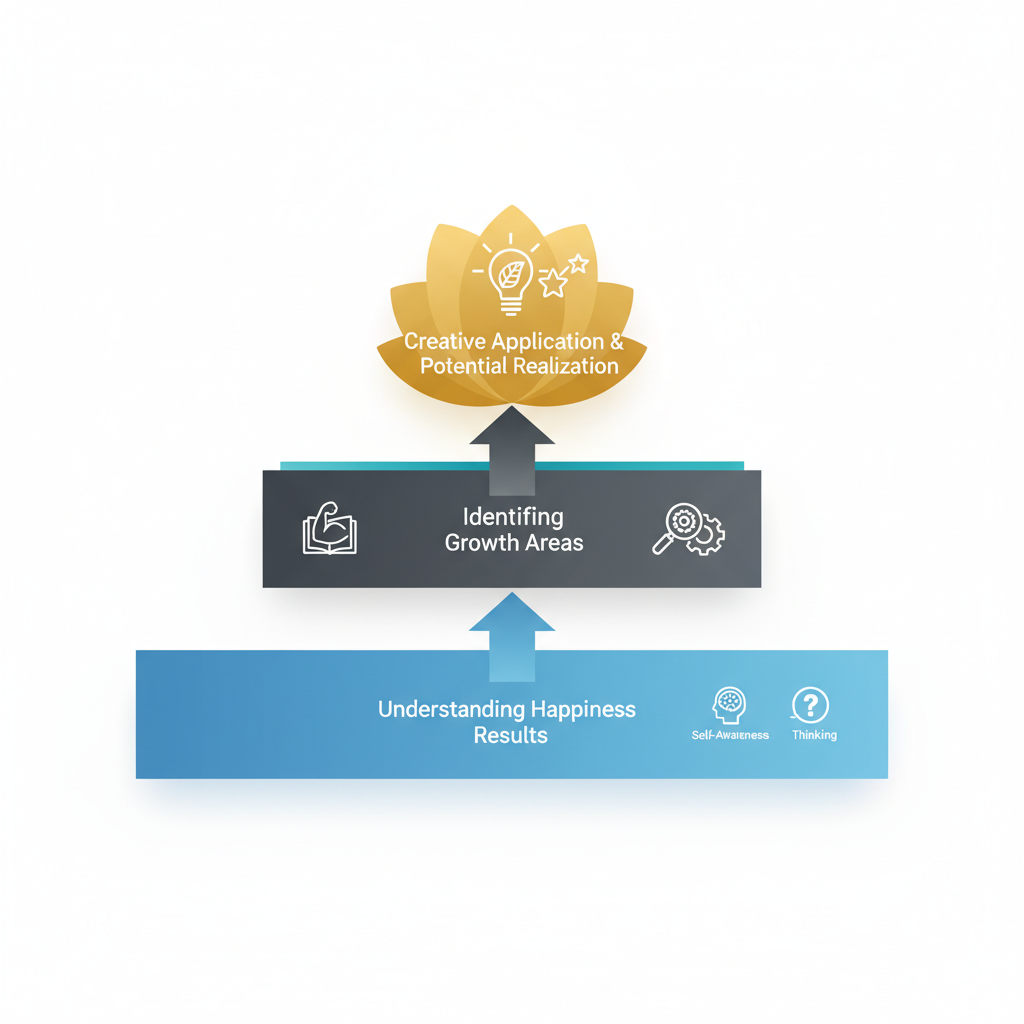
Understanding your happiness test results helps you grow as a person. You can move from just feeling emotions to taking charge of your well-being. This awareness also boosts your creativity and problem-solving skills.
Your scores give you a quick look at your emotional balance right now. This helps you see where you can improve. As you work on these areas, you can build lasting happiness and become more creative.
Understand Your Emotional Landscape
First, look at your scores from tests like the Satisfaction with Life Scale or the PERMA Profiler. These results show how satisfied you are with your life. They also point to different parts of your well-being. For example, a low “Engagement” score might mean you need more activities that you can get lost in. These kinds of activities are often a great source of creative ideas.
- Identify Strengths: See what parts of your life are making you happy.
- Pinpoint Weaknesses: Find areas where you might be struggling, like with relationships or finding purpose.
- Track Progress: Use your scores as a starting point. Check them again later to see how your hard work is paying off.
Fuel Your Creative Mindset
Happiness and creativity are closely linked. When you feel positive, your mind becomes more flexible. This helps you think in new ways. So, boosting your happiness is a great way to support your creative work.
When you feel good, your brain is more open to new ideas. You’re more willing to take risks and face challenges with a positive attitude. This mindset is key for new ideas and solving problems. Research shows a strong link between a positive mood and being more creative [11].
Actionable Steps for Growth
Your happiness test results are more than just numbers. They are a guide for what to do next. Use them to create a personal plan to improve your well-being and boost your creativity.
- Try Mindfulness: If your results show a lot of negative emotions, try mindfulness. It can calm your mind and make room for new ideas. Being mindful also makes you more open to new experiences, which is a key part of creativity [12].
- Build Positive Relationships: If you have a low “Relationships” score, try to connect with others more. Strong relationships give you support and offer new points of view that can spark creative ideas.
- Set Meaningful Goals: If your “Meaning” or “Achievement” scores are low, set small goals you can reach. Make sure they line up with your values. Reaching these goals builds confidence and helps you stick with your creative projects.
- Find Your Flow: Look for activities that you get completely lost in. This is often called a “flow state.” It feels great and improves your focus, which is essential for deep creative work. Try things like sketching, writing, or playing music.
- Practice Self-Compassion: Being hard on yourself can hurt your happiness and creativity. Learn to be kind to yourself. This helps you become more resilient and bounce back faster from creative challenges.
- Try New Things: Make a habit of trying new things and exploring your interests. This keeps your brain active and gives you more knowledge to draw from for creative ideas.
Connect Happiness and Creativity
As you start working on your happiness, you’ll notice changes. You might feel more confident or find yourself thinking in new ways. This is a great time to use a tool like the Creative Ability Test.
The Creative Ability Test can help you understand your creative strengths. It measures how flexible your thinking is, your problem-solving skills, and your openness to new ideas. When you combine the results from your happiness and creative tests, you get a complete picture. You can see how your emotional well-being helps your creativity. This approach gives you clear steps to unlock your full potential, both for personal happiness and better creative work.
Ready to Discover Your Full Potential? Try the Creative Ability Test
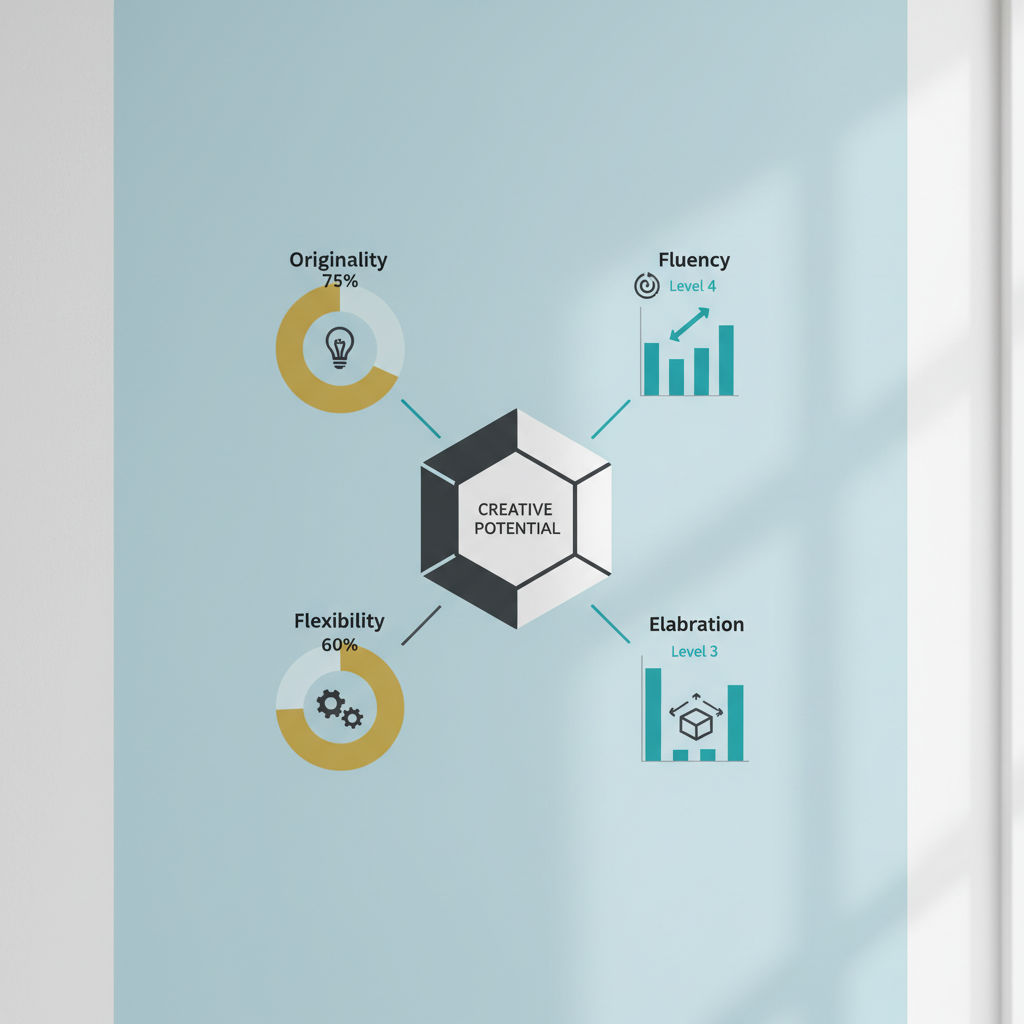
Knowing what makes you happy is a great start to a fulfilling life. But true self-discovery goes deeper. It means unlocking your mind’s unique abilities, and your creative potential is a big part of that journey.
Creativity is not just for artists. It’s how you approach challenges and solve problems. These skills are key for personal growth and success at work. In fact, a strong sense of well-being is often linked with being more open to new ideas and creative thinking [13].
Go Beyond Well-Being: Explore Your Creative Mind
You’ve taken steps to understand your happiness. Now, consider measuring your natural creative strengths. The Creative Ability Test is designed for exactly that. It helps you see the specific ways your mind creates and innovates.
This 30-question, science-backed test gives you a complete look at your creative profile. It explores different sides of your creativity so you can get a clear picture of your thinking styles. This test highlights your natural talents.
Specifically, the Creative Ability Test measures key areas:
- Cognitive Flexibility: How easily you switch between different ideas and adapt to new information.
- Divergent Thinking: Your skill for coming up with many unique ideas. This is key for brainstorming and innovation.
- Problem-Solving Skills: How well you handle tough problems and find new solutions.
- Openness to New Experiences: How willing you are to explore new ideas and concepts, which fuels curiosity.
- Originality: How unique and new your ideas are, showing your ability to see things differently.
Unlock Actionable Insights for Growth
The test gives you personal feedback with clear explanations of your creative traits. You’ll understand your strengths and see where you can improve.
You will receive practical tips tailored to boost your creative thinking. Learn how to use your creativity in everyday life. These insights can help you grow personally and speed up your progress at work.
Our platform offers more than a score. It gives you a guide to growing your creative talent. We make complex psychological ideas easy to understand. This empowers you to use your natural abilities and reach your full potential.
Ready to Embrace Your Creative Journey?
Understanding your creativity helps you know yourself better. It builds confidence and gives you powerful tools to innovate. Take the next step in your personal and professional growth. Discover the unique ways you can make a difference in the world.
Start your creative journey today. Try the Creative Ability Test. Turn uncertainty into useful self-knowledge and get the insights you need to thrive.
Frequently Asked Questions
What questions are on a happiness test in psychology?
Happiness tests in psychology are often questionnaires you fill out yourself. They ask about your feelings, thoughts, and how satisfied you are with your life. The questions measure different parts of your well-being.
Common themes include:
- Satisfaction with Life: Questions like, “In most ways my life is close to my ideal.” or “The conditions of my life are excellent.”
- Emotional Balance: You might be asked how often you feel positive emotions (like joy or peace) compared to negative ones (like sadness or anger).
- Purpose and Meaning: Some tests ask if you feel your life has a purpose or direction.
- Engagement: This covers how absorbed you feel in activities you enjoy.
- Relationships: Questions may ask about the quality of your friendships and social support.
Learning about these areas helps you understand yourself. This is key for having an open mind, which helps with creative thinking. For example, the Satisfaction with Life Scale (SWLS) has five statements that you rate [14].
Where can I find a free happiness test online?
You can find many free happiness tests online from trusted sources. Universities, research centers, and wellness sites often have them. These tools are a great way to start thinking about your own happiness.
Some free tests are backed by science, while others are less reliable. It’s best to use them with a curious mind. Focus on what you can learn, not on getting a final diagnosis. They can make you more curious about yourself. This curiosity is great for creative thinking.
Try looking for tests from universities or colleges. They are often easy to use and backed by research.
What is the Happiness Scale Questionnaire?
The “Happiness Scale Questionnaire” is a general term for tools that measure happiness. It can also refer to specific tests, like the Subjective Happiness Scale (SHS). The SHS is a common test used in psychology.
This scale asks you to rate your happiness using numbers. It looks at how happy you feel overall and how you compare to others. For example, you might rate your general happiness. You might also rate how happy you are compared to other people. It’s a quick and useful way to check your happiness.
Your score can give you a starting point for personal growth. A positive outlook is often tied to higher happiness scores. This can help you solve problems creatively and bounce back from challenges.
Is there a simple happiness test?
Yes, there are many simple happiness tests. They are made for a quick check-in with yourself. They usually have a few simple questions or rating scales. The goal is to give you fast feedback on how you’re feeling.
For example, a simple test might ask you to rate your happiness from 1 to 10. Another might give you a few statements about joy or satisfaction. You then say how much you agree or disagree.
These shorter tests are great for a quick check-in. They can be a good first step to learning about yourself. Just thinking about your happiness can help you see how your mood affects your daily life and creative work. Knowing yourself is key to boosting your creativity.
Sources
- https://positivepsychology.com/happiness-tests-scales-questionnaires/
- https://psycnet.apa.org/record/2000-03833-001
- https://journals.sagepub.com/doi/abs/10.1177/0146167208320013
- https://psycnet.apa.org/doiLanding?doi=10.1037%2F0003-066X.56.3.218
- https://eddiener.com/scales/7
- https://www.authentichappiness.sas.upenn.edu/questionnaires/oxford-happiness-questionnaire
- https://www.authentichappiness.sas.upenn.edu/questionnaires/authentic-happiness-inventory
- https://www.authentichappiness.sas.upenn.edu/questionnaires/perma-profiler
- https://sonjalyubomirsky.com/wp-content/themes/sonjalyubomirsky/pdfs/shs.pdf
- https://www.midus.wisc.edu/pages/datasheets/ryff.pdf
- https://psycnet.apa.org/record/2007-06899-007
- https://greatergood.berkeley.edu/topic/mindfulness/definition
- https://psycnet.apa.org/record/2012-07755-001
- https://psychology.okstate.edu/faculty/pmikol/swls.html
Leave a Reply